Turkish Pop Star Hande Yener Under Investigation for “Targeting Constitutional Order”
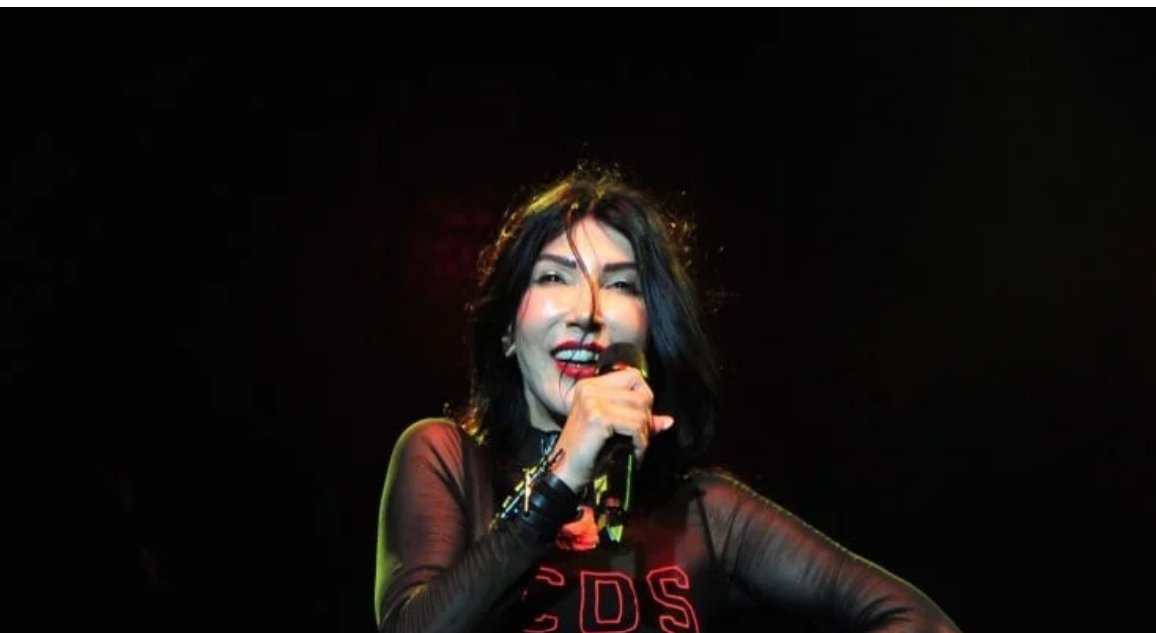 hande yener
The Turkish judiciary has launched a formal investigation into pop music icon Hande Yener following a complaint filed with the Presidential Communications Center (CİMER). The investigation, which has moved through multiple jurisdictions from Bodrum to Istanbul and finally to Muğla, accuses the singer of “targeting the constitutional order,” “insulting the President,” and “actions to overthrow the government.”
The Allegations: A Slogan and a Speech
The complaint, filed by an individual identified as M.A.Y., centers on a concert Yener performed in Muğla on May 15, 2025. According to the whistleblower, the audience chanted the slogan “Those who don’t jump are supporters of Tayyip” (a reference to President Recep Tayyip Erdoğan), and Yener allegedly accompanied the chant with a rhythmic beat.
The complainant further alleged that Yener made a direct call to overthrow the government by stating on stage, “We will overthrow this era/regime very beautifully.” Following the police report in Bodrum, the file was transferred to the Muğla Chief Public Prosecutor’s Office, which has now officially initiated the probe.
What the Recording Reveals
Despite the heavy legal terminology used in the complaint, social media footage (X/Twitter) of the event provides context to the singer’s words. In a 70-second clip, Yener is heard addressing the crowd:
“With our love, power, energy, and will, we will overthrow this era very beautifully. Our youth today; their enthusiasm, their love for the country, their honesty, sincerity, and reality—is it possible not to see or feel this? You have thrown us all into the air, young people; we bow before you, we thank you. May our existence be a gift to the Turkish existence. Yes, yes, it has happened already.”
While the complainant views “overthrowing the era” as a call for a coup, supporters of the artist argue the statement is a common metaphor for cultural and social change driven by the younger generation.
Who is Hande Yener?
Hande Yener is one of Turkey’s most influential and commercially successful pop stars of the last two decades. Rising to fame in the early 2000s under the mentorship of Sezen Aksu, she revolutionized the Turkish music scene by blending traditional pop with electronic and dance music.
Known for her frequent image changes and “Madonna-esque” reinventions, Yener has sold millions of albums and earned numerous awards. Beyond her music, she has often been a figure of cultural significance, championing LGBTQ+ rights and female empowerment, which has occasionally placed her at odds with more conservative segments of Turkish society.
A Pattern of Prosecution: Artists in the Crosshairs
Hande Yener is far from the first performer to face the scrutiny of the Turkish judicial system for political or social expressions. The Turkish judiciary has a long history of investigating artists whose performances or social media posts are deemed “provocative” or “insulting” to state officials.
-
Gülşen: Perhaps the most famous recent example, pop singer Gülşen was arrested and jailed in 2022 over a joke made on stage about “Imam Hatip” (religious) schools. She was charged with “inciting hatred and enmity.”
-
Sezen Aksu: The “Minik Serçe” (Little Sparrow) of Turkey faced threats of legal action and public protests in early 2022 after a song she wrote years prior was interpreted by some as insulting to religious figures.
-
Ezhel: The prominent rapper was arrested in 2018 on charges of “encouraging drug use” in his lyrics, a case that many international observers viewed as a thinly veiled attempt to silence a voice critical of the status quo.
-
Merve Dizdar: Even internationally acclaimed actors are not exempt; after winning Best Actress at Cannes in 2023, Dizdar faced a smear campaign and calls for investigation by government officials over her acceptance speech regarding the struggles of women in Turkey.
The Stifling of the Stage
Legal experts and human rights advocates argue that using CİMER as a tool for “citizen-led” censorship has created a climate of self-censorship among performers. When metaphors used on stage are treated as “crimes against the constitutional order,” the boundary between art and political activism becomes a legal minefield. As Muğla prosecutors proceed with Yener’s file, the Turkish music industry watches closely to see if “overthrowing an era” will be legally equated to “overthrowing a government.”
Related articles

Court Dismisses CHP Congress Lawsuit: “No Grounds for Judgment”

All Hail the Sultan: Turkish Citizen Sentenced to 10 Months in Prison After Filing Complaint Against Erdoğan
Turkish court arrests woman for ‘Insulting the President’ in street interview