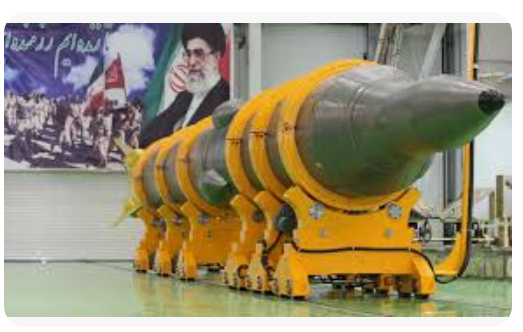
U.S. Lawmaker Defends Türkiye Ties Amid Debate Over Ankara’s Role in Middle East Tensions
 anna paulina
U.S. Representative Anna Paulina Luna pushed back against claims circulating in some American policy circles that Türkiye could become the “new Iran” in the Middle East. Her remarks sparked a heated debate among conservative commentators, highlighting divisions in Washington over how to manage relations with Ankara as regional tensions escalate following the U.S.–Israel war against Iran.
Republican Lawmaker Rejects “New Iran” Narrative
Republican Representative Anna Paulina Luna of Florida publicly defended Türkiye–U.S. relations, rejecting arguments that portray Ankara as a strategic threat comparable to Iran.
Writing on the social media platform X, Luna stated:
“Turkey is NOT the ‘New Iran’ and we will continue to foster our relationship with them.”
Her comments came in response to a warning issued earlier this year by former Israeli Prime Minister Naftali Bennett, who suggested that Türkiye could emerge as a regional power filling a vacuum if Iran’s regime weakens.
Luna’s post attracted significant attention online, reportedly receiving more than 1.5 million views.
WSJ Commentary Argues U.S. and Israel Should “Keep Türkiye in Check” After Iran
Debate Divides U.S. Conservative Circles
The statement quickly triggered criticism from some conservative commentators in the United States.
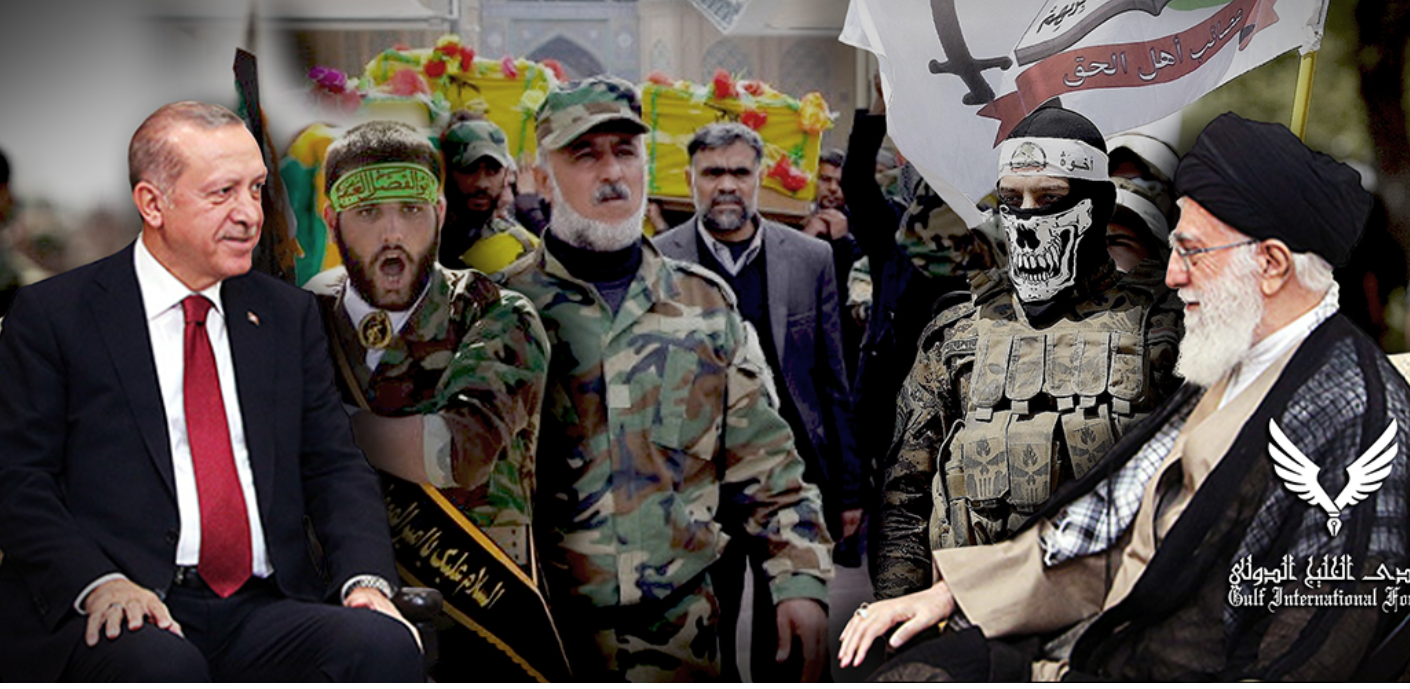
Among the most vocal critics was political activist Laura Loomer, who questioned Washington’s continued defense cooperation with Türkiye. Critics cited Turkish President Recep Tayyip Erdoğan’s past rhetoric toward Israel and alleged sympathies toward Iran as reasons to reassess military cooperation.
Others, however, defended maintaining strong ties with Ankara, emphasizing Türkiye’s importance within the NATO alliance and its strategic role in the region.
Analysts noted that Türkiye hosts the Incirlik Air Base, where U.S. forces are stationed, and plays a critical role in NATO’s southern defense architecture.
Washington and Ankara are also engaged in ongoing discussions over F-16 fighter jet sales and upgrades, a key element of bilateral military cooperation.
Policy Debate Intensifies After Iran War
The controversy comes as tensions rise following the U.S. and Israeli military campaign against Iran, which has dramatically escalated regional instability.
In Washington policy circles, some analysts have warned that the collapse or weakening of Iran’s regime could create a power vacuum across the Middle East.
An opinion article in the Wall Street Journal recently argued that the United States and Israel should ensure that Türkiye does not replace Iran as the dominant regional power — a view echoed by several hawkish commentators but not representing official U.S. policy.
Luna’s comments appear aimed at countering those arguments and reinforcing the importance of maintaining a working relationship with Ankara.
Türkiye Concerned About Regional Fallout
While tensions between Iran and Western powers intensify, Türkiye has sought to maintain a cautious diplomatic balance.
President Recep Tayyip Erdoğan has increased diplomatic contacts in an effort to reduce tensions and prevent the conflict from expanding further across the region.
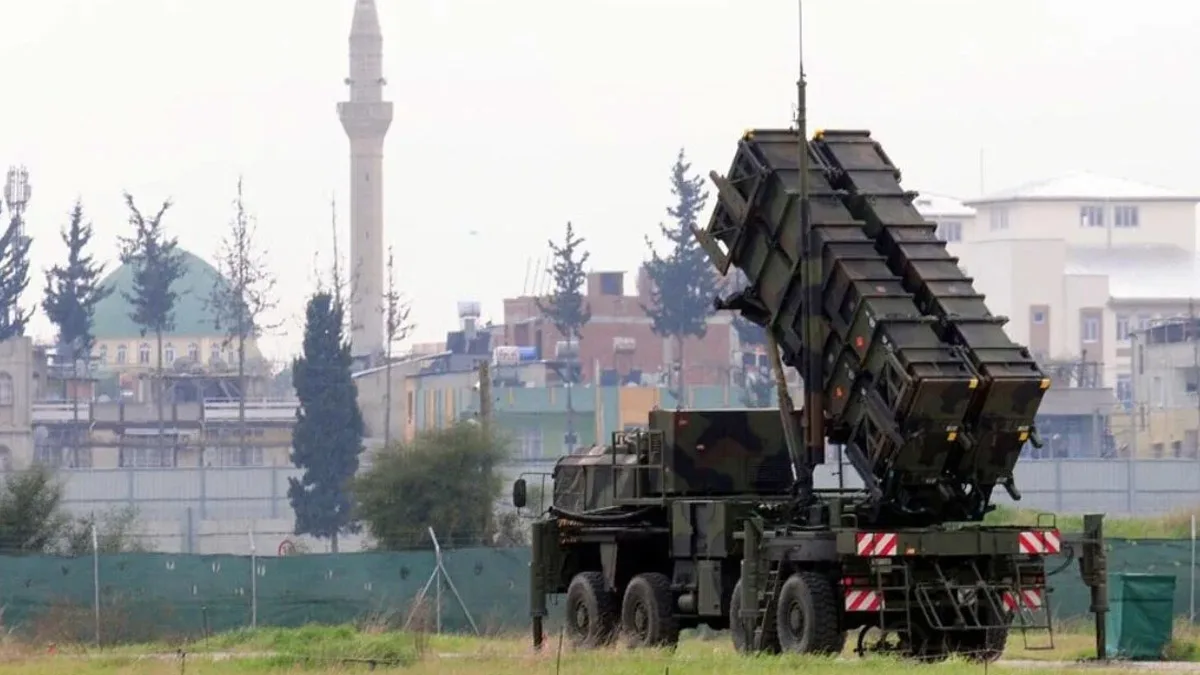
Recent developments have heightened Turkish concerns after a ballistic missile fired from Iran was intercepted by NATO defenses while heading toward Türkiye’s Hatay province, near the Incirlik base.
Although Iranian officials denied responsibility, the incident underscored the risks of the expanding conflict.
Refugee and Security Risks
Another major concern for Ankara is the potential for a large refugee wave from Iran.
Türkiye already hosts more than three million Syrian refugees, along with hundreds of thousands from Iraq and Afghanistan.
Experts warn that if political instability deepens in Iran, which has a population of roughly 93 million people, the resulting migration pressures could be far greater than those triggered by the Syrian civil war.
Turkish authorities have strengthened border security along the 540-kilometer frontier with Iran, including a reinforced wall and surveillance systems.
Reports suggest Turkish officials have also discussed contingency plans in case of a major refugee influx.
Economic Risks From Rising Oil Prices
The war’s economic consequences are another major concern for Türkiye.
Oil prices have surged since the conflict began, raising fears that the country’s ongoing fight against inflation could be derailed.
Economic analyst Atilla Yeşilada warned that energy prices remain a major vulnerability for Türkiye.
“Every 10 percent increase in oil prices adds roughly one percentage point to inflation,” he noted.
Higher energy costs could therefore undermine Türkiye’s stabilization efforts and increase the risk of social and political tensions if living costs continue to rise.
Ankara Seeks to Avoid Regional Escalation
Türkiye has historically faced serious economic and security consequences from previous U.S.-led wars in the Middle East.
The 2003 Iraq war destabilized Türkiye’s border economy and contributed to long-term regional security challenges.
As the Iran conflict unfolds, Turkish policymakers appear determined to avoid being drawn into another prolonged regional crisis.
The debate in Washington over Türkiye’s strategic role reflects the delicate balancing act facing U.S. foreign policy as the Middle East enters another period of uncertainty.
Related articles
Turkish press: A third missile intercepted
Atlantic Council: Iran War Poses Greater Risks for Türkiye Than Previous Regional Conflicts
Turkey’s Air Defense: Second Patriot Battery Deployed to Adana