Morning Brief: A $14 Billion Reserve Hit for Türkiye as Iran War Shakes Global Markets
 markets-global
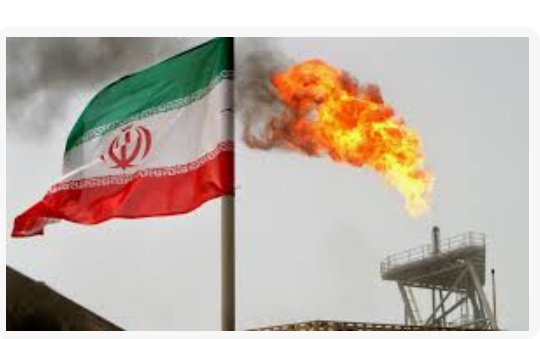
As the U.S.–Israeli war against Iran enters its seventh day, geopolitical tensions are spreading across the Middle East and rattling global markets. Energy prices have surged, the dollar has strengthened, and investors are shifting toward cash and safe-haven assets. Although Türkiye is not directly involved in the conflict, the financial spillovers have already cost the country roughly $14 billion in foreign-exchange reserves, highlighting the broader economic impact of the regional crisis.
War Expands as Political Stakes Rise
The war triggered by joint U.S. and Israeli airstrikes on Iran continues to escalate both militarily and politically.
U.S. President Donald Trump intensified tensions this week by declaring that Washington should have a say in determining Iran’s next leadership following the killing of Supreme Leader Ali Khamenei.
Trump also signaled that he would not support the succession of Khamenei’s son, Mojtaba Khamenei, while sharply criticizing several European governments.
The political rhetoric underscores how unpredictable the situation has become, with geopolitical developments increasingly shaping financial markets.
Regional Impact Spreads Beyond Iran and Israel
The regional implications of the war are expanding rapidly.
While Iran continues missile and drone attacks against Israel and several Gulf states, the broader geopolitical shock is now affecting additional areas across the region.
Recent developments suggest that Azerbaijan, Türkiye, and Cyprus are also feeling the indirect impact of rising tensions.
Tehran has denied responsibility for missile incidents involving Türkiye and Azerbaijan, while blaming Israel for a strike in the Nakhchivan region.
Meanwhile, the humanitarian toll inside Iran continues to rise. More than 1,000 people are reported to have died, including 175 students and school staff killed in an attack on an elementary school in Minab, an event that has shocked international observers.
Energy Infrastructure Under Threat
One of the most critical consequences of the conflict is the growing risk to global energy supply.
Attacks targeting energy infrastructure and oil transportation routes are raising concerns about disruptions to global supply chains.
Israel has indicated that military operations are not yet complete and that a new phase of strikes could target Iran’s underground missile infrastructure.
These developments have increased uncertainty across financial markets and triggered a global shift toward safer assets.
Global Markets Turn Volatile
The Middle East war has caused sharp swings across global markets.
U.S. equities closed lower overnight, while Asian markets showed a mixed performance in early trading.
South Korea’s KOSPI index, which has experienced extreme volatility in recent days, illustrates the turbulence:
-
The index fell nearly 20% in two days
-
Then rebounded around 10% the following day
Japan’s Tokyo Stock Exchange also showed weakness, with the benchmark index heading for a weekly loss of roughly 6%, marking one of the sharpest declines in nearly a year.
Dollar Strengthens as Bond Yields Rise
Risk aversion has driven investors toward the U.S. dollar.
The U.S. 10-year Treasury yield climbed roughly 20 basis points to around 4.15%, reflecting rising inflation concerns.
Meanwhile, the U.S. Dollar Index (DXY) is heading for its strongest weekly performance in approximately 16 months.
The move highlights how geopolitical shocks continue to reinforce the dollar’s role as the primary global safe-haven asset.
Oil Prices Surge on Supply Fears
Energy markets have been among the most directly affected by the conflict.
Brent crude prices jumped rapidly from $69 per barrel to around $86, representing a weekly increase of more than 16%.
Since the beginning of the year, oil prices have risen by nearly 40%.
The possibility of attacks on energy infrastructure or disruptions in the Strait of Hormuz continues to fuel concerns about further supply shocks.
Rate-Cut Expectations Fade
Rising oil prices are also reigniting inflation concerns.
As a result, expectations for interest-rate cuts by major central banks have weakened.
Markets now expect the U.S. Federal Reserve to deliver roughly 40 basis points of rate cuts this year, down from expectations of nearly 60 basis points just weeks ago.
Similarly, the probability of a near-term rate cut by the Bank of England has declined significantly.
Precious Metals Show Volatility
Despite the geopolitical turmoil, precious metals have also experienced volatile trading.
Gold briefly surged above $5,400 per ounce earlier this week, before retreating toward $5,000.
Silver also pulled back to around $80.
The rise in interest rates and the stronger dollar have created downward pressure on non-yielding assets such as gold and silver.
Bitcoin Rebounds on Crypto Policy Signals
The cryptocurrency market has also seen renewed activity.
Bitcoin rallied sharply after Trump called for faster regulatory clarity in the crypto sector.
The price surged from around $66,000 to nearly $74,000 before easing back to approximately $70,000 in early trading.
The retreat suggests that investors remain cautious despite the recent rebound.
Oil Pulls Back Slightly on U.S. Intervention Talk
After six consecutive days of gains, oil prices eased slightly on Friday morning.
Reports that the U.S. administration may intervene in futures markets or take steps to increase supply helped Brent crude fall more than 1% to around $84 per barrel.
Türkiye Faces $14 Billion Reserve Loss
Although Türkiye is not directly involved in the war, its financial markets have already felt the impact.
According to central bank data, the turmoil has resulted in roughly $14 billion in foreign-exchange reserve losses.
The Central Bank of the Republic of Türkiye’s net foreign-currency position has fallen to around $56 billion.
FX Deposits Rise Again
Domestic demand for foreign currency has also increased.
In the week ending February 27, FX deposits held by residents rose by $2.1 billion.
The breakdown shows:
-
$1 billion increase in household FX holdings
-
$1.2 billion increase in corporate FX deposits
Liquidity Measures Push Market Rates Higher
Liquidity measures introduced by the CBRT over the weekend have effectively tightened financial conditions.
The Turkish Lira Overnight Reference Rate (TLREF) climbed close to 40%, reflecting higher funding costs.
The USD/TRY exchange rate reached 44.07 in forward transactions, while Türkiye’s CDS risk premium stood near 240 basis points, little changed from the previous day.
At the start of the year, CDS spreads were around 205 basis points.
Focus Turns to U.S. Jobs Data
Global markets will now turn their attention to the U.S. non-farm payroll report, scheduled for release at 15:30 local time.
According to a Reuters survey:
-
Payrolls are expected to increase by 55,000 jobs
-
The unemployment rate is expected to remain at 4.3%
U.S. retail sales data will also be released at the same time.
While geopolitical developments dominate headlines, these economic indicators remain critical for shaping expectations regarding Federal Reserve policy.
Author: Emre Degirmencioglu, Kıbrıs İktisdat Bankası
PA Turkey intends to inform Turkey watchers with diverse views and opinions. Articles in our website may not necessarily represent the view of our editorial board or count as endorsement.
Follow our English YouTube channel (REAL TURKEY):
https://www.youtube.com/channel/UCKpFJB4GFiNkhmpVZQ_d9Rg
Twitter: @AtillaEng
Facebook: Real Turkey Channel: https://www.facebook.com/realturkeychannel/