Poll Reveals DEM Party Base Still Aligns with Opposition
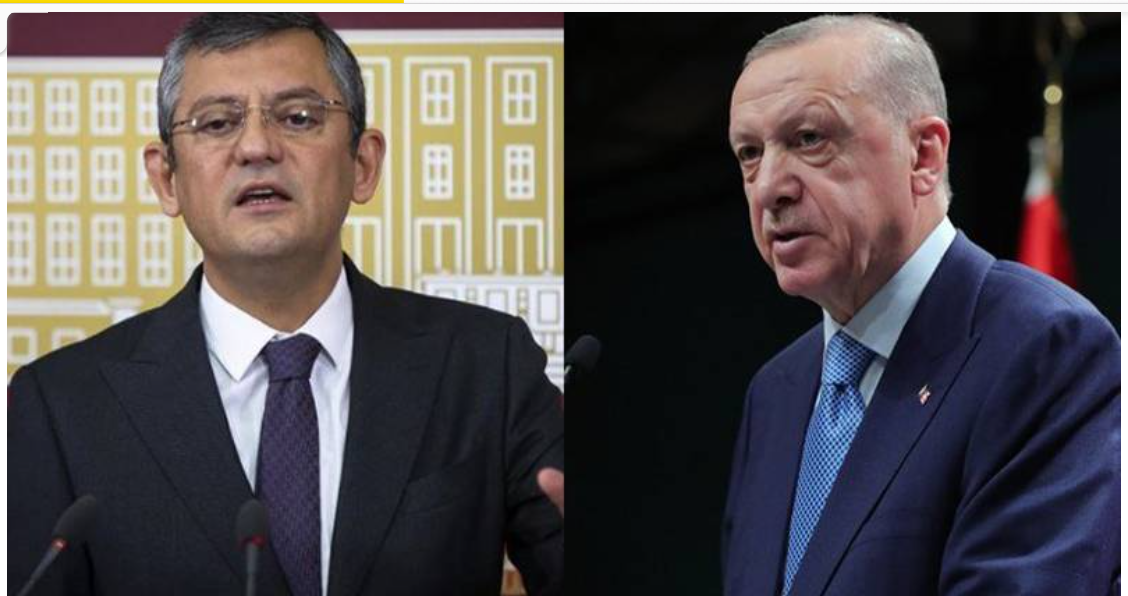
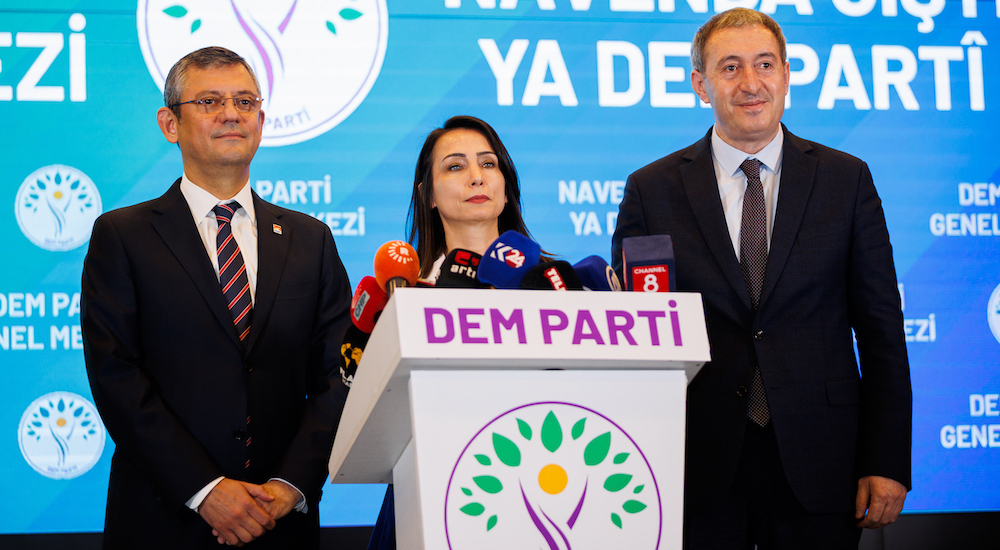 CHP Genel Başkanı Özgür Özel, DEM Parti’yi ziyaret etti
A new nationwide survey has revealed that most DEM Party voters continue to align themselves with the opposition, even as the government advances its so-called “Terror-Free Turkey” initiative, a process launched after a call by MHP leader Devlet Bahçeli and backed by the ruling bloc.
The findings, published by Ankara Research and Consulting, highlight how shifting dynamics — including PKK’s announced withdrawal, increased visits to İmralı Prison, and the arrest of CHP’s presidential candidate Ekrem İmamoğlu — have not significantly altered DEM voters’ political alignment.
One Year Into “Terror-Free Turkey”
The process, initiated a year ago, has seen the PKK declare a ceasefire and announce its withdrawal from Turkish territory following statements attributed to imprisoned leader Abdullah Öcalan. Meanwhile, parliamentary commissions were formed to monitor the transition, and state-led rhetoric emphasized a “new phase without terror.”
However, political tensions intensified with investigations into CHP-led municipalities and the detention of İmamoğlu, sparking debates over the broader implications of the initiative for Turkey’s democratic opposition.
Survey Results: Opposition Retains DEM Support
Between October 16–19, researchers surveyed 2,004 participants across 28 provinces to gauge how voters perceive the DEM Party’s political proximity.
When asked “Which alliance is the DEM Party closer to?”, results varied significantly across voter bases:
| Voter Group | Believes DEM is closer to Opposition | Believes DEM is closer to Ruling Bloc (Cumhur) |
|---|---|---|
| DEM Party | 65.4% | 18.5% |
| AKP | 60.2% | 39.8% |
| CHP | 29.6% | 70.4% |
| MHP | 76.3% | 23.7% |
| İYİ Party | 13% | 87% |
Despite the ongoing reconciliation efforts between Ankara and Kurdish political circles, two-thirds of DEM voters still see their party as part of the opposition, not the ruling alliance.
Perceptions Polarized by Political Identity
Interestingly, while AKP and MHP voters increasingly perceive DEM as opposition-aligned, CHP and İYİ Party voters see it as drawing closer to the ruling bloc — a reflection of Turkey’s deep political polarization.
The study also showed that over time, the share of respondents who view DEM as close to the ruling Cumhur Alliance has gradually increased, while those who consider it closer to the opposition have decreased.
Symbolism and Sentiment
The contradiction between the ongoing state-led process involving DEM circles and the party’s base rejecting proximity to the ruling coalition underscores the limits of current outreach efforts.
Analysts note that the DEM electorate remains skeptical of the government’s sincerity, viewing the process as tactical rather than transformative.