Istanbul’s Housing Market Shows Unprecedented Price Gaps
 house
house
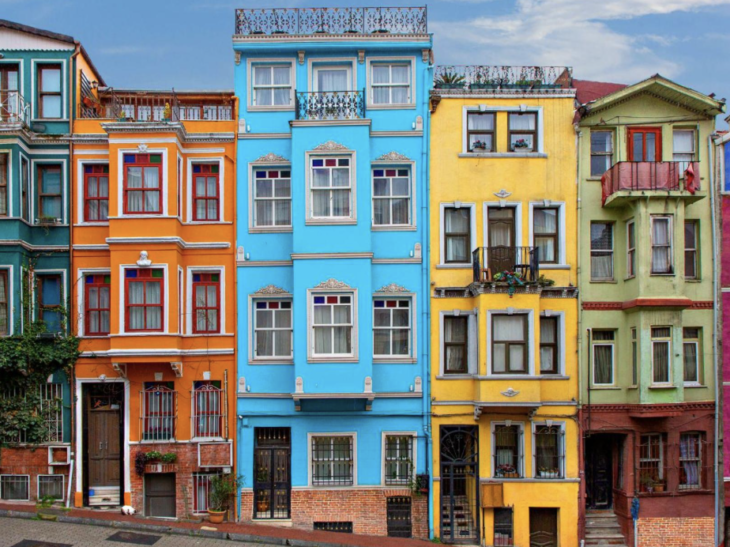
Istanbul’s housing market is currently trapped in an extraordinary price disparity, exposing the city’s stark socioeconomic contrasts. According to Sahibinden.com, the rental market ranges from 3,500 TL apartments in Bağcılar, which are barely livable, to luxurious units in Beşiktaş demanding 2.25 million TL per month. In the sales market, prices range from a 270,000 TL home in Küçükçekmece to a 6 billion TL villa in Bebek, highlighting Istanbul’s dual realities and the deepening housing crisis.
Rental Market Faces Extreme Polarization
The rental market in Istanbul reflects a city of two extremes. Current data from Sahibinden.com lists 45,000 rental listings, revealing enormous price differences between districts and even within neighborhoods.
On one end, Bağcılar offers apartments for as low as 3,500 TL per month, a modest option for lower-income families and students. On the opposite end, high-demand districts like Beşiktaş feature luxurious apartments with monthly rents reaching 2.25 million TL. Popular areas like Nişantaşı and Kadıköy also see rents soar, emphasizing the growing disparity in living standards across income groups.
Esenyurt Leads in Rental Listings
Examining rental listings by volume, Esenyurt tops the list with 3,395 active rental ads. Monthly rents in Esenyurt start at 7,500 TL, climbing to 240,000 TL. The district is followed by Şişli, with 1,961 listings ranging from 8,500 TL to 1.1 million TL, and Kadıköy, with 1,955 listings spanning 6,000 TL to 1.3 million TL.
These figures indicate not only differences between districts but also significant socioeconomic diversity within the same area. For renters, the rising costs reinforce Istanbul’s challenging affordability gap.
Skyrocketing Prices in the Sales Market
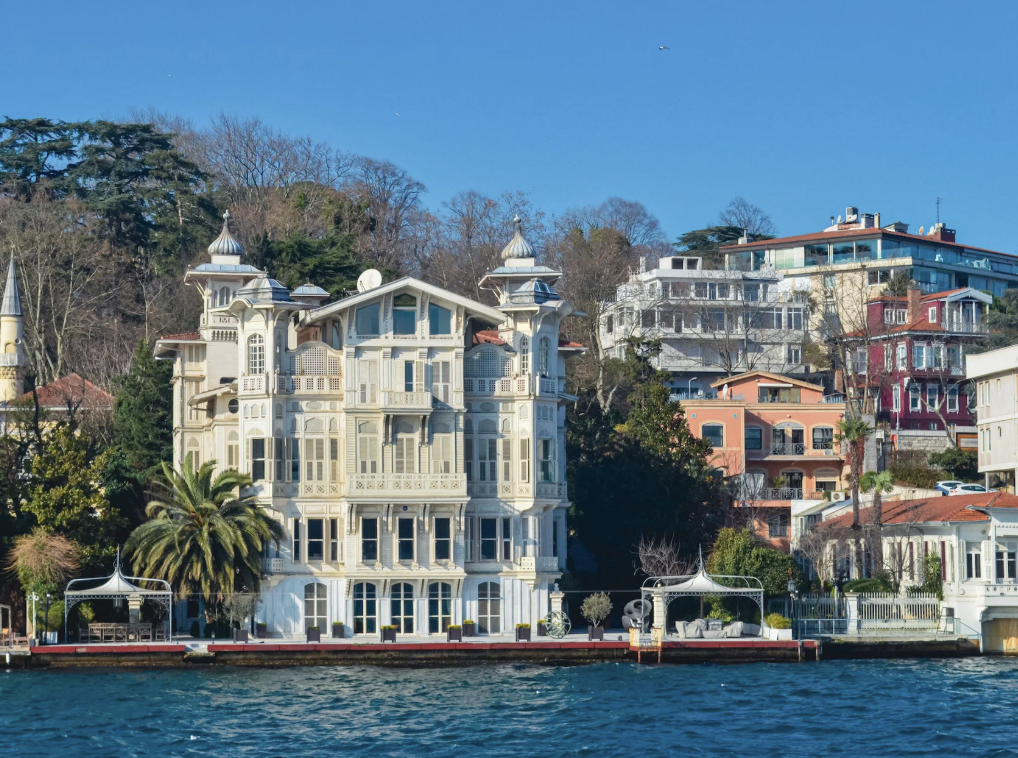
The sales market paints an equally dramatic picture. Data from August 22, 2025, shows that the cheapest home in Istanbul is priced at 270,000 TL in Küçükçekmece, while a Bebek villa commands a staggering 6 billion TL.
The extreme gap highlights the income inequality and contrasting lifestyles within the city. While high-end properties with Bosphorus views, historic mansions, and luxury residences cater to wealthy buyers and investors, the city’s outskirts offer the only accessible options for middle- and lower-income households.
District Leaders in Sales Listings
When analyzing listing density, Esenyurt, Kadıköy, and Beylikdüzü dominate the sales market. Esenyurt leads with 9,877 listings, featuring homes ranging from 740,000 TL to 80 million TL, serving a wide spectrum of budgets. Kadıköy follows closely with 9,241 listings, ranging from 680,000 TL to 500 million TL, while Beylikdüzü, with 6,811 listings, spans 925,000 TL to 200 million TL.
Beylikdüzü has become particularly attractive for families due to new, spacious housing projects, making it one of the most dynamic areas in the city’s sales market.
Deepening Housing Crisis and Socioeconomic Divide
The data underscores a chronic housing problem in Istanbul. The extreme disparity in rental and sales prices reflects deep social and economic divides, while the growing gap between central districts and peripheral neighborhoods illustrates the challenge of accessible housing for ordinary residents.
Experts warn that unless urban planning policies, affordable housing projects, and rent regulations are strengthened, the gap may continue to widen, further exacerbating social inequality.
Implications for Renters and Buyers
-
Renters face increasing challenges, particularly in high-demand areas where even small apartments are priced far above average.
-
Potential homeowners must navigate a market where affordability varies dramatically by district, from the city’s outskirts to luxury central locations.
-
Investors often target premium districts, further driving prices up and limiting options for local residents.
Istanbul’s housing market is a city of extremes, where the difference between a low-cost apartment in Bağcılar and a multi-million TL property in Bebek illustrates the severity of the housing crisis. The stark contrasts in both rental and sales markets underline the need for targeted policies to address affordability, prevent further social stratification, and make housing accessible to a broader segment of the population.