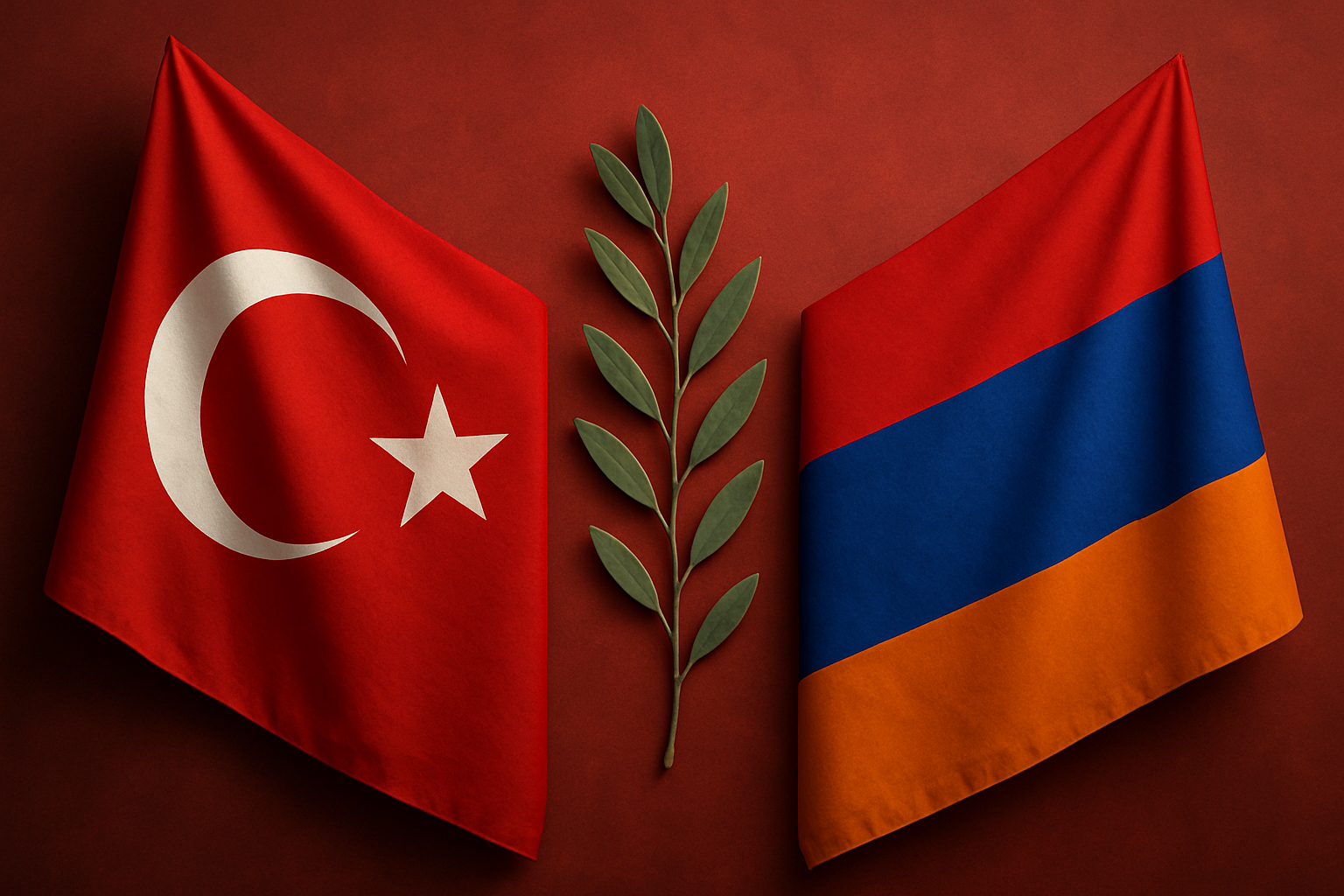
Pashinyan’s “Historic” Visit to Turkey Marks Rare Step Toward Regional Peace
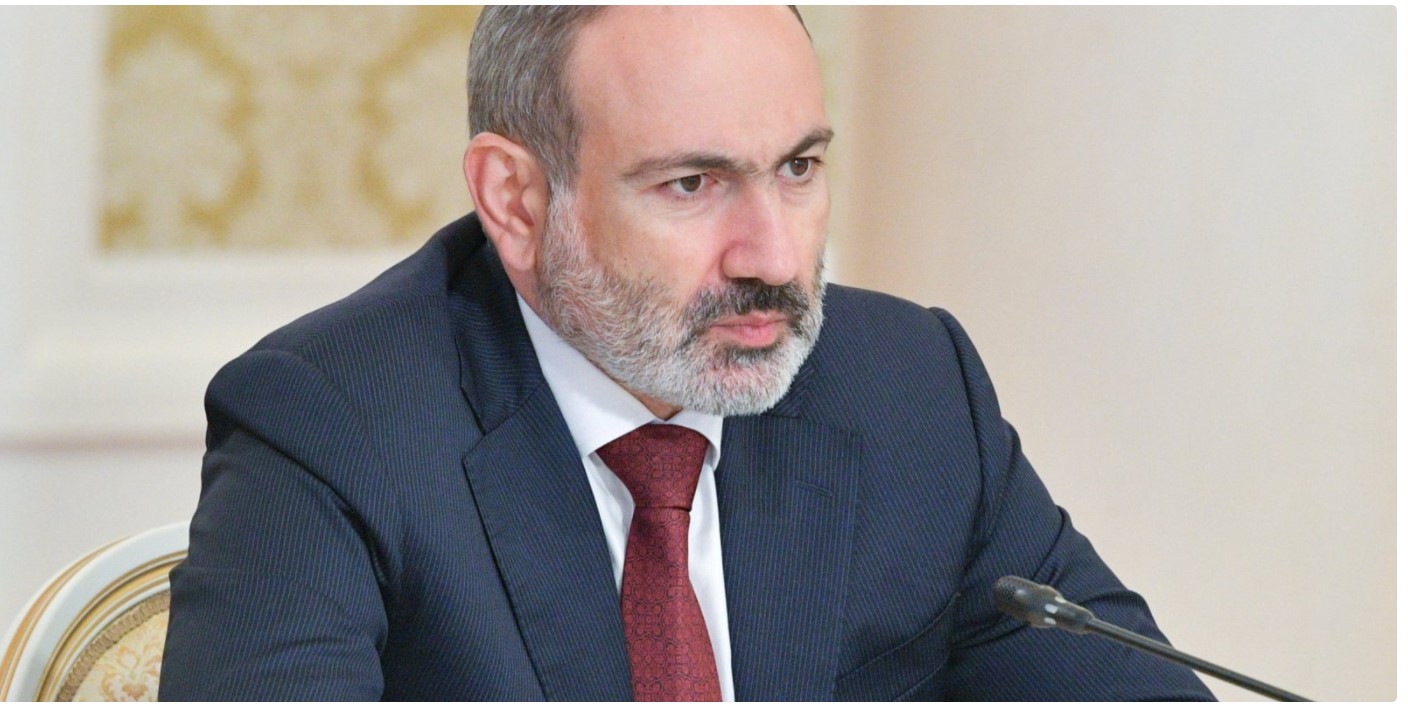 armenia-pashinyan
In a landmark visit to Istanbul, Armenian Prime Minister Nikol Pashinyan held “in-depth” discussions with Turkish President Recep Tayyip Erdoğan, signaling a rare and potentially transformative moment in Turkey-Armenia relations. The closed-door talks, held at Dolmabahçe Palace, lasted just over an hour and were described by both sides as constructive and historic.
The meeting comes despite decades of animosity between the two nations, who have never established formal diplomatic ties and have kept their shared border closed since the 1990s. Yet, both governments expressed optimism about the normalization process, viewing this high-level engagement as a possible gateway to lasting regional stability.
According to Erdoğan’s office, the conversation focused not only on Armenia-Turkey relations but also on ongoing peace negotiations between Armenia and Azerbaijan, and broader regional developments — especially the escalating tensions between Iran and Israel, both of which share borders with Turkey and Armenia.
“President Erdoğan emphasised the importance of the progress made in peace talks between Azerbaijan and Armenia under current circumstances,” read an official statement.
The Armenian side echoed this optimism. In a post on X (formerly Twitter), Pashinyan called the dialogue “in-depth and meaningful”, reaffirming Armenia’s commitment to peace and regional cooperation. “We underlined the importance of maintaining constructive dialogue and achieving tangible outcomes,” the Armenian government stated.
Relations between Ankara and Yerevan have long been fraught, primarily due to Turkey’s refusal to recognize the 1915 mass killings of Armenians under the Ottoman Empire as genocide—a term embraced by Armenia and many Western countries but rejected by Ankara.
Compounding the challenge is Turkey’s close alliance with Azerbaijan, which has led to diplomatic rifts during the Nagorno-Karabakh conflict. Despite a provisional peace deal agreed in March, Baku has introduced new conditions, including constitutional changes in Armenia, before finalizing the agreement.
Pashinyan, facing backlash at home—including protests and the detention of several opposition figures—remains focused on breaking Armenia’s geopolitical isolation.
“This is a historic visit,” said Armenian Parliament Speaker Alen Simonyan, noting that it marked the first time an Armenian head of state had visited Turkey at this level.
The visit followed a separate meeting between Erdoğan and Azerbaijani President Ilham Aliyev, where the Turkish leader reaffirmed support for Baku’s peace efforts with Yerevan.
Analysts view Pashinyan’s strategy as part of a broader realignment in the South Caucasus, aiming to weaken Russian influence, boost regional trade, and repair strained ties with the West. As Carnegie Europe’s Thomas de Waal put it: “The main obstacle to Turkey-Armenia normalization is Azerbaijan, but if that hurdle is cleared, it could reshape regional geopolitics.”
Related articles
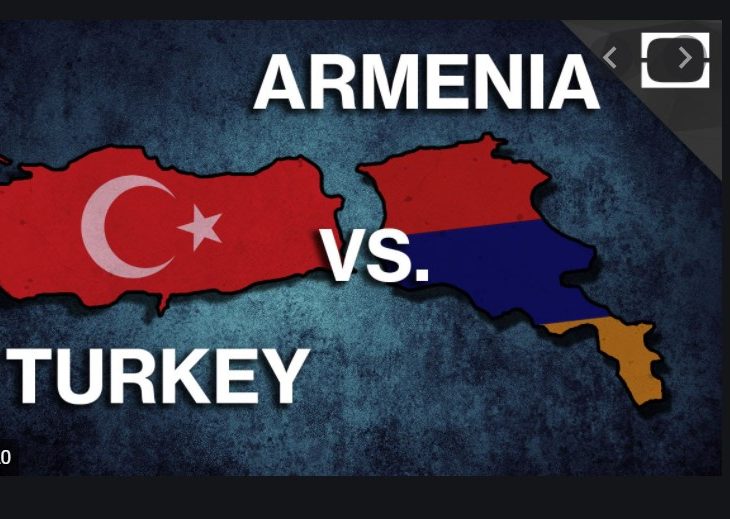
Turkish foreign minister: Turkey and Armenia shows efforts to normalize their ties
Turkey reaches out to foe Armenia in drive for Caucasus influence
Türkiye–Armenia Normalization: Strategic Realignment in the South Caucasus