US Extends Russia Gas Payment Waivers for Turkey and Slovakia Until May
 gas
gas
The United States has extended temporary waivers allowing Turkey and Slovakia to continue making natural gas payments to Russia, easing immediate energy security concerns for both countries. According to sources cited by Reuters, the renewed waivers will remain valid until May, offering short-term relief as Washington maintains pressure on Moscow through financial sanctions linked to the war in Ukraine.
The decision comes amid heightened scrutiny of Russia’s energy revenues and the financial institutions that support them. While the extensions do not signal a change in overall US sanctions policy, they underscore the practical challenges facing countries that remain partly dependent on Russian gas supplies.
Sanctions on Gazprombank and Energy Market Disruptions
In November, the United States imposed fresh sanctions on Gazprombank, one of Russia’s largest financial institutions. The bank plays a central role in handling payments for natural gas sold by state-controlled energy giant Gazprom to European customers. By targeting Gazprombank, Washington aimed to further restrict Russia’s access to international financial systems and reduce revenue streams supporting its war effort.
However, the sanctions also risked creating payment bottlenecks for countries still receiving Russian gas. Without specific exemptions, buyers could have faced legal and technical obstacles in settling gas invoices, potentially disrupting energy flows during the winter season.
To prevent such disruptions, the US granted temporary waivers in December to Turkey, Hungary, and Slovakia. These waivers removed a major hurdle to gas payments, particularly for supplies delivered through established pipeline routes.
Turkey’s Strategic Role and the TurkStream Pipeline
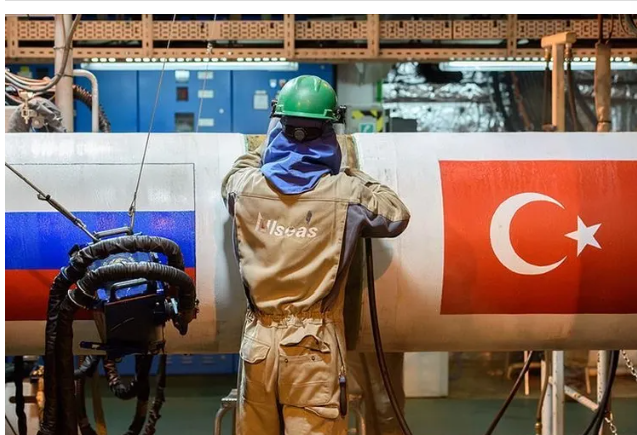
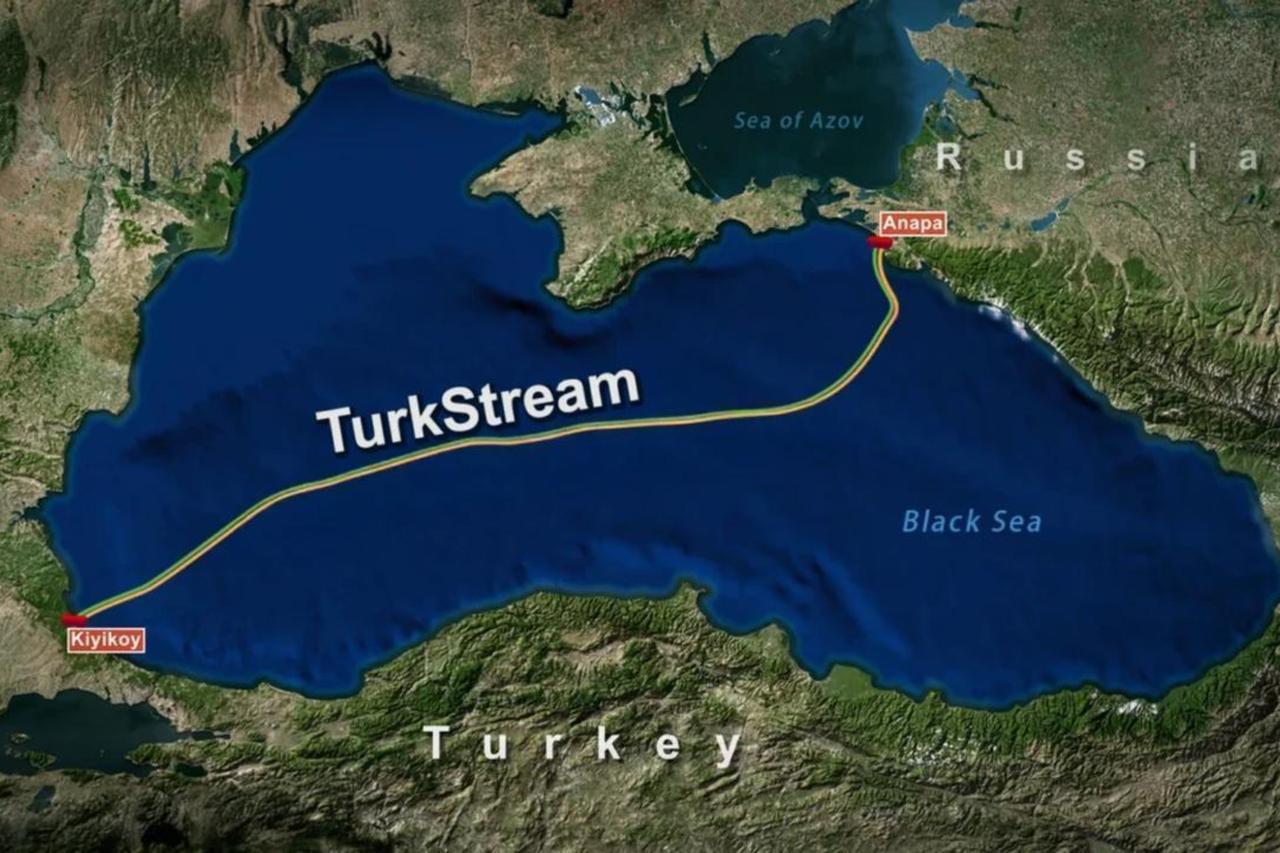
Turkey holds a unique position in Europe’s energy landscape. Unlike many European Union countries that have sharply reduced Russian gas imports, Turkey continues to receive significant volumes of gas from Russia, largely via the TurkStream pipeline. This pipeline runs under the Black Sea and supplies gas directly to Turkey, with onward connections to parts of southeastern Europe.
The waiver extension ensures that Turkey can continue paying for these deliveries without violating US sanctions. This is particularly important for Ankara, which relies on imported natural gas to meet domestic demand for electricity generation, heating, and industrial use.
Turkey’s energy ministry declined to comment on the extension, while the treasury also did not immediately respond to media inquiries. Despite the lack of official statements, the continuation of the waiver provides regulatory certainty for Turkish energy companies and financial institutions involved in gas transactions.
Slovakia’s Energy Dependence and Regional Implications
Slovakia, though smaller in scale, faces similar constraints. As a landlocked Central European country, it has historically depended on Russian gas supplies delivered through pipeline networks. While Bratislava has worked to diversify energy sources since the start of the Ukraine war, Russian gas still plays a role in its energy mix.
The waiver extension allows Slovakia to continue making payments through sanctioned channels without breaching US restrictions. Slovakia’s economy ministry did not immediately respond to requests for comment, but the extension is likely to be viewed as a pragmatic measure to ensure energy stability while longer-term alternatives are developed.
Hungary Awaits Clarity
Hungary, which also received a waiver in December, had not publicly commented on whether its exemption was similarly extended at the time of reporting. Budapest has taken a more openly critical stance toward EU and Western efforts to rapidly cut energy ties with Russia, arguing that such moves threaten national energy security.
Hungary, like Turkey, receives Russian gas through the TurkStream pipeline. Any continuation or lapse of the waiver would therefore have direct consequences for its gas import arrangements and broader relations with both Washington and Brussels.
Balancing Sanctions and Energy Security
The extension of these waivers highlights the delicate balance the United States is trying to maintain. On one hand, Washington remains committed to enforcing tough sanctions on Russia in response to the Ukraine conflict. On the other, it recognizes that an abrupt halt to gas payments could destabilize allied economies and energy markets.
By granting time-limited exemptions, the US allows countries such as Turkey and Slovakia to manage existing contracts while encouraging them to reduce dependence on Russian energy over time. The May deadline suggests that these waivers are not meant to be permanent and could be reassessed depending on geopolitical developments and progress toward diversification.
What the Extension Means Going Forward
For now, the waiver extension provides breathing room. Energy companies can continue operations without immediate legal uncertainty, and governments can avoid sudden supply shocks. However, the temporary nature of the decision keeps pressure on recipient countries to accelerate investments in alternative suppliers, LNG infrastructure, and renewable energy sources.
Related articles
Türkiye Gains Strategic Ground in Syria as Russian Influence Wanes
Attacks on TurkStream Facilities Raise Energy Security Concerns
Russia Accuses Ukraine of Attacks on TurkStream Pipeline, Shares ‘Evidence’ with Turkey