Türkiye’s Rare Earth Ambitions: Giant Reserve or Strategic Mirage?
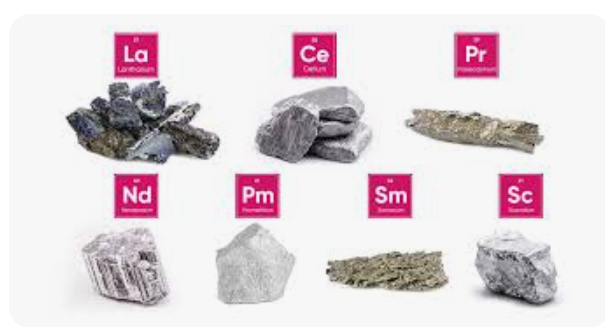 nadir toprak elemnetleri
As the United States accelerates efforts to build China-free critical mineral supply chains, by signing supply deals with Pakistan and Kazakhstan, Turkey is left out. This is strange considering Erdogan and Trump are good friends. For Erdogan, what better way than gain Trump’s favor by offering joint ventures to exploit Turkey’s reserves. Or are these reserves only hype?
They are not hype, but Ankara is very confused about how to convert riches underground to dollari in CBRT coffers.
This is the story:
Türkiye finds itself in a paradoxical position: geologically promising but technologically constrained. The Beylikova rare earth deposit in Eskişehir is frequently described as one of the world’s largest, yet the country still lacks commercial-scale separation capacity and magnet-grade production. Whether Türkiye becomes a meaningful player in the ex-China rare earth ecosystem will depend less on ore tonnage and more on chemistry, capital, and long-term industrial execution.
Strategic Friction Between Washington and Ankara
Washington has intensified efforts to diversify critical mineral supply chains through initiatives such as a $12 billion strategic reserve program and expanded diplomatic engagement with Central Asia. However, Türkiye has not signed a bilateral critical minerals framework with the United States.
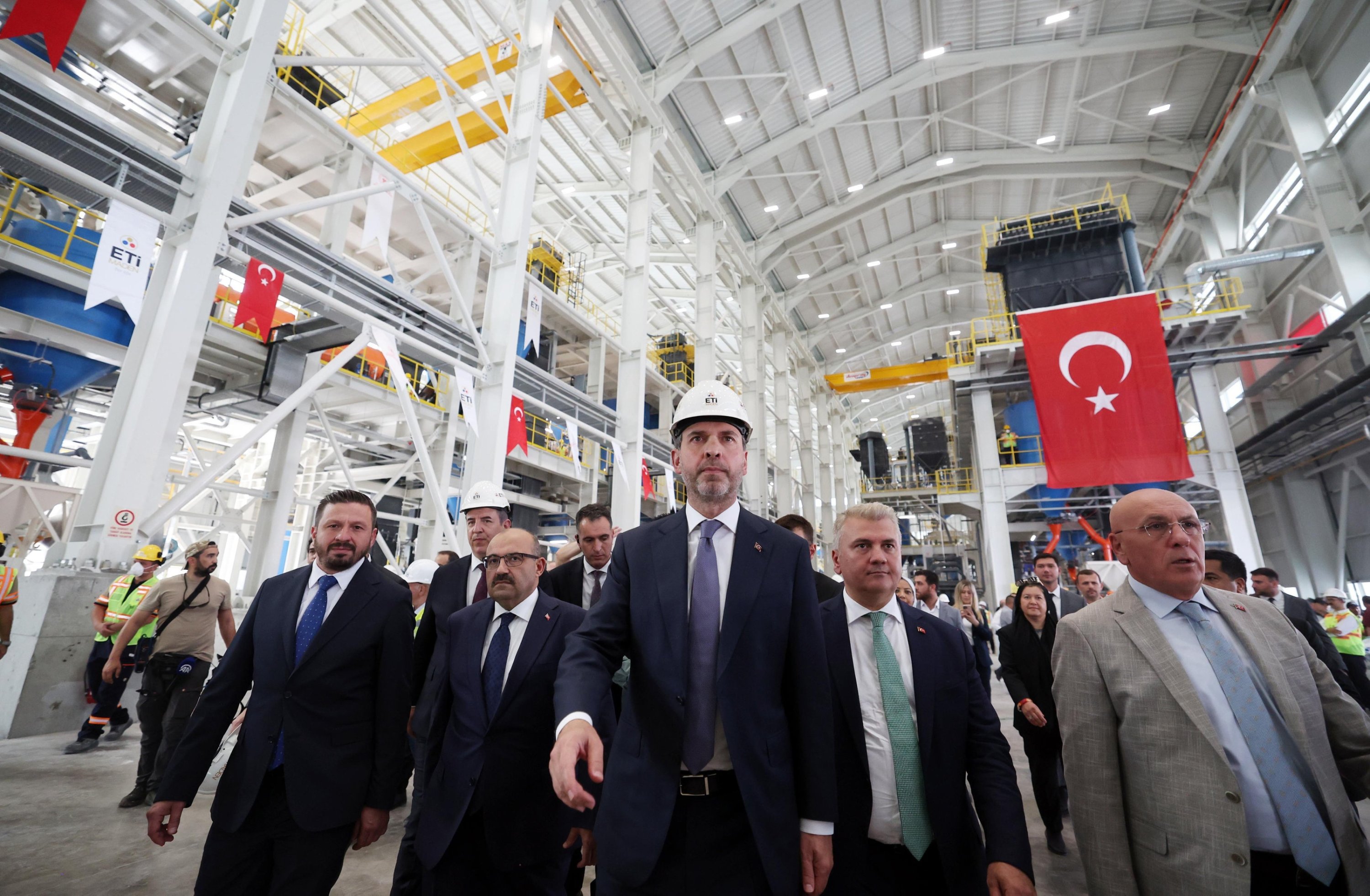
Energy and Natural Resources Minister Alparslan Bayraktar stated in late 2025 and again in January 2026 that selling rare earth elements directly to the U.S. was “out of the question,” emphasizing that Türkiye intends to operate its flagship reserves through state-controlled Eti Maden.
Ankara’s cautious stance comes amid broader geopolitical balancing. In 2024, Türkiye signed a mining cooperation memorandum with China’s Ministry of Natural Resources, aiming to import technical expertise in processing. This move complicates U.S. engagement at a time when Washington’s “America First” minerals policy prioritizes removing Chinese influence from global supply chains.
The Beylikova Deposit: Scale vs. Capability
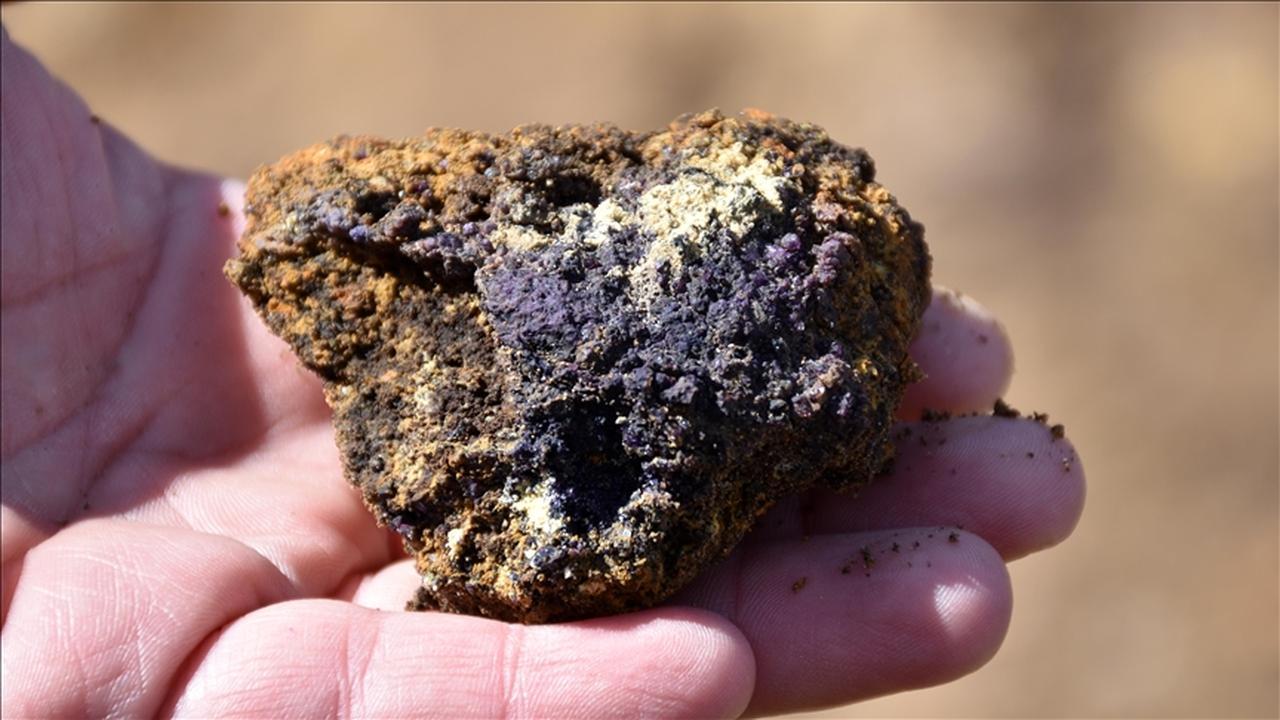

The Beylikova deposit in Eskişehir is often described as the world’s second-largest rare earth occurrence after China’s Bayan Obo. Official estimates suggest approximately 694 million tons of complex ore.
However, that figure refers to total ore volume—not extractable rare earth oxides (REO). Independent assessments indicate the ore grade is slightly above 1% REO. While commercially viable, this is not extraordinary by global standards.
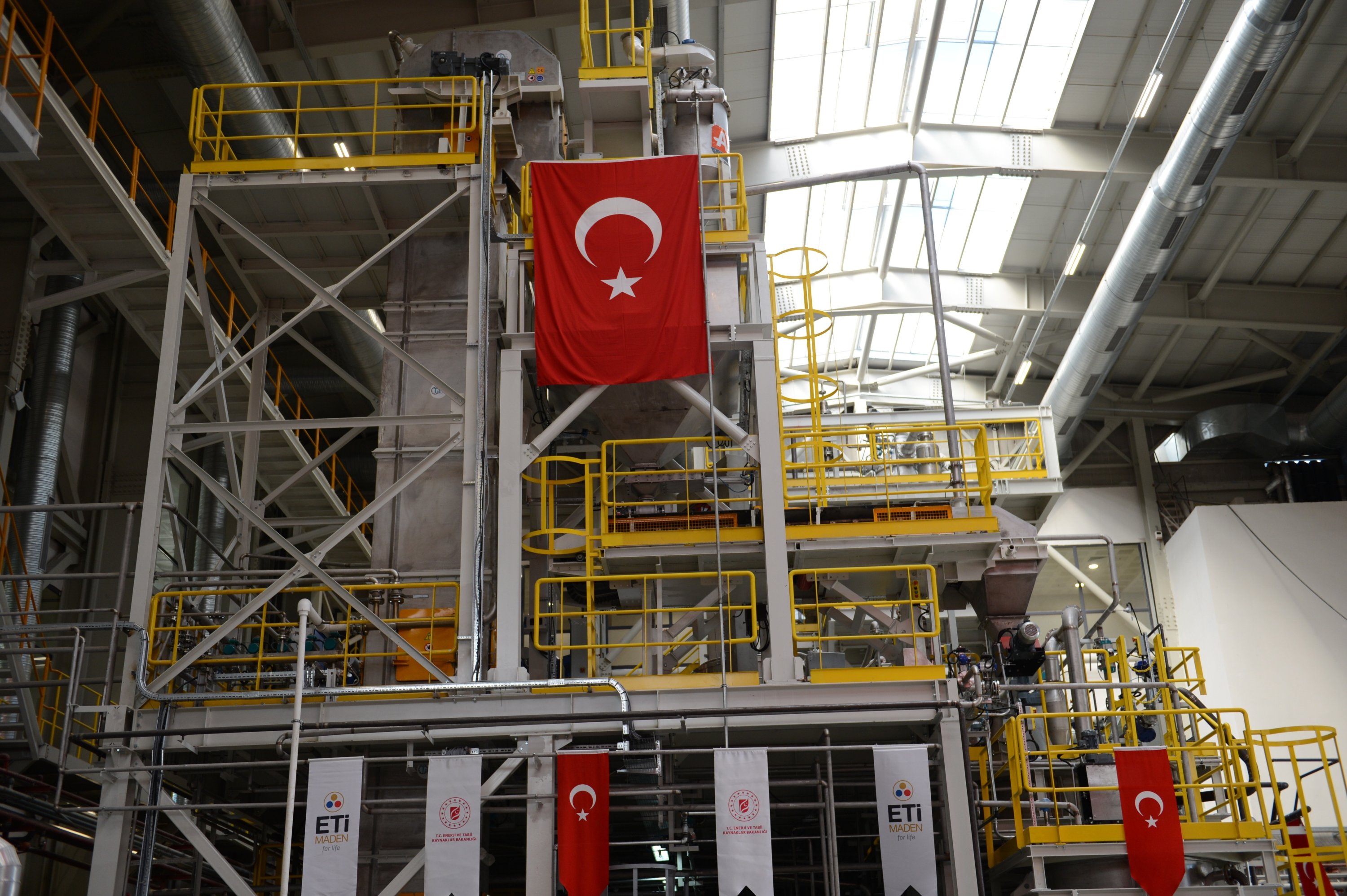
A pilot facility inaugurated in April 2023 processes around 1,200 tons of ore annually. Officials have outlined plans for a full-scale plant capable of handling approximately 570,000 tons of ore per year, potentially producing around 10,000 tons of rare earth oxides annually.
State-affiliated sources have projected possible revenues of roughly $220 million per year once the operation scales up.
The Purity Challenge
Türkiye has reportedly achieved pilot-scale purity levels of 92–93%. However, magnet-grade materials—essential for electric vehicles, wind turbines, and defense electronics—require purity levels of 99.9% or higher.
Bridging the gap from concentrate to magnet-grade oxide is not incremental; it is transformational. The critical value in rare earth supply chains lies in:
-
Advanced solvent extraction systems
-
Impurity control
-
Alloy production
-
Downstream magnet manufacturing
Türkiye currently lacks a commercial-scale rare earth separation facility capable of delivering these specifications.
Composition Matters: Light vs. Heavy Rare Earths
Geological reports suggest Beylikova’s mineralization skews toward light rare earth elements such as lanthanum and cerium. Higher-value magnet metals—neodymium and praseodymium—appear in smaller proportions.
The ore body is also geologically complex, intertwined with barite and fluorite, and accompanied by thorium, a radioactive element that complicates extraction and environmental management.
These factors increase capital intensity and processing complexity.
Boron: Türkiye’s Strategic Shield


Beyond rare earths, Türkiye controls approximately 70% of global boron reserves. In 2026, boron is increasingly framed by Ankara as a geopolitical asset.
U.S. companies have identified Turkish dominance in boron as a potential supply chain risk, while Türkiye appears intent on leveraging this position to negotiate technology transfers and industrial partnerships.
Unlike rare earths, boron production is already established at industrial scale through Eti Maden, providing Türkiye with a tangible strategic advantage.
2026: A Year of Differentiation?
Türkiye’s mining sector is targeting more than $10 billion in exports in 2026. However, experts note that refining and advanced processing generate 10–15 times more value than raw ore extraction.
Without access to advanced separation technologies—whether from the U.S., Japan, or other partners—Türkiye risks remaining primarily an ore processor rather than a high-tech manufacturer.
There is growing domestic discussion about establishing a National Critical Minerals Authority to coordinate policy between the ministries of Energy, Industry, and Defense. Such an institution could streamline investment decisions and accelerate international joint ventures.
Political Optimism vs. Industrial Reality
President Recep Tayyip Erdoğan and Minister Bayraktar have framed Beylikova as a strategic leap that could position Türkiye as a Europe-facing rare earth hub at a time when EU and NATO allies are seeking diversification away from China.
However, rare earth markets are not won by reserve size alone. China’s dominance rests on decades of investment in separation chemistry, environmental management, and downstream integration.
Raising purity levels from the low 90s is necessary progress—but it is only an early step in a multi-year, capital-intensive journey.
The Strategic Question
If Türkiye successfully scales Beylikova to 570,000 tons of annual ore processing and develops downstream capabilities, it could supply a meaningful share of the non-Chinese rare earth market.
Its geographic position—bridging Europe, Central Asia, and the Middle East—provides strategic leverage. With credible separation technology, disciplined execution, and reliable downstream partners, Türkiye could emerge as a secondary node in the ex-China rare earth ecosystem.
Absent that follow-through, Beylikova risks becoming another example of a large deposit with limited strategic impact.
Conclusion
Türkiye’s rare earth story signals intent, not arrival. The country possesses geological potential and political ambition. What remains uncertain is whether it can cross the most difficult bridge in the industry: the transition from mineral resource to advanced material production.
For investors and policymakers alike, the decisive factor will not be headline tonnage—but whether Türkiye can master separation chemistry, secure technology partnerships, and sustain long-term industrial commitment.
PA Turkey news desk
Related articles
Türkiye Reaches 22 Million Natural Gas Subscribers as Expansion Hits All 81 Provinces
Turkey and U.S. in Talks on Rare Earth Deal as Ankara Shifts Away From China and Russia
UPDATE: Turkey Unveils Major Rare-Earth Discovery, Seeks Global Partners Amid U.S.–China Rivalry