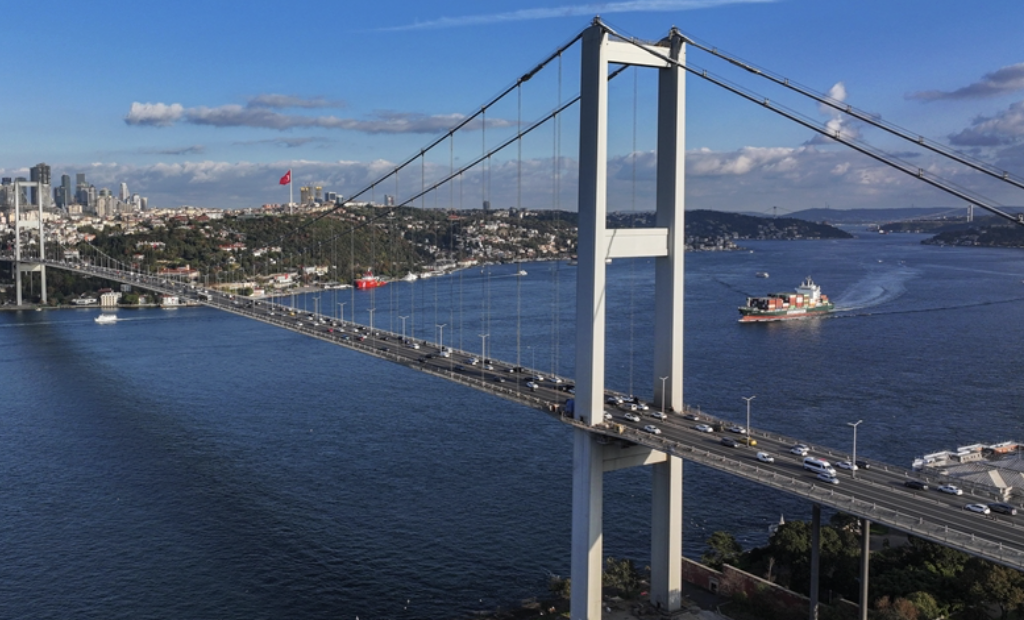
Türkiye Advances Bridge and Highway Privatization, Holds Talks with European Operators
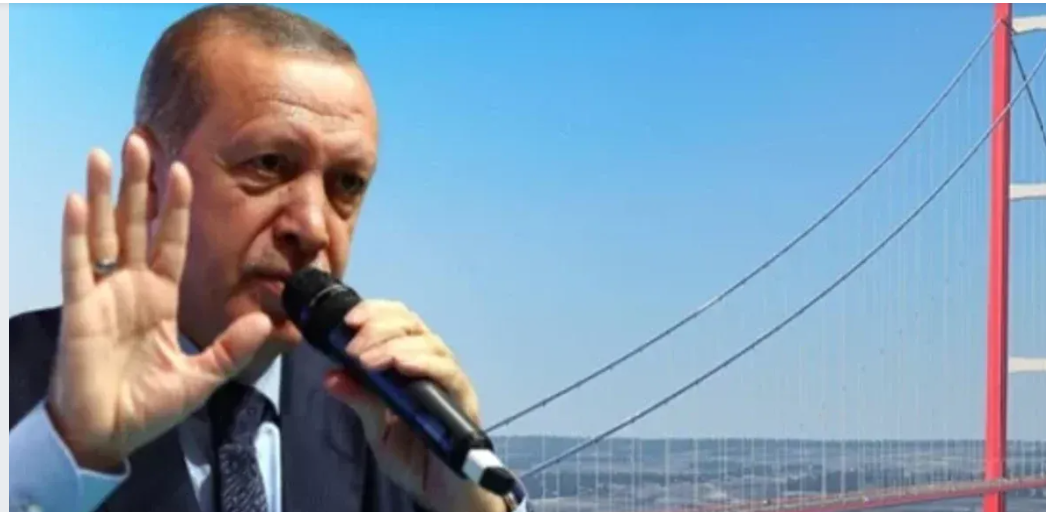 ozellestirme
Türkiye has stepped up efforts to privatize major bridge and highway assets in Istanbul, holding preliminary talks with European infrastructure operators ahead of a planned tender. The process aims to boost public revenues while attracting foreign investment, though past attempts highlight pricing and investor interest challenges.
International Outreach Gains Momentum
Türkiye has accelerated preparations for the privatization of key transportation assets, including major bridges over the Bosphorus and associated highway networks.
Officials from the Privatization Administration, alongside consultancy EY, have begun engaging with European highway operators to gauge investor interest before the official tender process.
According to Reuters, these early-stage discussions are intended to shape the structure and terms of the upcoming auction.
Talks Held with Portugal’s Brisa
Sources familiar with the matter said a Turkish delegation recently met with executives from Brisa, Portugal’s largest highway operator.
The meeting, requested by the Turkish side, focused on the potential privatization framework. Brisa had previously expressed interest in an earlier Turkish privatization attempt but declined to comment on current discussions.
Officials from the Privatization Administration and EY also did not provide immediate statements.
Tender Timeline Expected Soon
Market participants expect the tender specifications to be released in May or June, which will clarify key details of the privatization model.
The project is expected to involve the transfer of operating rights for a fixed period, rather than an outright sale of assets.
Transport Minister Abdulkadir Uraloğlu has emphasized that the initiative is structured as a concession model.
Government Targets Higher Privatization Revenues
The government aims to increase privatization revenues and reduce infrastructure maintenance costs.
The Bosphorus bridges, seen as “crown jewel” assets, generate steady income due to high traffic volumes. Around 430,000 vehicles crossed these bridges daily in 2024.
Türkiye’s highway network spans approximately 3,800 km, with about 2,300 km operated by the state and roughly 1,500 km managed by private companies.
Lessons from the 2013 Attempt
A previous privatization effort in 2013 was cancelled after bids were deemed insufficient.
At the time, then-Prime Minister Recep Tayyip Erdoğan rejected a $5.7 billion offer for a 25-year concession, arguing the valuation fell short and suggesting a higher benchmark closer to $7 billion.
Strategic Importance of the Assets
The bridges and highways targeted in the plan are critical components of Türkiye’s transport infrastructure.
State-operated routes still account for more than half of total traffic, while privately run projects such as the Eurasia Tunnel and Yavuz Sultan Selim Bridge provide alternative routes and ease congestion.
Outlook: Investor Interest Key to Success
The success of the privatization process will depend on investor appetite, pricing expectations, and the clarity of the regulatory framework.
While the government seeks to attract international capital, past experience suggests that balancing valuation expectations with market realities will be crucial.
Reuters, SOZCU
PA Turkey intends to inform Turkey watchers with diverse views and opinions. Articles in our website may not necessarily represent the view of our editorial board or count as endorsement.
Follow our English YouTube channel (REAL TURKEY):
https://www.youtube.com/channel/UCKpFJB4GFiNkhmpVZQ_d9Rg
Twitter: @AtillaEng
Facebook: Real Turkey Channel: https://www.facebook.com/realturkeychannel/
Related articles
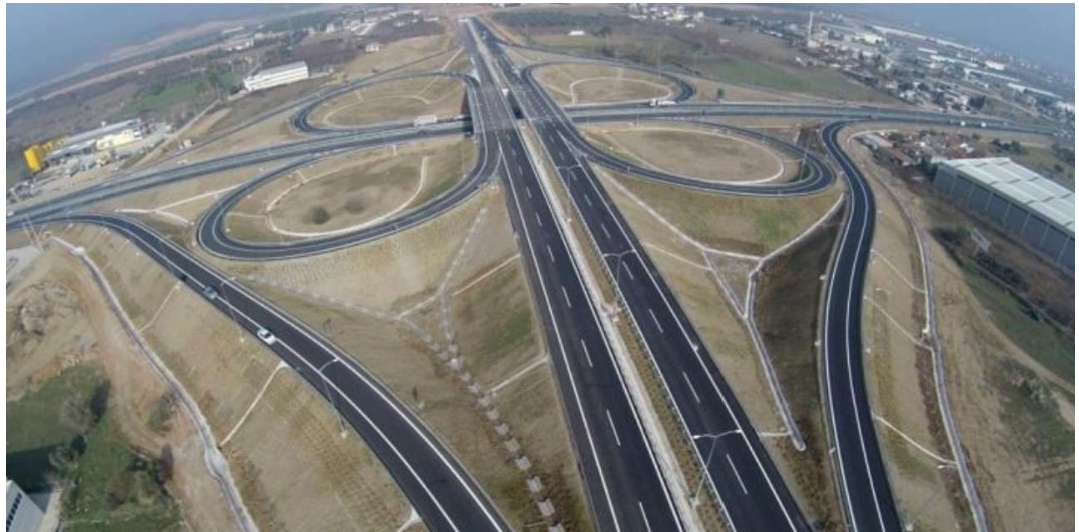
Özgür Özel Alleges Erdoğan Plans to Sell Major Bridges to British Firm

Turkey 3Q25 Earnings Season Preview: Industrials Stabilize, Banks Regain Margins
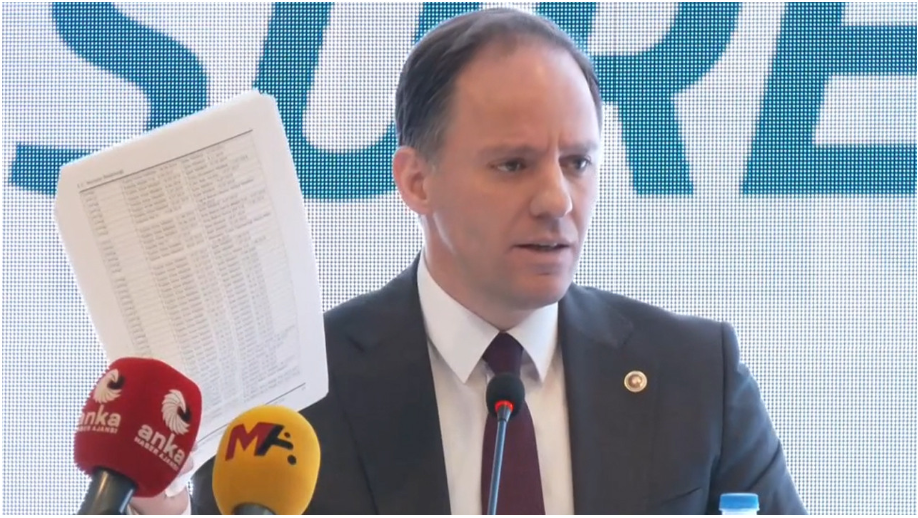
CHP Slams Planned Bridge and Highway Privatization, Warns of Heavy Burden on Taxpayers