Turkish Intelligence Shares Document on Famous British Agent “Lawrence of Arabia”
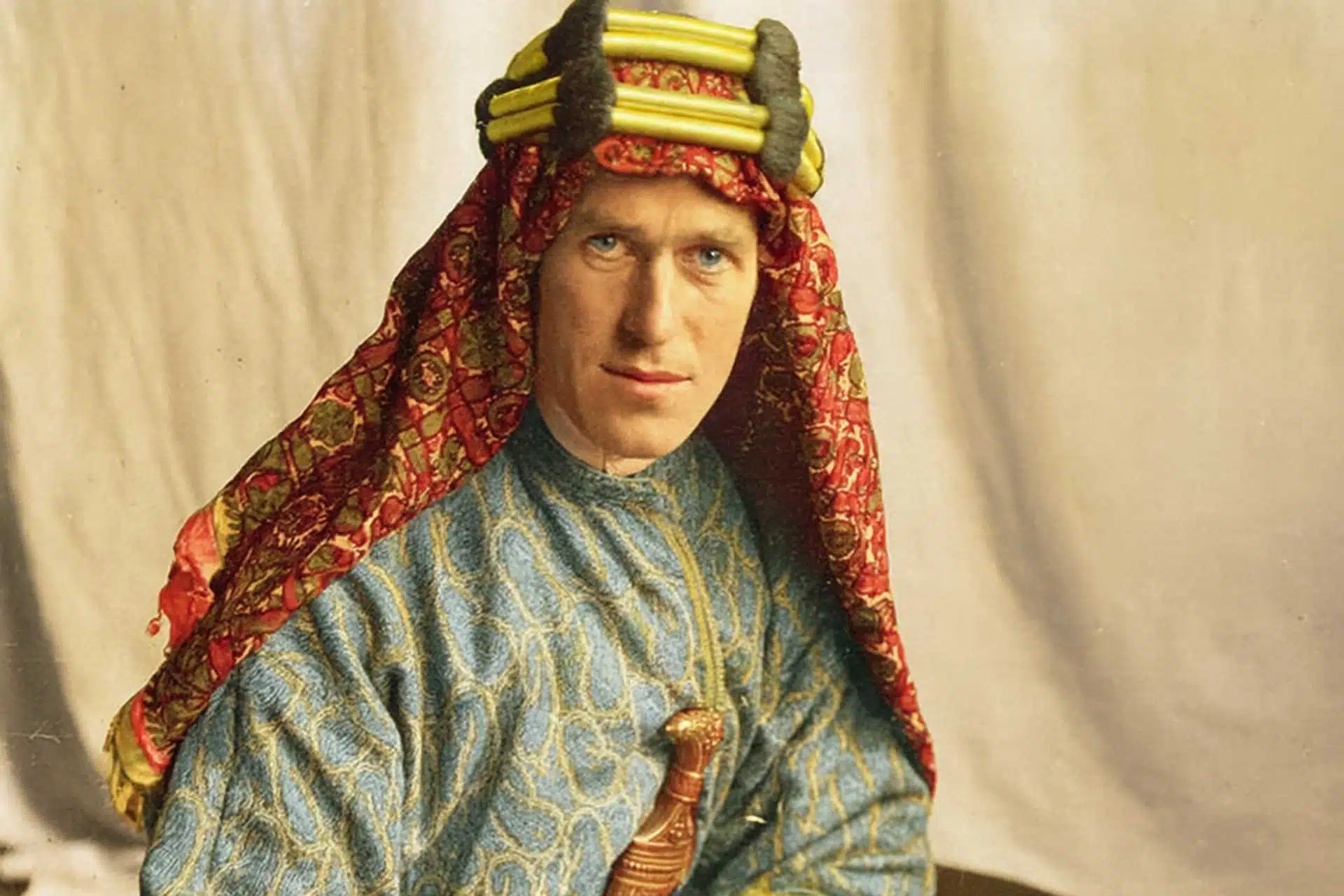 Lawrence-of-Arabia
Turkey’s National Intelligence Organization (MİT) has shared a historical intelligence document about the renowned British agent Thomas Edward Lawrence, widely known as “Lawrence of Arabia.”
A new document has been added to MİT’s official website under the “Documents” section of the “Special Collection.” The intelligence report sheds light on Lawrence’s activities in the Middle East during the early 20th century.
The document published by MİT is a report dated September 23, 1929, prepared by the Directorate of National Security Services. It details Lawrence’s activities carried out under various aliases and disguises in Egypt, Syria, and Iraq, including the use of different clothing and false identities.
The report was sent to the Office of the Chief of the General Staff and the Ministries of Interior and Foreign Affairs, and it includes a photograph of Lawrence in military uniform.
Contents of the Intelligence Report
According to the document, Lawrence—described as a well-known colonel and a prominent spy within British intelligence—was reported to have stayed in Egypt under the alias Sheikh Abdullah, then traveled to Syria and Iraq, and later made a sudden appearance in Jerusalem in August of that year. The report states that he was subsequently believed to be in Khartoum, Sudan.
The intelligence assessment claims that during his time in Jerusalem, Lawrence appeared at times disguised as a Muslim religious scholar, using the name Sheikh Abdullah, and at other times as an American Jewish rabbi, under the name Yakos Iskinazi, visiting areas near the Western Wall. It alleges that he delivered provocative and manipulative messages to both Muslim and Jewish communities at different times, contributing to rising tensions in Palestine.
The report further asserts that these actions were confirmed by verified intelligence and witness statements and that they helped prepare the ground for ongoing conflicts in the region.
Allegations of Broader British Strategy
The document also reflects concerns that British intelligence and imperial authorities were dissatisfied with the political direction of local labor groups in the region. It claims that unrest was deliberately encouraged in Palestine and Egypt to undermine plans by then British Prime Minister Ramsay MacDonald to grant greater autonomy or independence.
According to the report, creating instability—particularly through Sudan, which was closely linked to Egypt—was viewed as a strategic means to demonstrate that Egypt was not yet ready for independence. The document suggests that Sudan was seen as an ideal base for organizing sabotage, importing trained agents into Egypt, and carrying out negative propaganda and destabilizing activities.
The intelligence report concludes that Lawrence’s move to the Sudan region was considered highly suspicious and closely linked to these covert and strategic plans.
The document, released for historical transparency, provides insight into how intelligence services of the period perceived British covert activities in the Middle East and highlights the enduring geopolitical significance of the region.