Turkish Exports Stumble in Early 2026: A Difficult Start for the $282 Billion Target
 ihracat
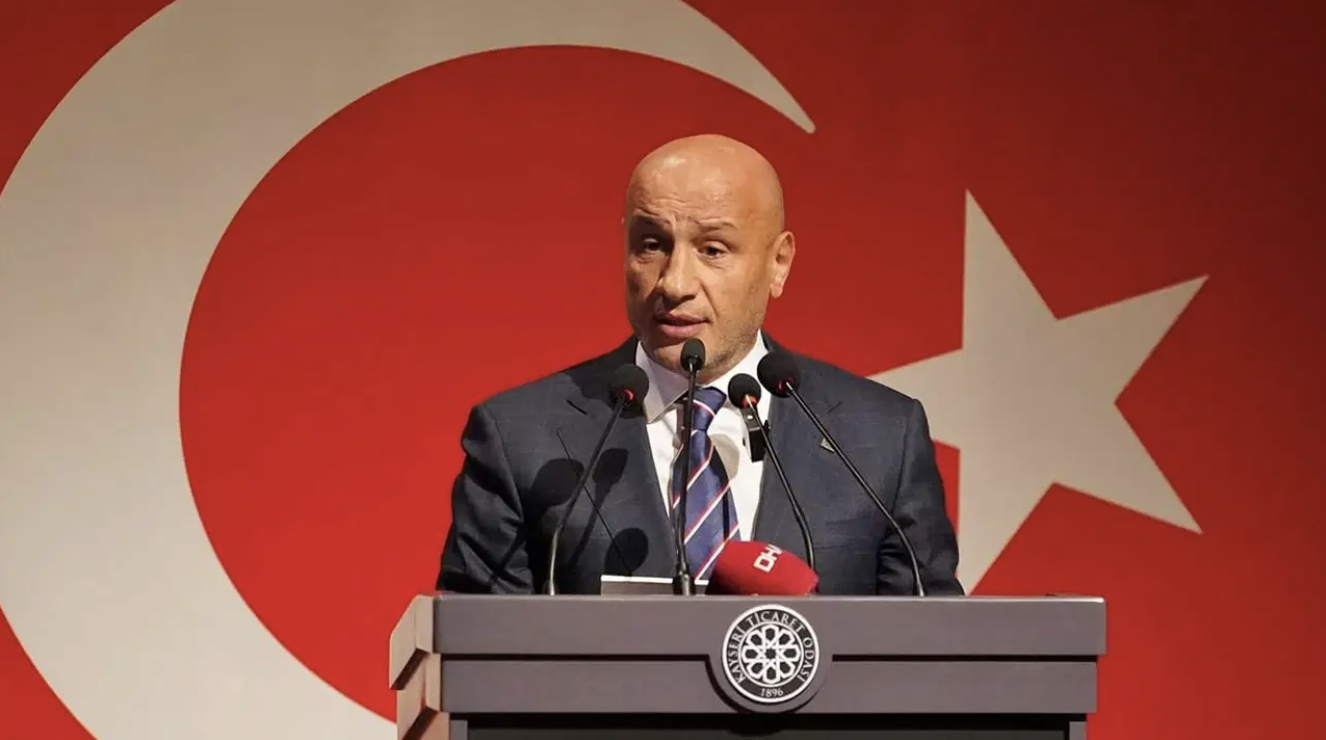
Turkey’s export sector, which managed a $4.5\%$ increase in 2025 despite global headwinds, has started 2026 on the back foot. January figures revealed a 3.9% contraction, with exports falling to $20.3 billion, according to data released in Ankara by Trade Minister Prof. Dr. Ömer Bolat and Turkish Exporters Assembly (TİM) Chairman Mustafa Gültepe.
Despite a favorable currency parity contribution of $1.1 billion, the downturn marks a sobering start for a year in which Turkey aims to hit a total export target of $410 billion (comprising $282 billion in goods and $128 billion in services).
Sectoral Performance: Automotive Remains the Frontrunner
The automotive sector continues to be the engine of Turkish exports, maintaining its top position even as the broader landscape shifts. Out of 26 sectors, only 10 managed to increase their export volume this month.
| Sector | Export Value (January 2026) |
| Automotive | $3.1 Billion |
| Chemicals | $2.3 Billion |
| Electric & Electronics | $1.342 Billion |
| Ready-to-Wear Apparel | $1.341 Billion |
| Steel | $1.085 Billion |
Key Export Dynamics at a Glance
-
Top Destinations: Germany, the USA, the United Kingdom, Italy, and Iraq led the list of buyers.
-
Geographic Reach: Exports increased to 112 countries but declined in 107 others.
-
Regional Leaders: Istanbul, Kocaeli, Bursa, Ankara, and Izmir remain the top exporting hubs.
-
Unit Value: The average export value per unit stood at $1.54.
Challenges: Costs and Global Protectionism
TİM Chairman Mustafa Gültepe highlighted that exporters are grappling with a “heavy burden.” Rising costs in labor, energy, and raw materials are squeezing margins while global protectionism is building new walls.
“We have only seen very limited growth over the last three years,” Gültepe noted. “Beyond rising internal costs, the global arena is not moving in our favor. Geopolitical risks are rising, and market entry conditions are becoming more stringent.”
The “Mercosur and India” Threat
Gültepe expressed specific concern over the European Union’s recent Free Trade Agreements (FTAs) with Mercosur (South American bloc) and India. These deals pose a dual threat to Turkish industry:
-
Market Loss: Turkey may lose its competitive edge in its largest market, the EU.
-
Trade Imbalance: Products from India and South America could enter Turkey duty-free via the EU, bypassing local protections.
He warned that sectors like apparel, automotive, jewelry, and machinery are particularly vulnerable and called for an urgent update to the Customs Union agreement.
Turkey’s Trade Minister: EU-India Deal Poses No Threat to Customs Union Resilience
The Strategy: “TIM Vision Delegations”
In response to these challenges, TİM is shifting its strategy to search for new markets. The 2026 program includes “New Generation TIM Vision Delegations,” which move beyond simple B2B meetings to include sectoral panels with key global players.
Following a mission to Ethiopia in January, delegations are scheduled for Morocco, Tanzania, Azerbaijan, and Germany in February as Turkey seeks to diversify its trade footprint and safeguard its ambitious 2026 targets.