The Islamabad Deadlock: Direct US-Iran Talks Enter Critical “Expert Phase” Amid Sabotage Fears
 islamabad talks
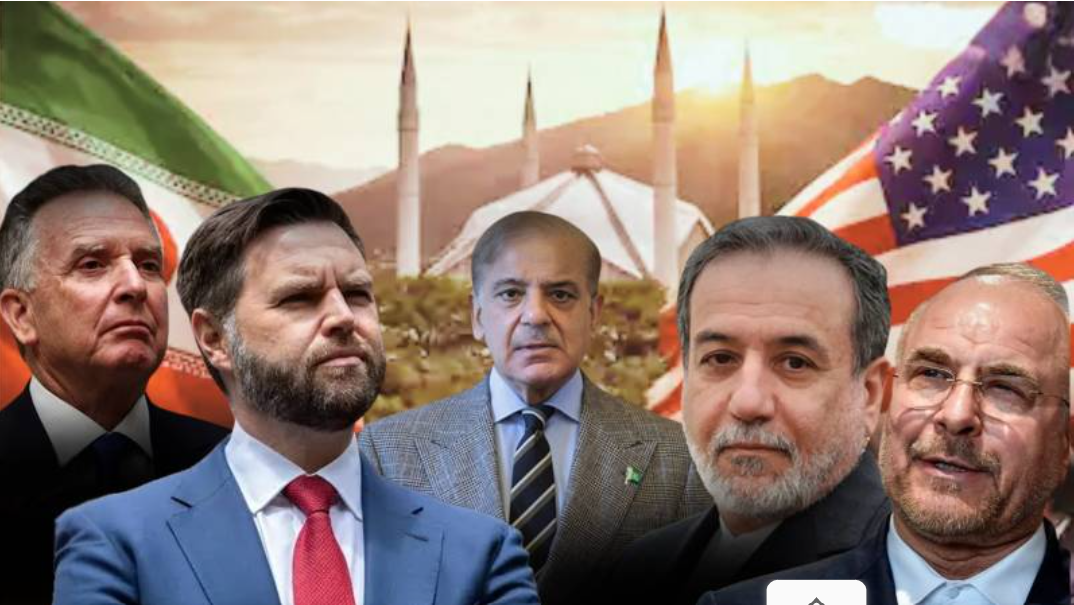
ISLAMABAD — The diplomatic marathon in Pakistan’s capital has moved into a high-tension “text exchange” phase as negotiators from Washington and Tehran struggle to convert a fragile two-week ceasefire into a durable peace. While Pakistan’s Law Minister, Azam Nazeer Tarar, confirmed that talks may extend beyond Saturday if engagement remains “positive,” the technical reality on the ground suggests a deepening stalemate.
What began as historic face-to-face negotiations facilitated by Prime Minister Shehbaz Sharif has now splintered into four specialized committees: economic, military, legal, and nuclear. Despite the optics of progress, the core issues—the Strait of Hormuz and the unfreezing of Iranian assets—remain “points of serious disagreement.”
The “Sequentiality Trap”: Who Blinks First?
The primary obstacle to a breakthrough is a fundamental disagreement over the order of operations, a deadlock analysts are calling the “Sequentiality Trap.”
-
The Iranian Mandate: Tehran is demanding the immediate release of $30 billion in assets currently frozen in South Korean and Qatari banks. Iranian state media (IRIB) claims the U.S. has signaled a willingness to comply, though senior U.S. officials have issued sharp denials.
-
The U.S. Mandate: The Biden-Vance administration, bolstered by a “Truth Social” narrative from Donald Trump claiming Iran is “losing big,” is insisting on a “Verification First” model. This would require Iran to disable specific missile sites and grant IAEA inspectors full access before a single dollar is unfrozen.
The Hormuz Tinderbox
The Strait of Hormuz remains the conflict’s most volatile flashpoint. While Donald Trump posted that the U.S. military is “clearing out” the waterway as a “favor to the world,” Iran’s Tasnim news agency insists the blockade remains a non-negotiable leverage point. The U.S. Navy’s claims of mine-clearing operations have been met with flat denials from Tehran, creating a dangerous information vacuum that threatens the ceasefire daily.
Allegations of Israeli Sabotage
The talks are being conducted against a backdrop of intensifying kinetic action. Pakistani Foreign Minister Ishaq Dar and other regional officials have pointed to a surge in Israeli military activity as a deliberate attempt to torpedo the Islamabad process.
-
Beirut Strikes: Even as delegations met, the IDF reported striking over 200 Hezbollah targets within 24 hours.
-
Diplomatic Friction: Tensions between the host nation and Israel reached a breaking point after Pakistan barred Israeli media from the summit. This move, combined with Defense Minister Khawaja Asif’s deleted social media posts calling Israel “evil,” has led Prime Minister Netanyahu’s office to openly question Pakistan’s neutrality as a mediator.
Minor Wins: The “Logistical Consensus”
While a “Grand Bargain” remains elusive, negotiators have reportedly reached verbal agreements on three minor, yet vital, items to maintain the current calm:
-
The “Islamabad Link”: A direct military-to-military hotline to prevent accidental naval skirmishes in the Persian Gulf.
-
Humanitarian Corridors: A tentative agreement to allow UN-monitored aid into the Ahvaz and Khuzestan sectors.
-
Medevac Protocols: A structured exchange for critically wounded non-combatants and foreign nationals.
Analysis: The “May 1st” Pressure Cooker
Mediators from Turkey, Qatar, and Pakistan are racing against a “May 1st” deadline—a period of significant religious and national holidays—to secure at least a “Technical Pause.” However, with the regional economy hemorrhaging and “Warflation” driving global oil prices toward $112 per barrel, both sides seem convinced that time might be on their side.
The Outlook: The probability of a formal, signed ceasefire agreement remains Low to Moderate (25-30%). Investors and regional leaders should expect a “Joint Statement of Intent” by Monday—a document likely to be heavy on diplomatic jargon but light on the binding signatures required to permanently reopen the world’s most important energy artery.
BBC, Al Jazeera, Middle East Monitor, PA Turkey newsdesk