Social Dynamics in Türkiye Evolve Amid Migration: FT
 Istanbul Housing
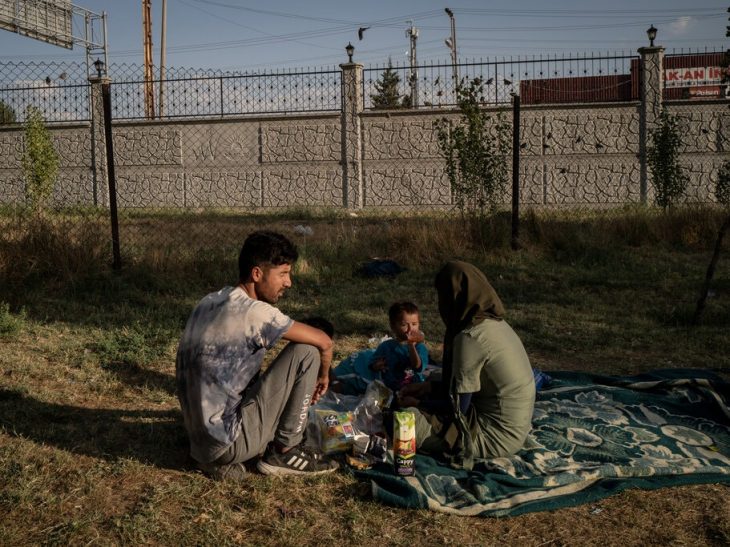
A recent Financial Times analysis explores the intricate social fabric of Istanbul’s Karagümrük neighborhood, using it as a “social laboratory” to understand broader shifts in social dynamics in Türkiye. The report examines the complex relationships between Turks, Kurds, and Syrians, noting a paradox where residents provide essential daily help to refugees—such as securing utility connections or school enrollments—while simultaneously expressing sharp, discriminatory rhetoric. This friction highlights a deeper transformation of national identity, caught between traditional secular-nationalist perspectives and the religious solidarity discourse often promoted by the current administration.
Urban Transformation as a Tool for Identity
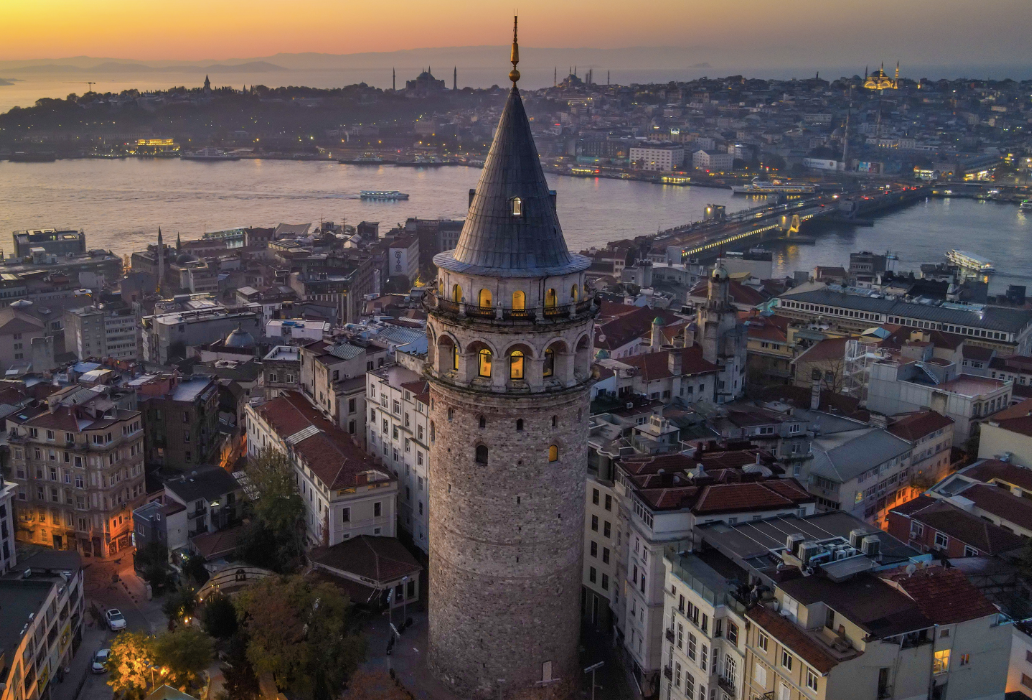
The evolution of social dynamics in Türkiye is also closely tied to the physical reshaping of its cities. The article details how Istanbul’s landscape has been redefined through massive infrastructure projects, tünnels, mega-mosques, and shopping malls. This process is analyzed not merely as economic development, but as a strategic effort by conservative segments of society to establish a new cultural and political power base within the urban environment. However, this rapid “concrete-heavy” growth has come at a cost, leading to the depletion of green spaces, the disruption of traditional neighborhood textures, and forced displacements.
Geopolitical Crisis and Political Consolidation
The 2010s marked a turning point for the nation, as regional crises like the Arab Spring, the Syrian Civil War, and the rise of ISIS pushed the country into the center of global turmoil. The Financial Times suggests that these events, culminating in the 2016 coup attempt, fundamentally altered the political atmosphere. Since then, the centralization of power has led to tighter control over state institutions, media, and civil society. This era is characterized by a “geopolitical hardening” that has directly affected Türkiye’s internal social dynamics, intensifying the focus on security and the concentration of authority within the presidential system.
Economic Fatigue and the Future of Migration
By early 2026, the long-term effects of economic volatility and social exhaustion had become the defining features of local life. In neighborhoods like Karagümrük, once-staunch supporters of the government now voice despair over inflation and the aftermath of major earthquake disasters. Interestingly, following the fall of the Assad regime in Syria, a trend of “reverse migration” has begun, with some refugees returning home.
Paradoxically, the report notes that while some Syrians depart, an increasing number of Turkish citizens are expressing a desire to seek lives elsewhere. This dual movement signifies a new and uncertain chapter in the ongoing story of Türkiye’s identity and global standing.
Related articles
Turkish Worker Arrested After Protest Banner and Phone Thrown at Erdoğan Rally
Turkey turns against refugees during the rise of nationalism
Syrian refugees consider ‘going back’ due to Turkish economic crisis