Şimşek Says Disinflation Has Spread Across Economy as 2025 Inflation Falls
 mehmet-simsek
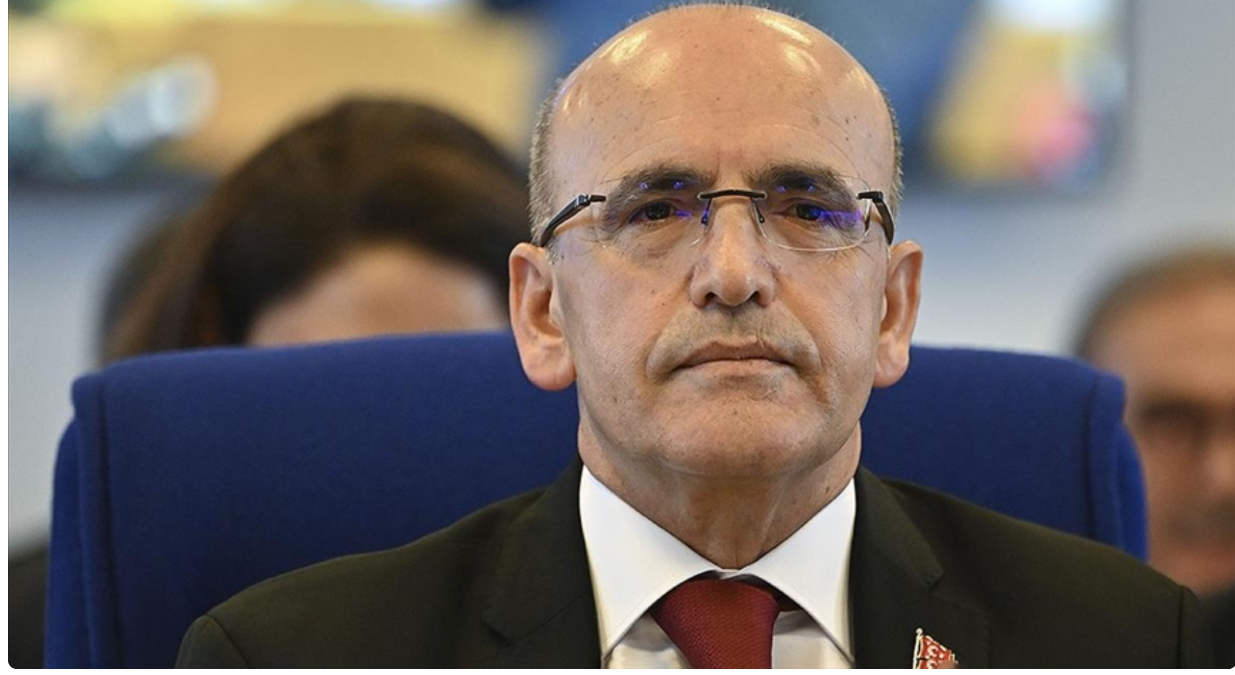
Turkey’s Treasury and Finance Minister Mehmet Şimşek has offered a detailed assessment of the latest inflation figures, stressing that the country’s disinflation process has become broad-based and increasingly visible across key sectors of the economy. Following the release of December inflation data, Şimşek shared his evaluation on social media, highlighting a significant year-on-year slowdown and outlining factors expected to support further progress in 2026.
According to Şimşek, year-end inflation in 2025 declined by 13.5 percentage points from the previous year, settling at 30.9%. He emphasized that this improvement was not limited to a narrow set of prices but instead reflected a generalized easing across multiple components of inflation, signaling a more structural shift rather than a temporary correction.
“2025 year-end inflation decreased by 13.5 points compared to the previous year to 30.9%, and disinflation has spread across the economy.”
Core Goods and Food Inflation Show Diverging Dynamics
Şimşek highlighted that core goods inflation—a key indicator of underlying price pressures—fell to 17.7% on an annual basis, reinforcing the view that domestic demand conditions and pricing behavior are becoming more balanced. This development is seen as particularly important by policymakers, as core goods inflation tends to be less volatile and more responsive to monetary tightening.
Food inflation, however, remained elevated relative to other components. Despite this, Şimşek underlined that the outcome was notable given adverse supply-side shocks in agriculture.
“Annual inflation stood at 17.7% in core goods and 28.3% in food, despite the contraction in agricultural production caused by frost and drought.”
The reference to frost and drought underscores the impact of climate-related risks on food prices, an area where monetary policy has limited direct influence. Even so, the moderation compared to previous periods suggests that broader disinflationary forces are beginning to offset supply constraints.
Services Inflation Sees a Marked Decline
One of the most striking points in Şimşek’s assessment was the sharp slowdown in services inflation, traditionally one of the most persistent and challenging components to tame. He noted that annual services inflation dropped by 21.7 percentage points, reaching 44% by the end of 2025.
This decline was driven by easing price pressures across major service categories, particularly rent and education, which had previously been among the strongest contributors to overall inflation.
“With declines across all main service groups, especially rent and education, annual services inflation fell by 21.7 points to 44%.”
Economists often view service inflation as closely linked to expectations and wage dynamics. As such, the slowdown is interpreted as a sign that inflation expectations are beginning to realign, supporting the credibility of the broader economic program.
Outlook for 2026: Multiple Factors Supporting Disinflation
Looking ahead, Şimşek outlined a range of domestic and global factors that are expected to reinforce the disinflation trend in 2026. He stressed that progress will not rely on a single policy lever but on a comprehensive and coordinated framework.
Among the external factors, Şimşek pointed to supportive global financial conditions and moderate commodity prices, both of which could help ease cost pressures for an import-dependent economy like Turkey.
On the domestic front, he emphasized the continued role of tight monetary policy and strengthening fiscal discipline, alongside pricing decisions aligned with official inflation targets.
“In 2026, supportive global financial conditions and moderate commodity prices, tight monetary policy, strengthening fiscal discipline, price adjustments in line with inflation targets, improved expectations, and supply-side policies will contribute to disinflation.”
This combination reflects the authorities’ strategy of balancing demand management with structural and supply-oriented measures, particularly in areas such as food, housing, and energy.
Price Management and Expectations Remain Central
Şimşek’s comments also drew attention to the role of managed and guided prices, which have been a sensitive issue in recent years. He indicated that future price adjustments in regulated areas will continue to be set in harmony with inflation targets, helping prevent second-round effects that could undermine progress.
Equally important, he highlighted the ongoing improvement in expectations, a factor often cited as critical to achieving durable price stability. As households and businesses become more confident that inflation will continue to fall, pricing behavior and wage negotiations tend to become more restrained.
Commitment to the Inflation-Fighting Program
Concluding his assessment, Şimşek reaffirmed the government’s determination to stay the course until the ultimate objective of price stability is achieved. He stressed that the economic program will continue to be implemented with resolve, regardless of short-term challenges.
“We will continue to implement our program decisively until our ultimate goal of price stability is achieved.”
This message aligns with recent statements from other economic authorities, reinforcing the narrative of policy continuity and coordination as Turkey enters 2026. While inflation remains high by international standards, the sharp year-on-year decline and broad-based easing have strengthened confidence that the disinflation process is gaining traction.
Related articles
Turkey Inflation Expectations: Year-End Forecast at 32%
Diverging Inflation Expectations: What Household and Real Sector Data Reveal in Turkey

Rising Food Inflation Hits Poultry Sector as Cost Pressures Mount