Pro-Government Business Group MÜSİAD Warns of “Cost Crisis,” Says Industry Withering
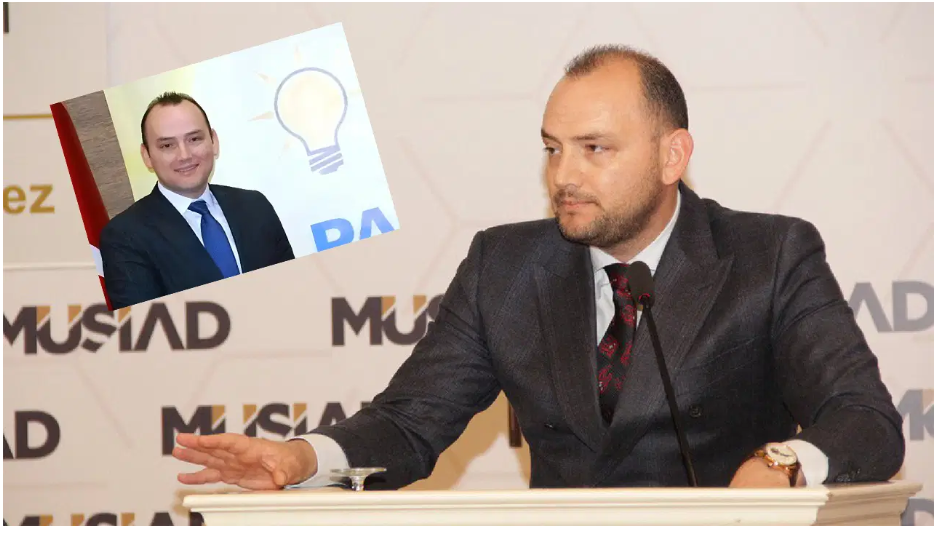 burhan ozdemir musiad
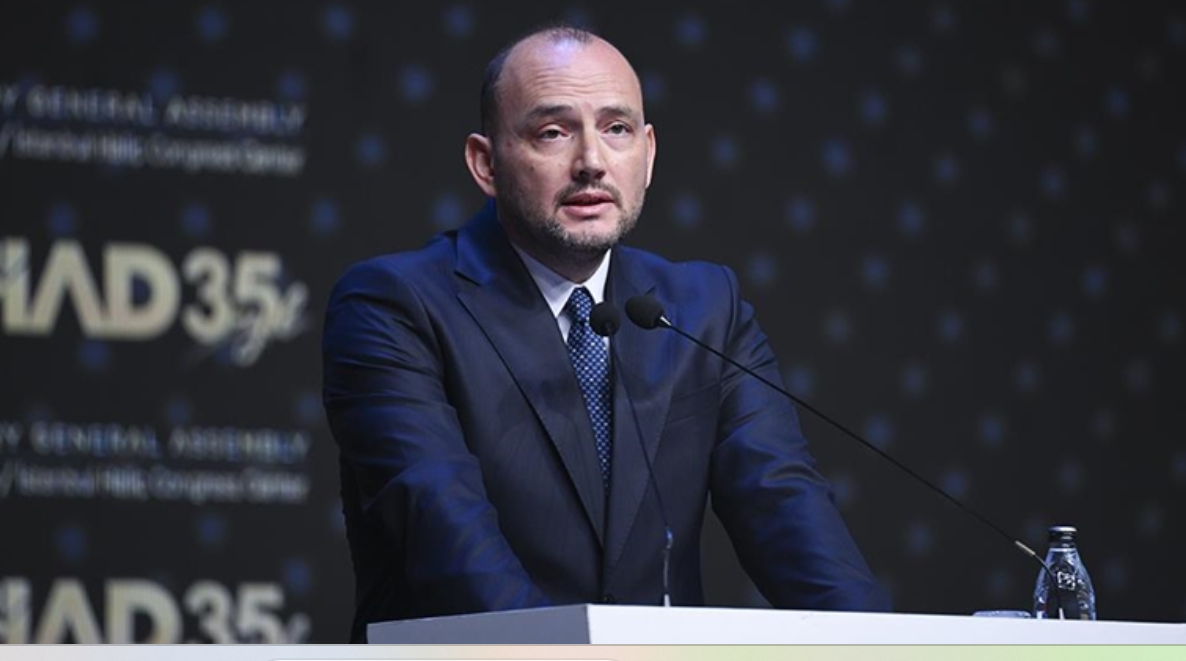
Burhan Özdemir, head of the pro-government business association MÜSİAD, has criticized Turkey’s pricing system and called for structural reforms to tackle inflation. He warned that high financing costs, unregulated price dispersion, and idle industrial capacity are weighing on production, urging coordinated policy action across economic ministries.
“No Cost-Based Pricing in Turkey”
Burhan Özdemir, chairman of the Independent Industrialists’ and Businessmen’s Association (MÜSİAD), said Turkey lacks effective oversight of pricing mechanisms and does not operate a cost-based pricing system.
“People don’t even ask what it costs to produce a kilogram of ice cream,” Özdemir said in an interview with journalist Şehriban Kıraç. “Drinking the same tea for 500 lira in one place and 5 lira in another is not normal. There is no such price gap anywhere else in the world. Yet there is no meaningful inspection or study addressing this gap.”
He argued that authorities should systematically analyze the cost structure of basic goods, adding: “Why are we not studying the cost of a simple plate of rice?”
Structural Problems in Inflation Fight
Özdemir said Turkey has moved beyond the stage where inflation can be tackled solely through tight monetary policy and central bank measures.
According to him, while the past two to three years of tight monetary policy have helped eliminate pre-election cost distortions and speculative “froth,” further belt-tightening and credit restrictions will not be sufficient. He described inflation as increasingly structural in nature.
Although inflation in goods and commodities has eased, rental and food prices remain sticky, he noted. A lasting solution, he said, requires coordinated action among the ministries of Industry, Agriculture, Trade, and Treasury and Finance.
Özdemir expects year-end inflation to come in between 23% and 25%, warning that February data could remain elevated due to seasonal effects during Ramadan.
Financing Costs Squeeze Companies
Özdemir highlighted high financing costs as the biggest challenge facing businesses. While access to credit remains technically possible, borrowing costs are elevated, he said.
He also questioned the recent surge in companies seeking funding through public offerings, suggesting that reliance on IPOs is not a sustainable solution.
At the same time, he called for support mechanisms to protect productive firms experiencing temporary financial strain, while urging closer scrutiny of companies with low operational volume but high reported turnover.
Turkey’s Agricultural Producer Prices Jump 43pct Annually in January
Idle Capacity in Industry
The MÜSİAD chairman warned that many factories across Turkey are operating below full capacity. He said new investments should not be prioritized before existing capacity is fully utilized.
“Building multiple factories to produce the same product leads to a waste of resources,” Özdemir said, advocating for more strategic investment planning under state oversight.
He also pointed to the declining share of industry in national income and emphasized the importance of industrial employment and supporting skilled white-collar engineers.
Criticism From Pro-Government Circles
Özdemir’s remarks come amid broader criticism of economic management from circles traditionally aligned with the government.
The pro-government daily Yeni Şafak previously criticized Finance Minister Mehmet Şimşek over tight monetary policy, highlighting business demands for lower interest rates and easier access to credit.
Commentary in the newspaper argued that current policies have contributed to inflation and financial speculation. Observers linked the paper’s sharper tone to the impact of high interest rates and currency volatility on companies affiliated with the Albayrak Group.
Broader Implications
Özdemir also warned about China’s growing dominance in sectors such as automotive, steel, and electronics, cautioning that failure to adopt structural industrial policies could weaken Turkey’s manufacturing base.
His comments underscore growing debate within pro-government business circles about the sustainability of current macroeconomic policies, particularly as inflation remains elevated and financing costs continue to pressure the real economy.
PA Turkey intends to inform Turkey watchers with diverse views and opinions. Articles on our website may not necessarily represent the view of our editorial board or count as endorsement.
Follow our English YouTube channel (REAL TURKEY):
https://www.youtube.com/channel/UCKpFJB4GFiNkhmpVZQ_d9Rg
Twitter: @AtillaEng
Facebook: Real Turkey Channel: https://www.facebook.com/realturkeychannel/