Peace Commission Report: Virtue Signaling or Roadmap for Democratization?
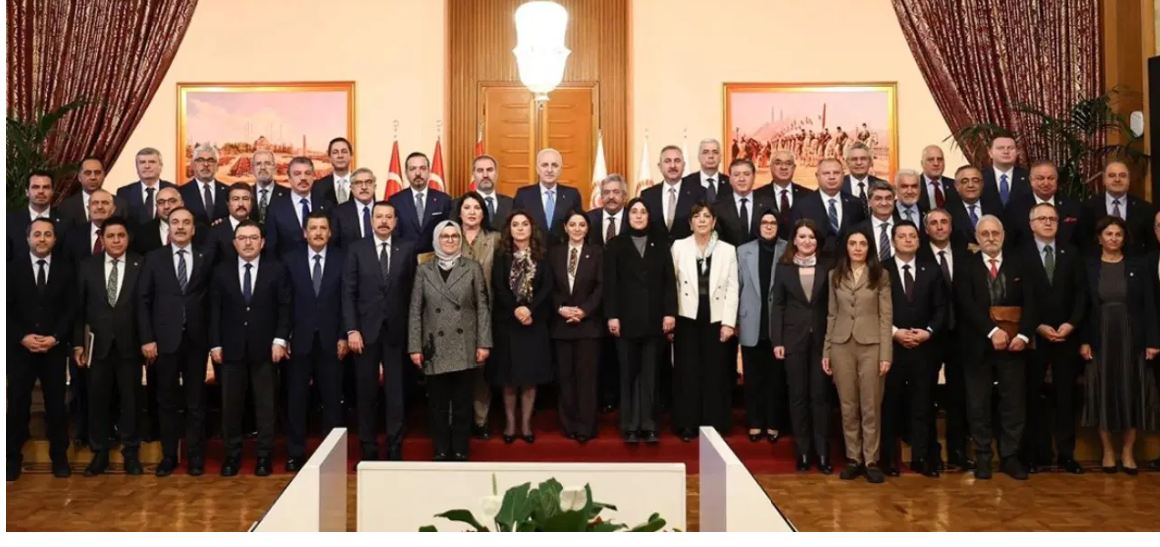 baris komisyonu
By Gökçer Tahincioğlu, T24 and Cumhuriyet Daily
Summary:
A parliamentary commission report on “National Solidarity, Brotherhood and Democracy” has been adopted with broad support, proposing reforms on trusteeship practices in municipalities, implementation of European court rulings, freedom of expression, and criminal justice reform. While some measures appear likely to move forward, analysts question whether the government views the process as structural democratization or merely a limited, tactical adjustment.
Report Adopted with Broad Support
The report prepared by the National Solidarity, Brotherhood and Democracy Commission was approved with 47 votes in favor, two against, and one abstention.
Among its key recommendations are:
-
Ending the practice of appointing state trustees (kayyım) to municipalities
-
Strengthening freedom of assembly and expression
-
Ensuring full compliance with rulings of the European Court of Human Rights (ECHR) and Türkiye’s Constitutional Court (AYM)
However, certain symbolic omissions in the text have drawn attention.
Historical Framing Raises Questions
In discussing “Turkish-Kurdish brotherhood,” the report refers extensively to the Seljuk and Ottoman periods but makes no explicit reference to the Republic era.
It describes Turks and Kurds as “co-owners of the same geography, citizens of the same country, heirs to the same civilization and culture,” emphasizing shared history and solidarity. Critics argue that bypassing the Republican period may reflect a selective historical framing.
Ending Trustee Appointments
One of the most closely watched proposals concerns the controversial trustee (kayyım) system.
The report suggests that if a mayor is removed under legal grounds, a replacement should be elected by the municipal council rather than appointed by the Interior Ministry.
The trustee practice has been a central issue in Kurdish-majority municipalities, particularly those governed by the pro-Kurdish DEM Party. Since the latest peace initiative began, no new trustee appointments have been made, making reform in this area more plausible.
Compliance with ECHR and Constitutional Court Rulings
The report emphasizes that Constitutional Court decisions are binding on all state institutions and highlights the importance of fully implementing ECHR judgments.
Although Türkiye’s overall compliance rate with ECHR rulings stands near 90%, critics note that high-profile political cases — including the Gezi trial and former HDP co-chair Selahattin Demirtaş — have exposed ongoing tensions with the Council of Europe.
The commission calls for stronger mechanisms to ensure full and consistent enforcement of both domestic and European court decisions.
Reforming Freedom of Assembly and Expression
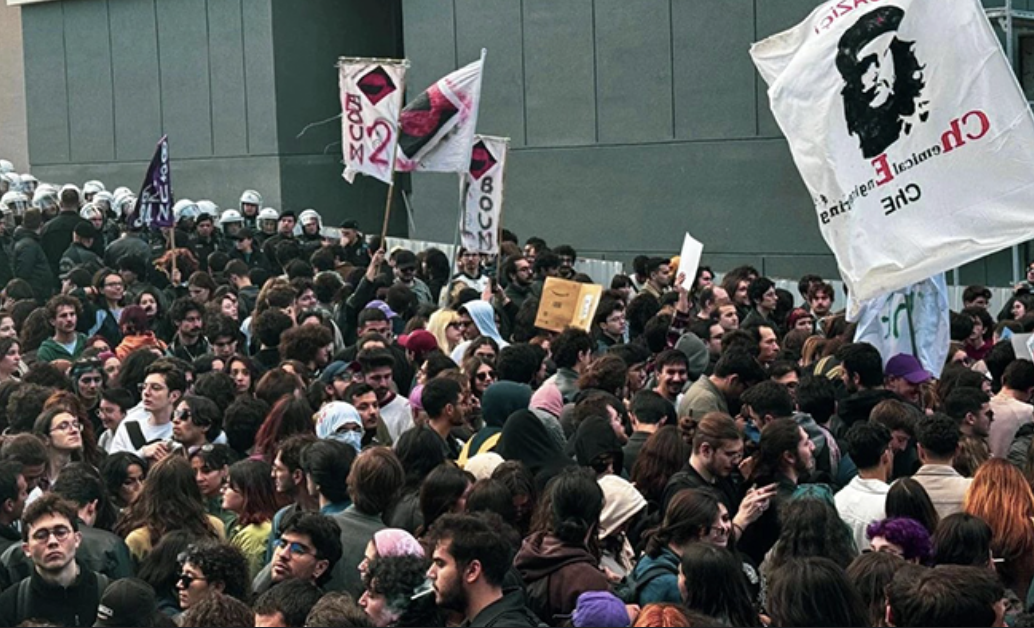
The report recommends revising the Law on Meetings and Demonstrations to better protect the essence of the right to protest.
It also proposes:
-
Ensuring that non-violent acts are not classified as terrorism
-
Revising the Penal Code and Anti-Terror Law to strengthen legal clarity and safeguard freedom of expression
Observers caution that similar reform pledges have been made in the past without significant changes in practice.
Criminal Justice and Prison Reform
Recommendations include:
-
Revisiting sentencing and parole regulations
-
Expanding consideration for elderly and ill prisoners
-
Strengthening the principle of trial without detention as the rule, with pre-trial detention as an exception
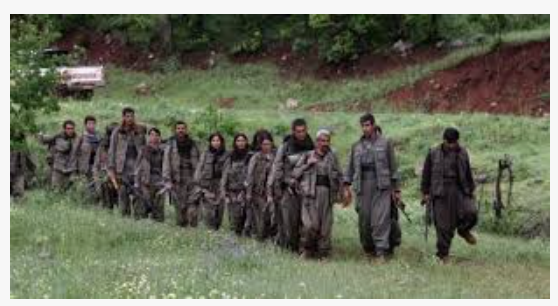
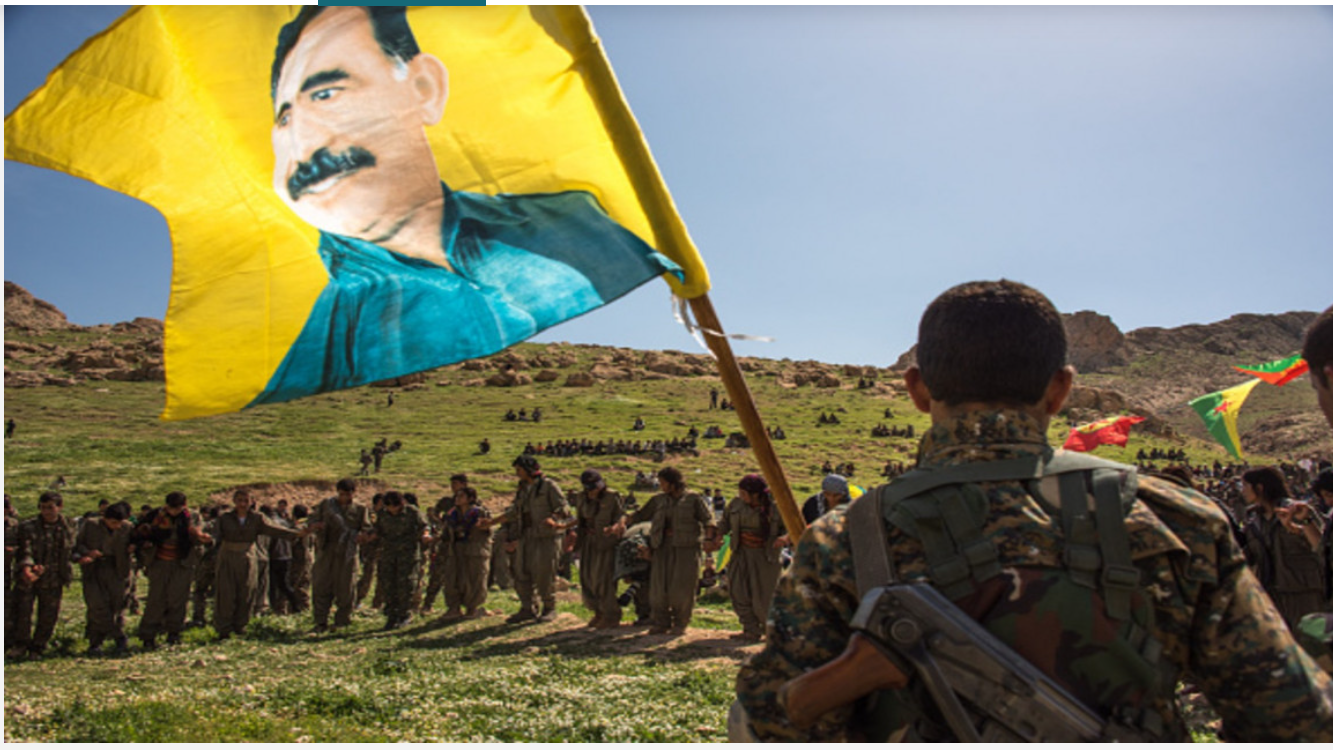
The report also signals possible legal arrangements to facilitate the return of PKK members who have laid down arms, alongside mechanisms to monitor compliance.
However, full dissolution and verifiable disarmament remain preconditions for broader withdrawal of security measures.
Expected vs. Uncertain Reforms
Likely Measures
Some reforms are widely seen as likely to move forward, including:
-
Legal adjustments regarding former PKK members’ return
-
Limited changes to enforcement law
-
Modifications to trustee procedures
Uncertain Measures
Other proposals are viewed more skeptically:
-
A new Political Parties Law and Election Law
-
A Political Ethics Law
-
Structural reform of prison administrative boards
-
Strict adherence to non-detention principles in politically sensitive cases
-
Comprehensive revision of anti-terror legislation
Critics argue that many of these reforms require not new laws, but consistent application of existing constitutional guarantees.
The Core Question: Tactical Step or Structural Shift?
The report includes recommendations that, if fully implemented, could signal normalization and democratic progress. However, the central question remains whether the government sees this process as:
-
A limited set of temporary adjustments, or
-
A structural transformation grounded in democratization
Previous peace efforts collapsed despite legal frameworks designed to protect participants. Skeptics warn that without a shift in political intent and institutional practice, reforms may prove partial or reversible.
Conclusion
The commission’s report outlines a broad reform agenda touching on municipal governance, judicial independence, freedom of expression, and criminal justice.
Some steps appear politically feasible in the short term. Others face significant institutional and political resistance.
While incremental progress is possible, the durability of reforms will ultimately depend on whether democratization is embraced as a structural necessity rather than a tactical accommodation.
PA Turkey intends to inform Turkey watchers with diverse views and opinions. Articles in our website may not necessarily represent the view of our editorial board or count as endorsement.
Follow our English YouTube channel (REAL TURKEY):
https://www.youtube.com/channel/UCKpFJB4GFiNkhmpVZQ_d9Rg
Twitter: @AtillaEng
Facebook: Real Turkey Channel: https://www.facebook.com/realturkeychannel/