Is Ankara Prepared for a Prolonged Iran War?
 rte iran war
As US–Israel strikes on Iran raise fears of prolonged conflict, Ankara is signaling diplomatic restraint publicly while quietly preparing for worst-case scenarios. Turkey’s primary concern is not direct war with Iran but the risk of mass displacement, border instability and regional fragmentation. Officials say mediation remains the first option — but contingency planning is already underway.
Foreign Ministry Warns of Regional and Global Risks
Ministry of Foreign Affairs of the Republic of Turkey said US and Israeli strikes on Iran endanger both regional and global stability, calling on all sides to halt military actions immediately.
In its official statement, the ministry said:
-
Any action violating international law and threatening civilians is deeply concerning.
-
Escalatory provocations must stop.
-
Regional disputes must be resolved through peaceful means.
-
Turkey is ready to contribute to mediation efforts.
The statement also emphasized that the safety of Turkish citizens in affected countries remains a top priority and that precautionary measures have been implemented.
Hakan Fidan Launches Intensive Phone Diplomacy
Following Iran’s retaliatory response, Foreign Minister Hakan Fidan conducted a series of calls with regional counterparts.
According to diplomatic sources, Fidan spoke with the foreign ministers of:
-
Iran
-
Iraq
-
Saudi Arabia
-
Qatar
-
Syria
-
Egypt
-
Indonesia
The discussions focused on recent developments and possible steps to prevent further escalation.
Ankara’s Core Fear: Mass Displacement
Behind the diplomatic messaging lies a deeper strategic anxiety: a large-scale refugee influx.
A retired Turkish ambassador said Turkey’s overriding concern is not war with Iran itself but the destabilizing effects of population movement.
“For Turkey, refugees are no longer only a humanitarian issue. They have become an existential one,” he said.
The experience of Syria continues to shape Ankara’s strategic thinking. Over the past decade, Turkey absorbed nearly four million Syrian refugees, creating lasting economic and political strain. Officials say that scenario must not be repeated.
Estimates circulating in Ankara suggest that a full-scale conflict in Iran could push as many as one million people toward the Turkish border — a figure Turkish policymakers describe as unacceptable.
Border Fortification and Containment Planning


Turkey’s 560-kilometer (348-mile) border with Iran has been heavily reinforced in recent years.
Security measures include:
-
Concrete border walls stretching hundreds of kilometers
-
Defensive trenches
-
Electronic watchtowers
-
Continuous drone surveillance
Officials stress that the open-border approach seen during the Syrian conflict will not be repeated.
Security analysts say Ankara is also evaluating contingency plans that could include establishing a limited buffer zone inside Iranian territory in the event of state collapse or uncontrolled escalation. The concept, described as “forward containment,” aims to stop population flows before they reach Turkish territory.
The Azerbaijani Turk Factor
An additional complexity is Iran’s large Azerbaijani Turk population, estimated at 20% to 30% of the country’s total.
Strong ethnic and cultural ties between Turkish and Azerbaijani communities could create domestic pressure if large numbers of Iranian Turks attempt to cross into Turkey. Analysts warn this would place Ankara in a difficult position, balancing security imperatives against moral and ethnic expectations.
A Quiet Regional Security Alignment
Turkey’s preparation is not solely military. Diplomatically, Ankara is working to anchor itself within a regional framework designed to prevent wider collapse.
Officials indicate growing coordination with:
-
Saudi Arabia
-
Egypt
-
Pakistan
The emerging cooperation is focused on containment rather than confrontation. According to diplomatic sources, the aim is to prevent regional fragmentation and manage instability collectively.
Notably absent from this alignment is the United Arab Emirates, which Turkish officials increasingly view as more tolerant of escalation.
This shift reflects a broader recalibration in Turkish foreign policy. Where previous regional blocs were shaped by ideological competition, the current approach emphasizes risk management, state preservation and preventing regime collapse.
Economic Considerations
An extended Iran conflict would also carry serious economic consequences for Turkey:
-
Rising oil prices
-
Increased energy import costs
-
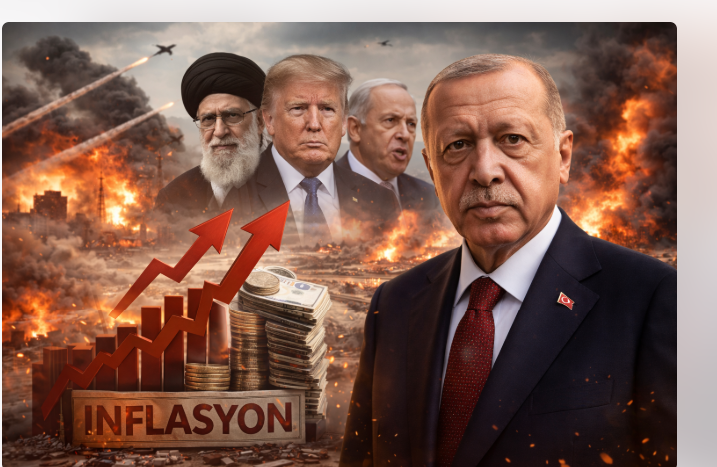
Additional inflationary pressure
-
Greater strain on the current account
These vulnerabilities add urgency to Ankara’s push for de-escalation while reinforcing the need for contingency planning.
Mediation First, Containment if Necessary
Turkey is betting that diplomacy can prevent war. Officials continue to emphasize mediation and dialogue as the primary path forward.
However, contingency planning suggests Ankara is preparing for the possibility that diplomacy fails. In that case, Turkey appears ready to:
-
Seal its borders
-
Expand forward security measures
-
Rely on regional coordination mechanisms
Turkey’s Iran policy remains deeply shaped by the trauma of the Syrian refugee crisis. The objective is clear: avoid being caught unprepared if instability spreads.