Inflation Rate in Turkey Forecaster: Istanbul Prices Surge 2.97pct
 inflation-in-Turkey
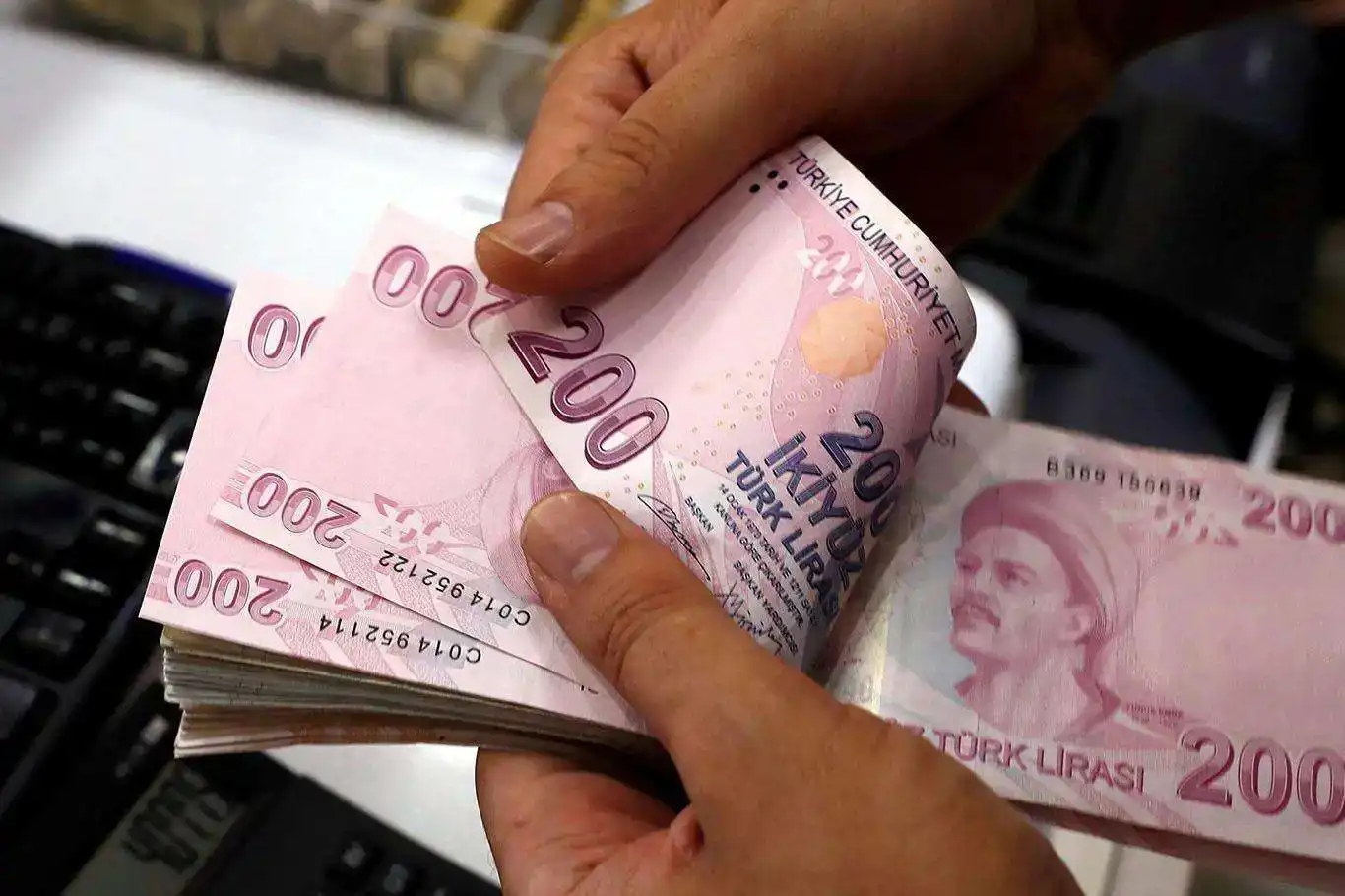
The latest data from the Istanbul Chamber of Commerce (İTO) has sent a clear signal to markets, as the city’s inflation figures are the most critical leading indicator of the inflation rate in Turkey. In March 2026, retail prices in the megacity climbed by 2.97% month-on-month. This surge has pushed annual inflation in Istanbul to 37.68%, largely fueled by a relentless series of fuel price hikes that have rippled through the local economy.
Transportation Becomes the “Inflation Champion” Amid Fuel Hikes
The inflation rate in Turkey is currently largely driven by energy costs. According to the İTO report, the Transportation group saw the highest monthly spike at 5.14%, earning the title of “price hike champion” for the month. Other sectors were not far behind; Health expenditures rose by 4.72%, while Alcoholic Beverages and Tobacco increased by 4.59%.
Even essential categories like Food and Non-Alcoholic Beverages recorded a 2.89% jump, partly due to lingering winter-season effects on supply chains. On an annual basis, the figures are even more staggering for residents, with Housing costs up by 60.38% and Education skyrocketing by 67.30% compared to the same time last year.
Inflation Rate in Turkey: Experts Warn of Disinflation Risks
Despite some fluctuations in regional data, financial experts remain cautious about the trajectory of Turkey’s inflation rate. Turkish economist and analyst İris Cibre noted that while a slowdown in rent increases is a positive sign, almost every expenditure group has risen compared to March 2025. This broad-based increase suggests that the country is not yet in a true “disinflation” phase.
Economists are now looking toward the upcoming TÜİK (Turkish Statistical Institute) national announcement. Historically, İTO figures—which focus solely on Istanbul’s high-cost environment—tend to run slightly higher than the national average. However, experts warn that April and May pose significant risks to price stability, as the cumulative impact of public-sector price adjustments and seasonal shifts continues to pressure the Turkish economy.
Related articles
Turkish Lira’s downfall: Currency plunges most since 2021

Week ahead: Turkish Markets Show Cautious Optimism Amid Political Stability
JPMorgan’s Key Forecast: How Long Will the CBRT Continue Cutting Rates?