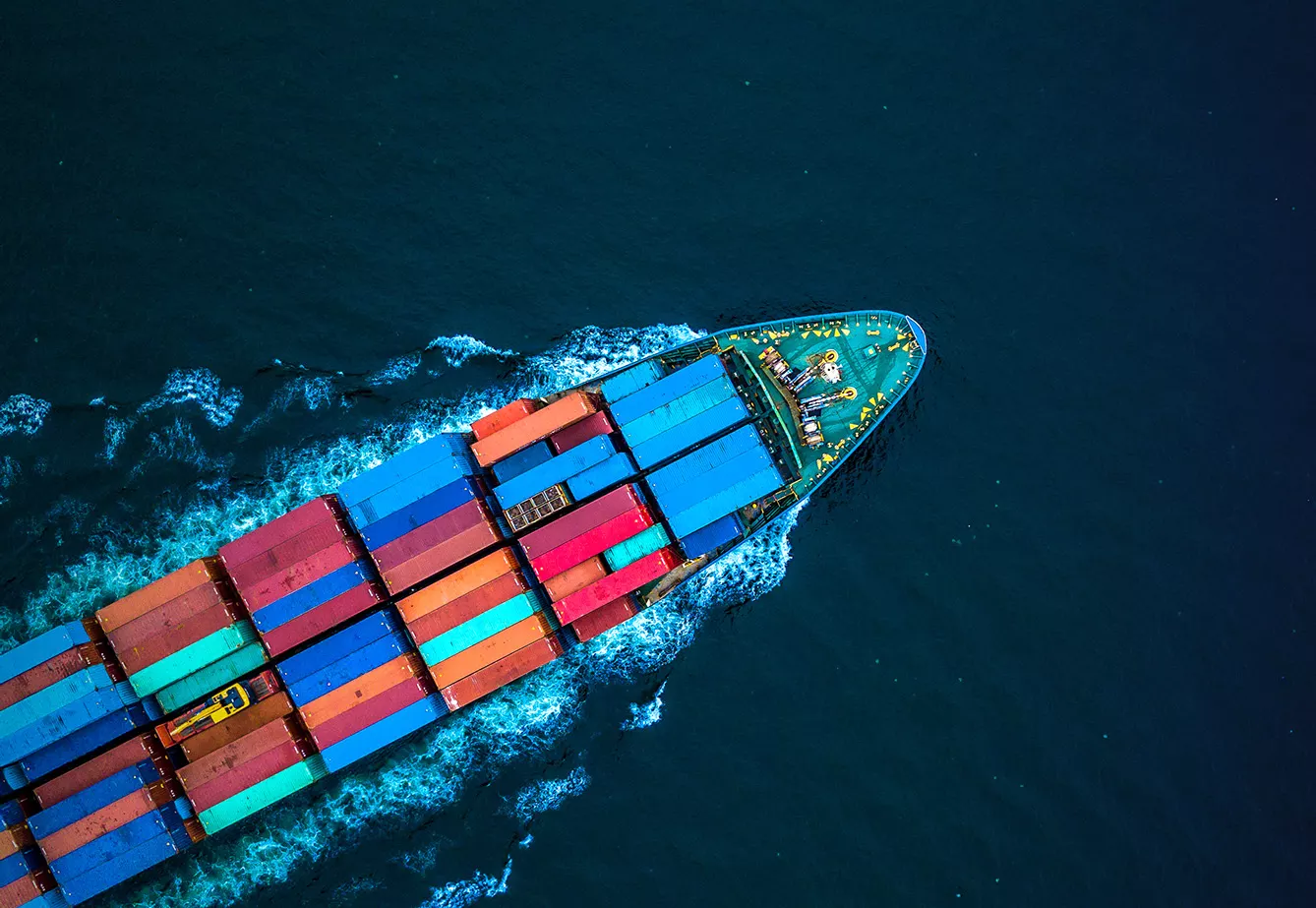
Hormuz “Doomsday Scenario” Raises Alarm for Türkiye’s Energy and Trade Ambitions
 hurmuz2
Analysts Warn Israel-Iran Escalation Could Reshape Regional Energy Corridors at Türkiye’s Expense
Rising tensions between the United States, Iran and Israel are fueling fears of a broader geopolitical confrontation centered around the Strait of Hormuz, with Turkish analysts warning that the crisis could directly threaten Türkiye’s strategic energy and trade ambitions.
Security sources and energy experts claim the growing instability in the Gulf is no longer merely about the Iran-Israel confrontation, but part of a wider struggle over control of future energy routes, logistics corridors and regional economic influence.
The debate has become increasingly important for Türkiye, which has spent years positioning itself as a key transit hub connecting Asia, the Middle East and Europe.
Türkiye’s Regional Energy Role Under Pressure
According to Turkish energy analyst Altuğ Karataş, the latest tensions may accelerate efforts to create alternative energy corridors that bypass Türkiye.
Karataş argues that Israel is seeking to strengthen plans linking Gulf energy resources directly to the Mediterranean through Israeli-controlled infrastructure, reducing the strategic importance of Turkish transit projects.
“The greater the tension around Hormuz, the greater the perception that existing energy transportation systems are fragile,” Karataş said. “This increases interest in alternative corridors and could weaken Türkiye-centered trade and energy projects.”
Analysts say Ankara has invested heavily in becoming a regional energy hub through pipelines, LNG infrastructure and transport corridors stretching from the Caucasus and Central Asia to Europe.
Any restructuring of Gulf energy logistics could therefore carry major geopolitical and economic consequences for Türkiye.
Türkiye Prepares New Maritime Claims Law as Eastern Mediterranean Tensions Rise
Fears of Attacks on Critical Infrastructure
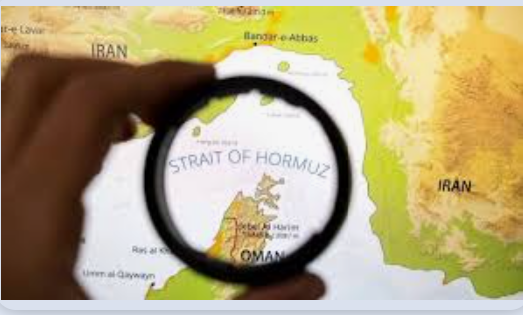
The warnings come as military tensions continue to escalate around the Strait of Hormuz, through which roughly one-fifth of global oil and LNG shipments normally pass.
Experts say potential targets in a wider regional conflict could include oil tankers, LNG terminals, export facilities and even undersea fiber-optic communication cables that carry a large share of global internet traffic.
Former BOTAŞ General Manager Gökhan Yardım warned that attacks on Gulf energy infrastructure could trigger both an environmental and economic catastrophe.
“If Iranian storage facilities become completely full because exports stop, production may have to shut down,” Yardım said. “Once those valves close, restoring full production capacity could take years.”
He added that any major attack on energy infrastructure in the Gulf could spark what he described as a “doomsday scenario” for global markets.
Oil Markets Remain Highly Sensitive
Recent military incidents around Hormuz have already pushed oil prices sharply higher and increased volatility across global financial markets.
Investors remain concerned that prolonged disruptions could reignite inflationary pressures worldwide, particularly in energy-importing economies such as Türkiye.
Türkiye imports the vast majority of its energy needs, making it highly vulnerable to sustained increases in oil and natural gas prices.
Rising energy costs could place additional pressure on inflation, the current account deficit and the Turkish lira, complicating Ankara’s broader economic stabilization program.
Israeli Media Claims Hamas Operatives Are Training in Türkiye for Future Attacks
Geopolitical Competition Intensifies
The latest claims also reflect intensifying competition over future trade and logistics routes across the Eastern Mediterranean and Gulf regions.
Türkiye has promoted several strategic projects in recent years, including the Middle Corridor linking Asia to Europe and energy cooperation initiatives spanning the Caspian basin, Iraq and the Eastern Mediterranean.
Analysts warn that prolonged instability around Hormuz could accelerate rival projects backed by Israel and some Gulf states, potentially altering the regional balance of economic power.
While no official evidence has emerged supporting claims of coordinated sabotage plans, the growing geopolitical uncertainty is already reshaping energy calculations across the region.
For Ankara, the crisis is becoming not only a security issue but also a direct challenge to its long-term ambitions of becoming a dominant regional energy and logistics hub.
Source: HalkTV
Related articles
OPINION: Through Riyadh and Cairo, Turkey Repositions Itself in the Arab World
Cyprus Back in the Spotlight: Rising Geopolitical Tensions Raise “Fait Accompli” Risks

Is Türkiye Becoming Lebanon’s New Iran?