Global Inflation Rankings Place Türkiye at the Top of Europe
 economy
The latest economic data has highlighted a stark reality in global inflation rankings, with Türkiye now holding the title of Europe’s highest inflation rate and the world’s fifth-highest. Following the April 2026 report from the Turkish Statistical Institute (TÜİK), which set the annual inflation rate at 32.37%, analysts are drawing comparisons between Türkiye and some of the world’s most volatile economies. The figures reveal that in just one month, Türkiye’s price increases exceeded the entire annual inflation of most European nations.
Türkiye’s Position on the World Stage
In the current global inflation rankings, Türkiye trails behind only four nations, reflecting a significant challenge for domestic fiscal stability. According to data from the Anka News Agency, the only countries with higher annual rates are:
-
Venezuela: 649%
-
South Sudan: 113%
-
Iran: 50% (amidst ongoing conflict)
-
Argentina: 32.6%
-
Türkiye: 32.37%
Notably, Türkiye is the only OECD member and the only G20 nation aside from Argentina to appear in the global top five, positioning its economic struggle as an outlier among major emerging markets.
The European Inflation Divide
Within Europe, Türkiye remains in a league of its own. While the average annual inflation across the European Union sits at a stable 2.3%, Türkiye’s rate is nearly 14 times higher. Its closest European peers, Romania (9.9%) and war-torn Ukraine (7.9%), still record figures significantly lower than Türkiye’s.
A striking point of comparison is that the annual inflation rates of 31 European countries are lower than the price increase Türkiye experienced in a single month, April (4.18%). Furthermore, Türkiye’s cumulative inflation for the first four months of 2026 (14.64%) has already surpassed the yearly totals of almost every other European state.
Implications for the Economic Roadmap
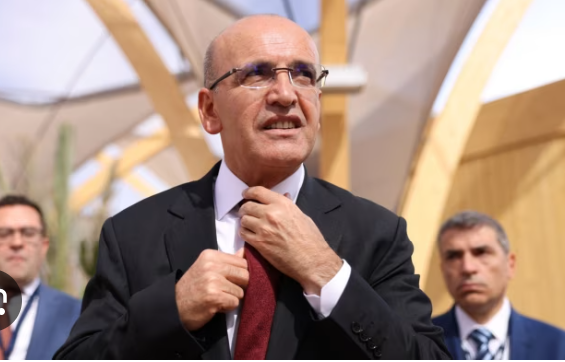
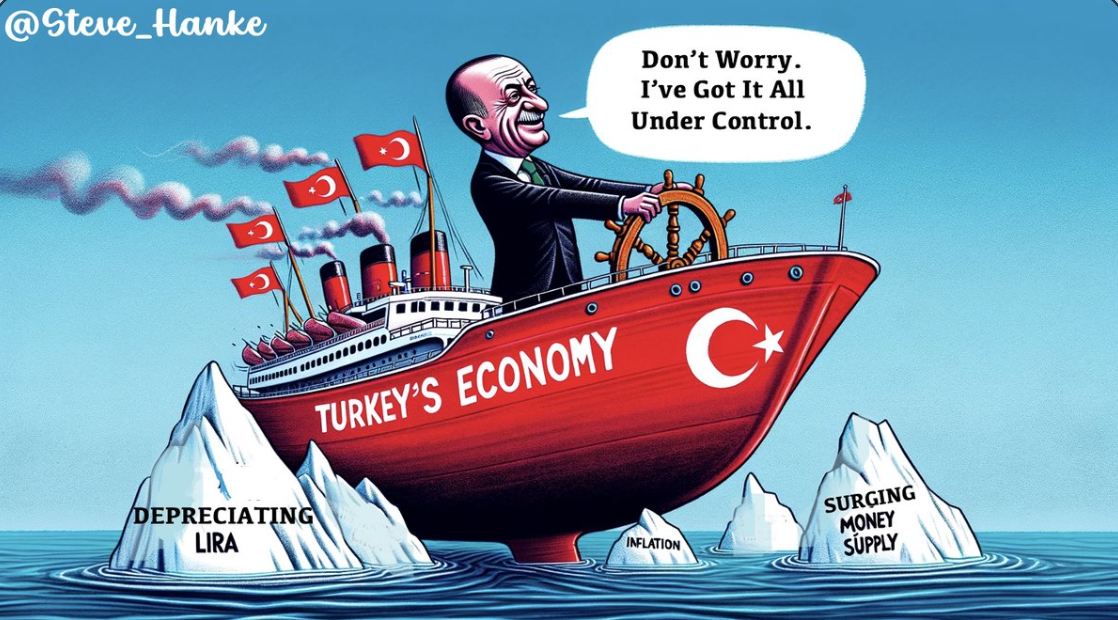
These global inflation rankings put intense pressure on the current economic administration. While Treasury and Finance Minister Mehmet Şimşek maintains that the disinflation process will take hold in the latter half of the year, the April surge has complicated the narrative. With prices in 123 countries rising less in a year than in Turkey in 30 days, the “wait-and-see” approach is being closely scrutinized by both domestic labor unions and international investors monitoring the country’s path toward price stability.
source: karar