Former VP Mike Pence: Religious Freedom Emerges as First Test for Syria’s Transitional Government
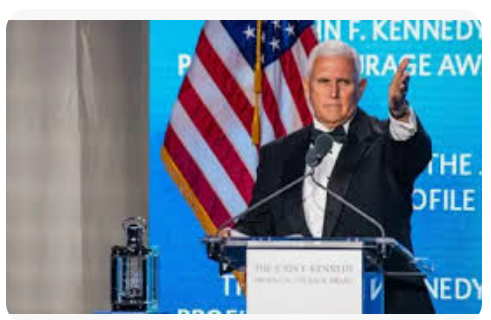 mike pence
Former U.S. Vice President Mike Pence has called on Syria’s transitional government, led by Ahmad al-Sharaa, to prioritize protections for religious minorities and Kurdish communities following the fall of Bashar al-Assad in December 2024. Writing in National Review, Pence argued that religious freedom will serve as the first major test of the new administration’s credibility and its prospects for international recognition.
Pence: Protecting Minorities Is the “First Test”
In a February 20 op-ed published in National Review, Mike Pence urged Syria’s transitional leadership to guarantee the safety and rights of Christians and Kurds in the post-Assad era.
Pence described the protection of vulnerable minorities as the “first test” for the fledgling government under Ahmad al-Sharaa. He argued that Syria’s path toward international legitimacy, including the potential lifting of U.S. sanctions, would depend heavily on whether the new leadership upholds religious freedom and minority rights.
Assad’s government collapsed on December 8, 2024, ushering in a fragile transitional period marked by political uncertainty and localized security challenges.
Church Bombing and Ongoing Fears
Pence pointed to a June 2025 church bombing that killed 25 worshippers as evidence that Christian communities remain vulnerable. Syria’s Christian population has significantly declined since the outbreak of civil war in 2011, driven by displacement, violence, and economic hardship.
Concerns have also been raised about lingering ISIS cells and the broader security vacuum in parts of the country.
Online discussions following Pence’s remarks reflected mixed reactions. Kurdish activists broadly agreed on the need for firm protections, while some Assyrian voices accused Kurdish factions of past abuses. Others warned that extremist networks remain active despite the territorial defeat of ISIS.
Kurdish Role in Anti-ISIS Campaign
Pence’s appeal also referenced the role of Kurdish-led forces in combating ISIS. The Syrian Democratic Forces (SDF), which worked closely with U.S. troops, were widely credited with protecting minority populations during the anti-ISIS campaign.
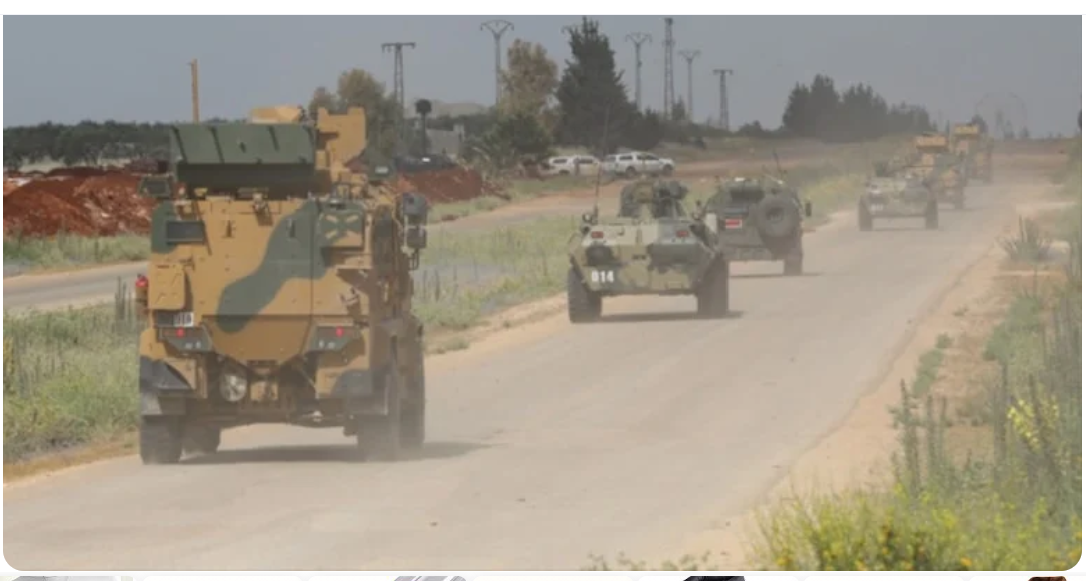
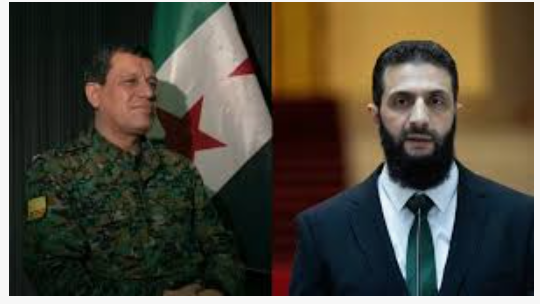
However, tensions persist between the new central authorities and Kurdish groups, particularly in northern Syria around Aleppo. Reports of intermittent clashes have fueled fears that unresolved disputes over autonomy and integration into national security structures could destabilize the transition.
Pence stressed that Kurds who fought alongside U.S. forces against ISIS must be guaranteed fair treatment and secure integration into Syria’s emerging state institutions.
Conditions for International Recognition
According to Pence, Syria’s transitional authorities must demonstrate a clear commitment to human rights and equal citizenship if they hope to gain diplomatic recognition and economic relief.
“Religious freedom,” he argued, “is the first test.”
The coming months will likely determine whether Syria’s new leadership can balance competing political pressures while reassuring minority communities that their rights and security will be protected in a post-Assad order.