Foreign Trade Deficit in Turkey Widens by 15.9pct in February 2026
 foreign trade
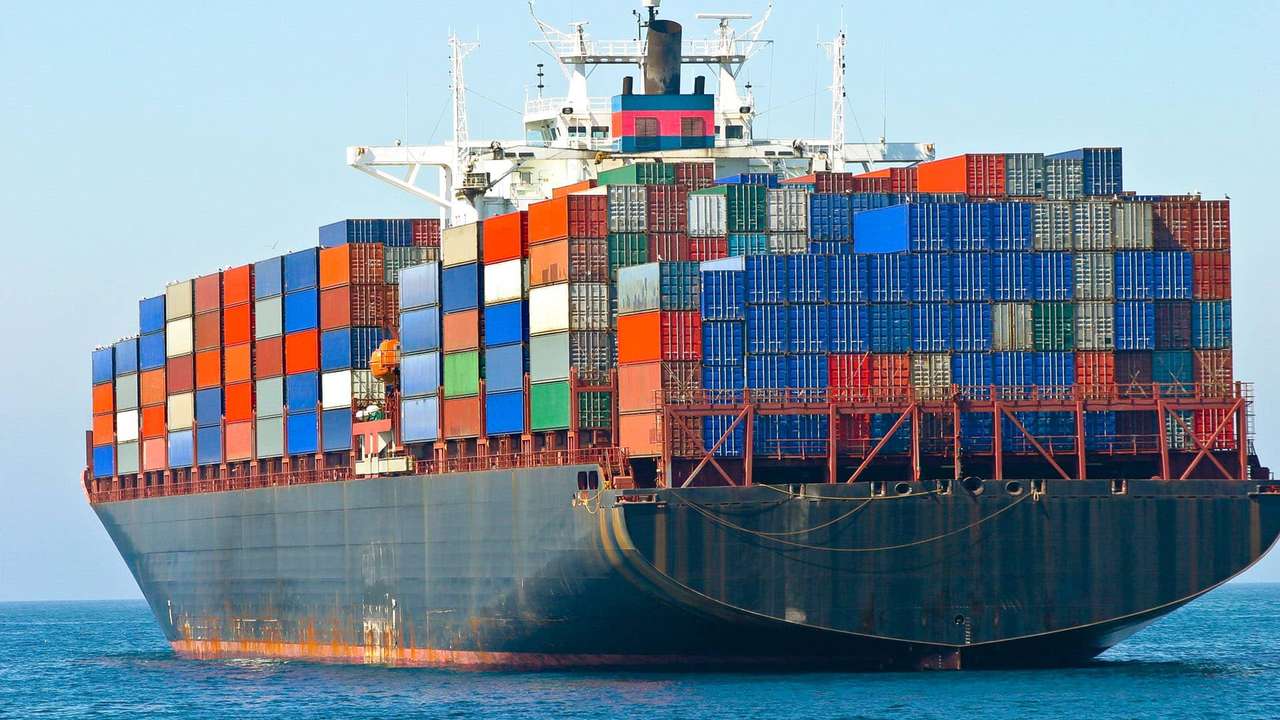
The latest joint report from the Turkish Statistical Institute (TÜİK) and the Ministry of Trade reveals a challenging start to the year for the nation’s balance of payments. In February 2026, Turkey’s foreign trade deficit surged 15.9%, rising from $7.79 billion to $9.03 billion. While exports saw a modest 1.5% increase to $21.05 billion, imports grew at a much faster pace of 5.5%, totaling over $30 billion. This disparity caused the export-to-import coverage ratio to drop from 72.7% last year to 70.0% this month.
Manufacturing Dominates Exports While Raw Materials Fuel Imports
Turkey’s industrial core remains the primary driver of its international sales. The manufacturing industry accounted for a staggering 93.8% of total exports in February, followed by agriculture and forestry at 4.0%. However, Turkey’s foreign trade deficit is heavily influenced by the nature of its imports. Intermediate goods (raw materials) made up 72.2% of all incoming shipments, indicating that Turkish production remains highly dependent on external inputs.
A deeper look at the technology intensity of these goods shows room for growth. High-tech products represented only 3.2% of manufacturing exports, whereas high-tech imports accounted for 11.2% of manufacturing imports. This “tech gap” remains a structural component of the ongoing trade imbalance.
Germany and China: Turkey’s Leading Trade Partners
The geographical distribution of trade highlights Turkey’s traditional strengths in Europe and its supply-chain reliance on Asia.
-
Top Export Destination: Germany retained its spot as the number one buyer, importing $1.85 billion worth of Turkish goods. The UK and the USA followed closely behind.
-
Top Import Source: China dominated imports with $4.12 billion, followed by the Russian Federation ($2.49 billion) and Germany ($2.21 billion).
The foreign trade deficit in Turkey becomes even more pronounced when excluding volatile items like energy and gold. Under these specific “core” conditions, exports rose by 4.4% while imports jumped by 12.8%. This suggests that even without the burden of global energy prices, domestic demand for foreign goods and industrial components is outstripping export growth.
Foreign Trade Deficit in Turkey: Outlook for Early 2026
The first two months of 2026 have set a sobering tone for the trade balance. During the January-February period, total exports decreased by 1.3%, while imports rose by 2.8%. This led to a cumulative 13.8% increase in the trade deficit compared to the same period in 2025. As the export-to-import coverage ratio declines, policymakers are likely to face increasing pressure to narrow the gap through higher-value manufacturing and reduced dependence on imported intermediate goods.
Related articles
Trade Minister highlights increasing US business interest in Turkey

Turkey’s Industrial Output Rises 2.9% Annually

Turkey’s Economic Renewal: Şimşek Outlines the Nation’s Path to Stability and Growth