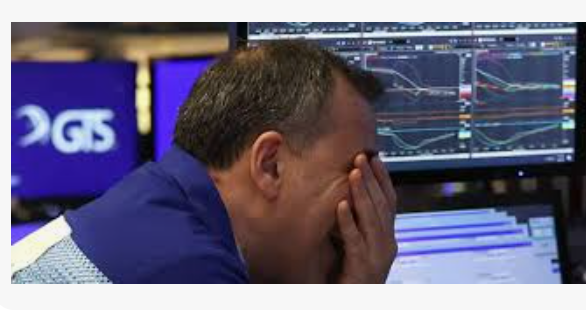
Experts Weigh In: Will the Sell-Off in Borsa Istanbul Continue?
 borsa ayı pazarı
A week characterized by the “fire in the Middle East” scorching global markets has left Borsa Istanbul reeling. The BIST 100 index lost 6.74% of its value, retreating to 12,792 points—the most significant weekly drop since March of last year. Meanwhile, Brent crude oil staged its most aggressive post-pandemic rally, surging 27.50% over the week to reach $93.30 on Friday.
Ömer Faruk Bingöl: A Time to Protect Current Holdings
As of now, the duration of the conflict and the closure of the Strait of Hormuz remain unknown. “Extreme scenarios,” such as a ground operation, the cessation of energy production by Middle Eastern nations, and global supply chain collapses, are no longer just theories. Having closed 2025 at $61, oil has gained over 50% before the end of the first quarter.
Turkey remains highly vulnerable as an importer of natural gas, LNG, and fertilizer. While year-end CPI forecasts currently hover around 25% with policy rate expectations at 30-31%, short-term uncertainty is at an all-time high. For investors, the priority right now must be “capital preservation.”
Zeynel Balcı: War Winds are Blowing Through the Markets
Any “reaction buying” seen in the markets is currently being viewed as a “selling opportunity.” The BIST 100 had previously rallied to 14,500 points in anticipation of a TCMB rate-cutting cycle; however, that anchor has been lost for the foreseeable future.
The TCMB’s tactical move to cancel the weekly repo auction immediately after the conflict began was perceived as a “covert interest rate hike.” This has accelerated sell-offs in banking stocks. Technically, 12,750 serves as critical trend support. If this breaks, the 12,200–12,000 range will be the next target. In this environment, defense, oil, and retail sectors remain on the watch list for a prolonged war, while aviation (THYAO, Pegasus) will remain under pressure until peace signals emerge.
Zeynep Aktaş: 22 Companies Deepen Losses—What is the Market Pricing?
Corporate balance sheets for the 12/2025 period are reflecting the strain of a contracting economy. While 22 companies saw their losses grow, 48 previously profitable firms have now dipped into the red. Industrial giants like Arçelik, Vestel White Goods, and Banvit are standing out with significant losses.
-
Arçelik: Despite managing costs, a drop in financial income led to a 8.4 billion TL loss.
-
Vestel White Goods: A 25% drop in sales combined with rising financing expenses resulted in a 6.3 billion TL loss.
-
Zorlu Enerji: Deepened its loss to a record 14.7 billion TL, driven by high exchange rate differences and interest expenses.
Atilla Yeşilada: The Sell-Off Will Persist
Emerging Markets, which have shown fantastic performance since the start of the year, have finally fallen victim to the Iran War. Capital is rapidly rotating back into oil and the US Dollar. This trend will continue this week. Investors have yet to grasp the full extent of the damage the closure of the Strait of Hormuz has caused to the global economy. Gulf countries and Iraq have begun cutting production and shipments. Shipments from Iran will also decrease as Israel has begun striking energy facilities. Brent crude hitting $100/barrel is now a certainty; it could even go as high as $150/barrel. The costs for all listed companies will rise, while households—allocating more of their budgets to fuel—will cut back on consumption. Turkey fits this profile perfectly. Year-end financial tables were already underwhelming, and we will see listed companies’ losses increase in the first quarter.
The TCMB can no longer cut interest rates. In fact, it may even be forced into a rate hike during the spring months. Currently, the only thing preventing a total freefall in the Stock Market is the TCMB’s “strong Lira” policy. This policy will be successfully maintained throughout the year, but the cost will be higher interest rates. As the Lira becomes increasingly attractive and corporate profits decline, investors will stay away from the Bourse. Furthermore, even if rates don’t rise, a BIST 100 that promises a return of around 30% by year-end is not attractive at all. I expect at least a 20% sell-off wave.
Of course, this scenario is indexed to the expectation that the Iran War will last for weeks. By the time you read these lines, a new religious leader may have been elected in Iran. Perhaps Iran will take this opportunity to agree to discuss a ceasefire. My reason for not granting much probability to this scenario is Israel’s desire to sustain the war until Iran is fragmented.
PA Turkey intends to inform Turkey watchers with diverse views and opinions. Articles in our website may not necessarily represent the view of our editorial board or count as endorsement.
Follow our English YouTube channel (REAL TURKEY):
https://www.youtube.com/channel/UCKpFJB4GFiNkhmpVZQ_d9Rg
Twitter: @AtillaEng
Facebook: Real Turkey Channel: https://www.facebook.com/realturkeychannel/
Related articles
Borsa Istanbul Rally Lifts Aselsan Above $30 Billion Valuation in Just 10 Days
Video Commentary: Fate of TL, Interest Rates to be Set by Erdogan-Biden Meeting

Russia Strikes Ukrainian Ports, Damages Three Turkish-Owned Vessels as Black Sea Risks Escalate