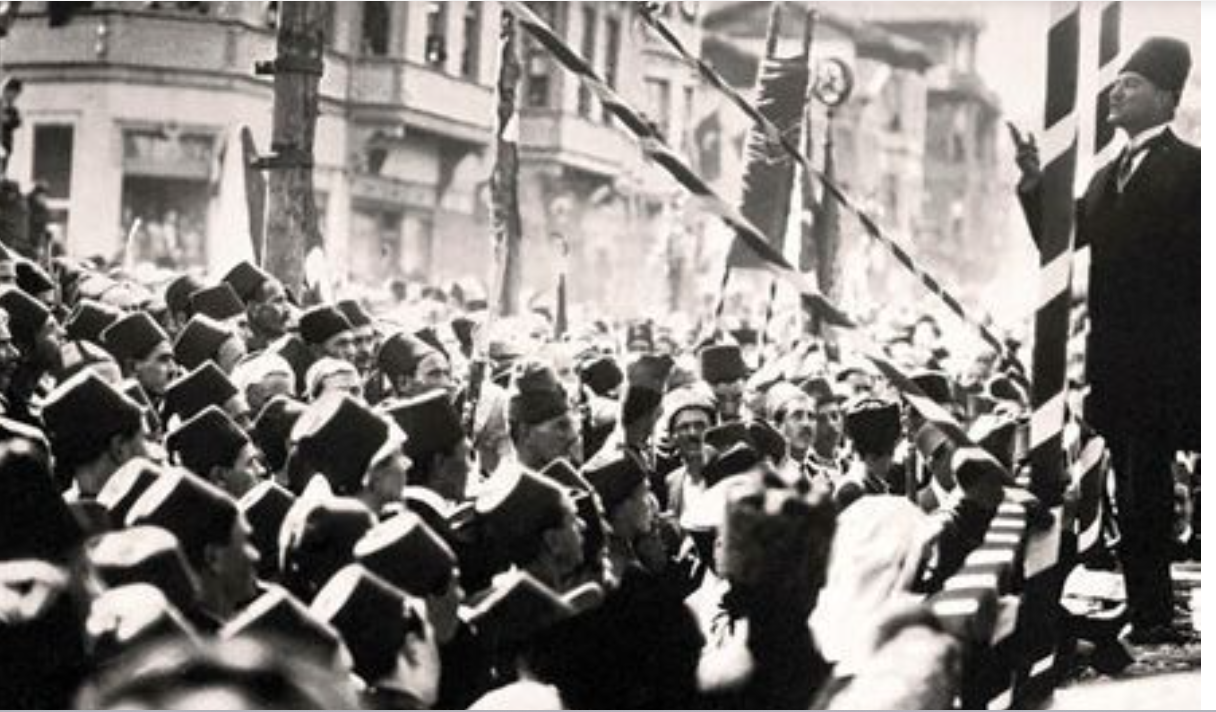
Çanakkale Victory: Atatürk’s Telegram Revealed After 110 Years
 Atatürk-Gallipoli
As Turkey commemorates the 111th anniversary of the Çanakkale Naval Victory on March 18, 2026, a groundbreaking historical discovery has shifted the focus from the trenches to the world of intelligence.
While the heroism of the Turkish soldier is legendary, new documents emphasize that the war was equally a battle of wits and high-level signals intelligence. By intercepting the Allied Powers’ wireless communications, the Ottoman forces were able to integrate real-time data into their strategic maneuvers, a feat now immortalized in a newly surfaced telegram written by Mustafa Kemal Atatürk.
The Çanakkale Front, which spanned from February 19th, 1915, to January 9th, 1916, served as a testing ground for early electronic warfare. Ottoman units meticulously monitored the radio traffic between enemy naval ships and their land-based counterparts. This intelligence was not merely stored; it was transformed into immediate tactical action.
This proactive approach is clearly documented in a telegram sent by Mustafa Kemal during his tenure as Commander of the 19th Division, which shows how intercepted messages dictated the pace of the Ottoman counter-offensives.
In his own handwriting, Atatürk detailed a critical intercept in which the opposing commander pleaded for reinforcements over the radio. The message, which reached the Ottoman high command from a fortified position, stated: “Send help ships here immediately.“
From this single intercepted sentence, Atatürk calculated that the enemy was down to a single regiment—four battalions—and was on the verge of collapse. Recognizing the window of opportunity, he ordered an immediate and decisive assault to prevent the enemy from receiving any reinforcements.
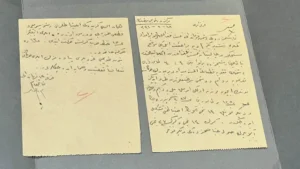
The tactical depth of the telegram is immense. Atatürk ordered the 125th Regiment to bolster the 27th, while the 14th Regiment was positioned to strike the final blow. He instructed all artillery units to synchronize their fire with the advancing infantry, ensuring total protection as they moved to dislodge the enemy from their positions.
This high-speed transition from intelligence gathering to a full-scale offensive demonstrates the modern military mindset that Atatürk brought to the 111th anniversary of the Çanakkale Naval Victory.
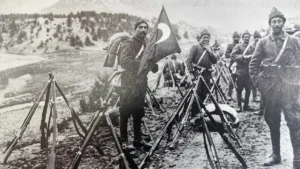
This 110-year-old document proves that the triumph at Gallipoli was a victory of the mind as much as it was of the heart. The soldiers were not just fighting a physical enemy but were engaged in a race against time and limited resources.
The ability to turn a captured radio signal into a victorious charge underscores the sophisticated level of command that defined the Çanakkale Campaign. Ultimately, the survival and success of the Turkish nation were secured by these split-second, intelligence-driven decisions made in the heat of battle.
Related articles
Historian Counters Claims: “Ignorance, Not Technology Was the Real Downfall of the Ottoman Empire”
Is Turkish economy on the verge of a turning point?
Controversy Over Dismissal of Lieutenants for Atatürk Chant Sparks Debate in Turkey