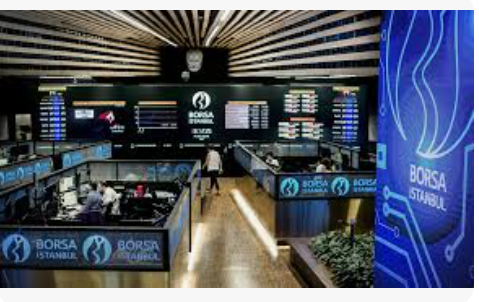
Borsa Istanbul Roars as Iran Peace Hopes Ignite Global Market Rally
 sabah-bulten7
Global markets staged a powerful relief rally after reports suggested the U.S. and Iran are moving closer to a framework agreement that could end the Gulf conflict. Oil prices plunged, the dollar weakened, and global equities surged as investors embraced renewed risk appetite. Yet the biggest winner may have been silver, which jumped nearly 6% and triggered what analysts see as a major technical breakout. Despite improving sentiment, investors remain cautious, warning that elevated energy prices, rising debt burdens, and persistent inflation risks continue to threaten the global economy.
Markets Rally on U.S.-Iran Peace Expectations
News that Iran is reviewing Washington’s latest proposal to end the war triggered a broad-based rally across global financial markets.
According to Reuters reports, the two sides are working on a one-page memorandum that could formally halt the conflict and launch a 30-day negotiation process covering:
- The reopening of maritime traffic through the Strait of Hormuz
- The removal of U.S. sanctions on Iran
- New restrictions on Tehran’s nuclear program
The prospect of de-escalation sharply improved global risk sentiment and fueled optimism that the worst phase of the energy crisis may be nearing an end.
Oil Prices Slide as Energy Fears Ease
Brent crude, widely viewed as one of the clearest indicators of geopolitical stress, fell more than 10% intraday and briefly tested the $96 per barrel level, marking its lowest point in nearly two weeks.
Singapore jet kerosene prices, considered Asia’s benchmark aviation fuel indicator, also dropped sharply to their lowest levels in two months.
The decline in energy prices eased pressure across broader markets and weakened the U.S. dollar, which had benefited from safe-haven demand during the conflict.
The U.S. Dollar Index (DXY) fell toward the 97 level, while:
- The euro climbed toward 1.18 against the dollar
- Sterling strengthened above 1.36
U.S. Treasury yields also retreated as investors reassessed the inflationary implications of the war. The benchmark 10-year Treasury yield fell roughly 10 basis points after recently approaching 4.45%.
Silver Emerges as the Star Performer
While equities rallied strongly, the most striking moves came in precious metals.
Gold and silver, which had previously suffered heavy liquidation due to wartime cash needs, staged a dramatic comeback.
Silver surged nearly 6% and closed near the $78 level, triggering what many traders view as a major technical breakout.
Gold also rallied back above $4,700 per ounce, reinforcing growing confidence that the worst market stress may now be behind investors.
The renewed strength in precious metals reflects broader concerns about:
- Structural dollar weakness
- Rising inflation pressures
- Expanding fiscal deficits
- Mounting global debt levels
According to the Institute of International Finance (IIF), global debt reached a record $353 trillion at the end of the first quarter.
Analysts increasingly believe that investors will continue shifting toward tangible and alternative stores of value, including:
- Gold
- Silver
- Bitcoin
- Equities tied to real productive assets
Bitcoin traded near $81,000 on Thursday morning.
Dollar Weakness and Debt Concerns Remain Structural Themes
Despite the relief rally, market participants continue to focus on longer-term structural concerns surrounding the global financial system.
Rising public debt, persistent inflation pressures, and widening fiscal deficits are keeping bond yields elevated across developed economies.
Many investors increasingly question the long-term dominance of the U.S. dollar as reserve currency, particularly as governments continue expanding borrowing needs.
Against this backdrop, physical assets and inflation hedges are expected to remain attractive investment themes even if geopolitical tensions ease.
Asian Markets Surge on AI and Geopolitical Relief
Asian equity markets extended their rally as optimism over the Middle East combined with continued enthusiasm surrounding artificial intelligence investments.
Japan’s Nikkei index surged 6% after returning from a long holiday break, briefly testing the 63,000 level for the first time in history.
Technology shares led gains across the region:
- South Korea’s market stabilized after the previous session’s 6.5% rally
- Taiwan stocks gained another 2% on strong tech earnings
- The MSCI Asia Pacific Index has now risen roughly 7% since the start of the week
Investors continue pouring money into AI-related sectors despite broader geopolitical uncertainty.
Energy Risks for Türkiye Remain Significant
Although oil prices pulled back sharply, Brent crude still remains roughly 40% above pre-war levels.
That continues to pose serious risks for energy-importing economies such as Türkiye.
Analysts estimate that every 10% increase in oil prices adds roughly 1.1 percentage points to Türkiye’s headline inflation rate.
Higher energy prices also threaten to:
- Widen the current account deficit
- Increase production costs
- Delay the disinflation process
Even if the Strait of Hormuz fully reopens, analysts caution that damage to regional energy infrastructure and continued stockpiling behavior could prevent a rapid normalization in global energy markets.
Turkish Markets Rally but Inflation Concerns Persist
Turkish financial markets also benefited from improving global sentiment.
The absence of a major ruling in the CHP congress case helped reinforce market optimism.
The BIST 100 index rallied nearly 3% and closed at a record high, while banking shares gained 4.4%.
However, the bond market remained cautious due to ongoing inflation concerns.
Türkiye’s two-year benchmark government bond yield continues trading above 41%, signaling persistent market anxiety over inflation and monetary policy.
Meanwhile:
- Türkiye’s CDS risk premium fell from 247 to 233 basis points
- USD/TRY moved closer to 45.25 under the authorities’ tightly managed exchange-rate strategy
Focus Turns to U.S. Jobs Data and the Japanese Yen
Attention is now shifting toward Friday’s U.S. nonfarm payrolls report, widely considered one of the most important indicators for the global economy and Federal Reserve policy.
According to a Reuters survey, the U.S. economy is expected to have added 62,000 jobs in April.
Currency markets are also closely watching the Japanese yen.
After Japan returned from holiday trading, speculation intensified that Tokyo may intervene to support the weak yen after USD/JPY briefly surged toward 155.
Analysts believe the yen will struggle to recover sustainably without:
- More aggressive rate hikes from the Bank of Japan
- A meaningful decline in global energy prices
For now, markets remain caught between cautious optimism over diplomacy and lingering fears that inflation and energy disruptions could quickly return to dominate the global narrative.
Emre Değirmencioglu, Kıbrıs İktisat Bank
PA Turkey intends to inform Turkey watchers with diverse views and opinions. Articles in our website may not necessarily represent the view of our editorial board or count as endorsement.
Follow our English YouTube channel (REAL TURKEY):
https://www.youtube.com/channel/UCKpFJB4GFiNkhmpVZQ_d9Rg
Twitter: @AtillaEng
Facebook: Real Turkey Channel: https://www.facebook.com/realturkeychannel/