Ankara’s Strategic Coup: How the Fall of Kurdish Autonomy Reshapes the Syria-Israel Equation
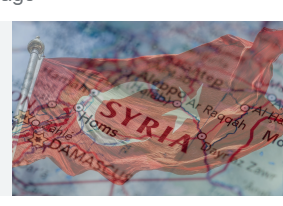 suriye
Analysis by Gönül Tol, Senior Fellow at the Middle East Institute)
DAMASCUS/ANKARA – The geopolitical map of the Middle East is undergoing a violent and rapid transformation. As the Syrian government—bolstered by shifting alliances and tacit international approvals—consolidates power, Turkey appears to be emerging as the primary beneficiary of a “double win”: the dismantling of Kurdish autonomy and a strengthened hand against Israeli influence in the Levant.
The Collapse of the SDF and the End of an Era
After a year of failed U.S.-mediated negotiations, the long-simmering tension between Damascus and the Kurdish-led Syrian Democratic Forces (SDF) has reached a breaking point. In a lightning offensive over the past fortnight, President Ahmed al-Sharaa’s forces seized the Arab-majority provinces of Deir ez-Zor and Raqqa, reclaiming vital oil fields, hydroelectric dams, and ISIS detention facilities.
A fragile 15-day extension to a January 20 ceasefire currently hangs in the balance. The ultimatum for the SDF is stark: disarm and integrate into the Syrian National Army or face total military annihilation. For the Kurds, who have enjoyed nearly a decade of self-rule, the “experiment in autonomy” appears to be over.
Erdoğan’s Domestic Calculus: The Öcalan Factor
The fate of Syrian Kurds is now inextricably linked to Turkish President Recep Tayyip Erdoğan’s domestic ambitions. Facing a constitutional limit on his presidency, Erdoğan has launched a high-stakes initiative involving the imprisoned PKK leader, Abdullah Öcalan.
The goal is clear: secure pro-Kurdish parliamentary support for a 2028 presidential bid by finalising the PKK’s disarmament. According to Gönül Tol, Öcalan remains pragmatic. Despite the deteriorating terms offered to the SDF, Öcalan continues to advocate for integration into Syrian state institutions, viewing it as the only viable path to improving his own conditions on İmralı Island.
Do Developments in Syria Threaten Türkiye’s “Terror-Free” Initiative?
The “Israel Problem” and the Trump Factor
Ankara’s success in Syria is not merely about the Kurds. It also involves a sophisticated chess match with Israel. Turkish officials have long viewed Israel’s military footprint in Syria as a barrier to their goals, fearing that Israeli support might embolden Kurdish resistance.
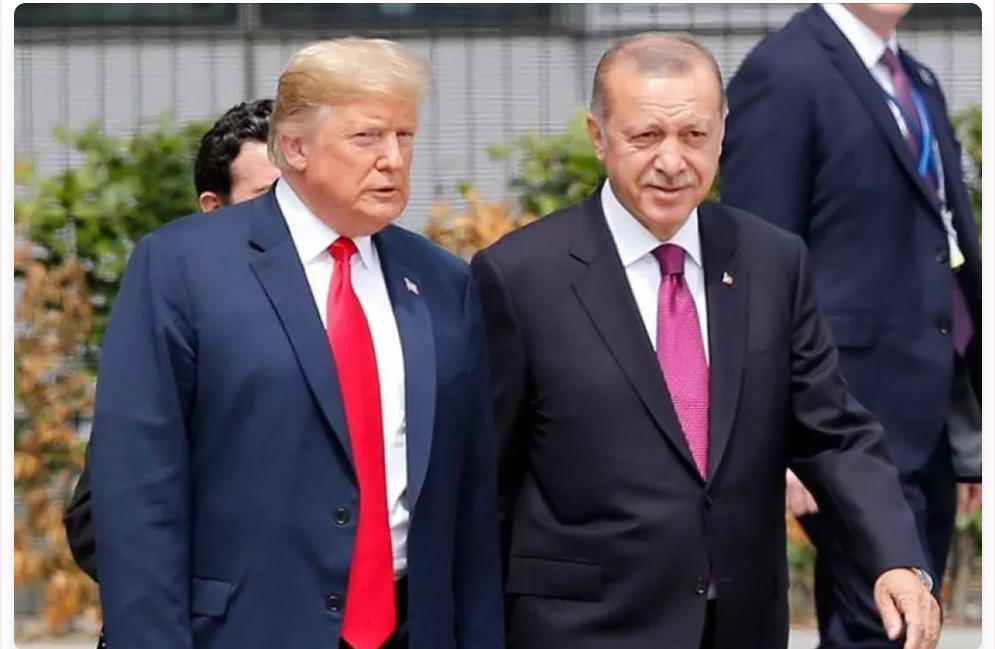
Enter Tom Barrack, President Donald Trump’s special envoy for Syria. Reports suggest Ankara coordinated closely with Barrack to ensure Israel remained on the sidelines during the recent offensive against the SDF. This “green light” has left the Kurds without their hoped-for regional protector.
A New Security Architecture
The tension between Turkey and Israel has recently manifested in technical disputes:
-
The Radar Row: Turkey recently deployed an advanced ASELSAN HTRS-100 radar system at Damascus International Airport. While Ankara claims it is for civilian air traffic, Israel fears it will constrain its freedom of movement in Syrian airspace.
-
The Paris Talks: While Israeli, Syrian, and U.S. officials met in Paris on January 6 to establish a coordination mechanism, major gaps remain. President Sharaa, feeling his hand strengthened by Turkish and U.S. support, is demanding a full Israeli withdrawal from the buffer zone and Mount Hermon.
Erdoğan and Trump Coordinate on Syria Ceasefire and Gaza Reconstruction in Phone Call
The Bottom Line for Ankara
From Ankara’s perspective, the ideal “post-war” Syria involves a clear division of influence: Israel in the south and Turkey in the north. If the SDF is successfully dismantled, Turkey will have removed its primary national security threat while positioning itself as an indispensable partner for the Sharaa government.
As the ceasefire deadline approaches, the SDF faces a “grim choice” between surrender and destruction. For Erdoğan, however, the pieces of the puzzle—domestic survival and regional hegemony—are finally falling into place.
Keywords & Meta
Keywords: Syria, SDF, Turkey, Erdoğan, Abdullah Öcalan, Ahmed al-Sharaa, Israel, Tom Barrack, Middle East Geopolitics, PKK Disarmament, ASELSAN.
Meta Analysis: This report explores Gönül Tol’s analysis of how the Syrian government’s offensive against the SDF provides a “double win” for Turkey, resolving its Kurdish security concerns and strengthening its position against Israel’s influence in Syria under the Trump administration’s mediation.
Related articles
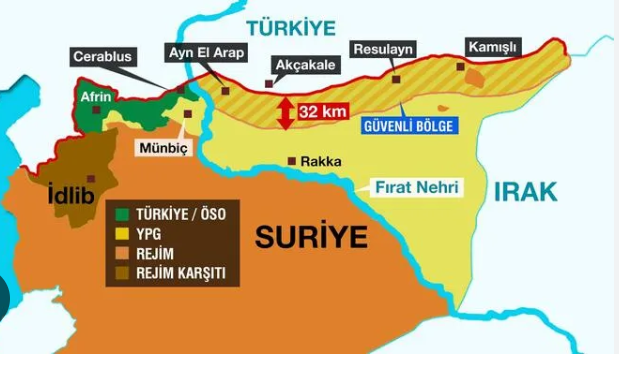
Erdogan threatens new ground offensive in Syria
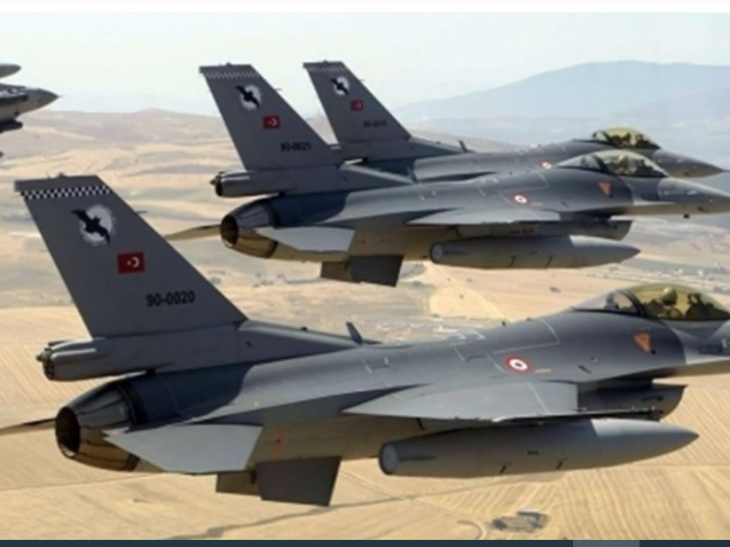
Turkish raid on Syrian Kurds: Three birds with one stone

Gonul Tol comments on growing signs of a rift between allies Erdogan and Bahceli