Ankara Rumors: Öcalan Reportedly Seeks New Party to Replace DEM’s “PKK Image”
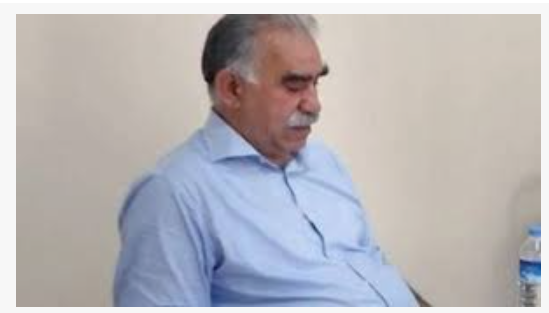 abdullah ocalan
Political circles in Ankara are abuzz with claims that imprisoned PKK leader Abdullah Öcalan has called for the creation of a new political party following the dissolution of the PKK. The reported aim would be to eliminate the perception that the DEM Party acts as a political extension of the militant group. The discussions come as Türkiye’s renewed “Peace Process” enters a new phase amid public support for disarmament but continued resistance to granting Öcalan a political role.
Claim: A New Party After the PKK’s Dissolution
According to columnist Nuray Babacan of Nefes, backstage discussions in Ankara suggest that Kurdish political actors may establish a new party as part of the ongoing peace framework.
The most striking claim is that Abdullah Öcalan himself has urged the formation of a new political movement capable of appealing to both Kurdish and Turkish voters.
The reported objective would be twofold:
-
To reposition Kurdish politics within a broader national framework.
-
To dismantle what critics describe as the perception that the DEM Party represents the PKK.
If realized, such a move would mark a significant restructuring of Kurdish political representation in Türkiye.
AKP Circles Express Unease Over DEM’s Tone
Babacan also reported dissatisfaction within ruling AKP circles regarding the DEM Party’s recent rhetoric and demands.
According to unnamed AKP figures:
“We are in a period that requires quiet and careful steps. Constantly raising the bar with new demands creates the wrong perception among our hesitant voter base. We already struggle to convince our constituents. We need time.”
They also argued that language implying a “redesign of the state” could undermine the process, stressing that the ruling party ultimately bears responsibility for implementation and must answer to its electorate.
How the Peace Process Is Evolving in 2026
As of 2026, Türkiye’s so-called “Peace Process” — sometimes framed as the “Terror-Free Türkiye” initiative — has entered a new stage following the PKK’s formal dissolution.
Key Developments
1️⃣ PKK Dissolution and Disarmament
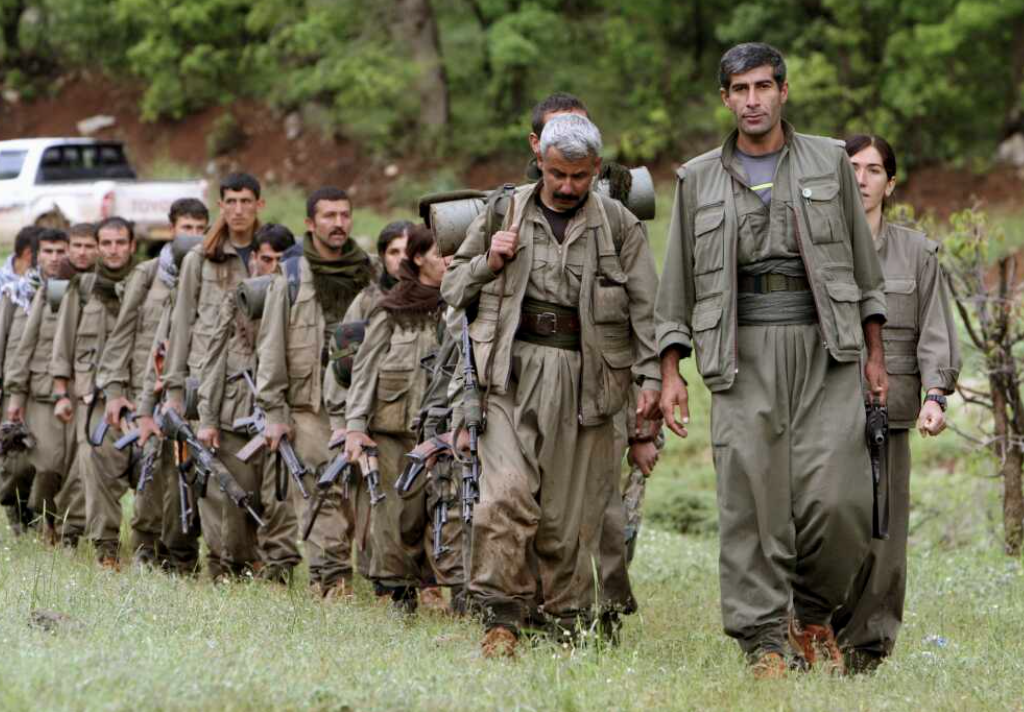
The organization announced in May 2025 that it was ending its armed struggle and dissolving its structure. The process gained renewed political momentum after Öcalan’s “Call for Peace and a Democratic Society,” made public on February 27, 2026.
2️⃣ Legal Framework
Sources close to the ruling AK Party and MHP indicate that legislation aimed at reintegrating non-violent former members into society could be introduced after Ramadan Bayram in 2026. Proposals reportedly include conditional release mechanisms for individuals not implicated in criminal acts.
3️⃣ Parliamentary Process
Efforts are underway within the Turkish Grand National Assembly (TBMM) to provide legal grounding for the process. A parliamentary “Solution Commission” has reportedly finalized its reports, with discussions including broader democratization steps such as revisiting trustee (kayyum) practices.
4️⃣ Political Actors
-
The DEM Party has called for removing obstacles preventing Öcalan from directly contributing to the process.
-
The CHP unveiled an 18-point roadmap in March 2026, formally entering the debate.
5️⃣ Regional Dynamics
Developments in Syria, including agreements involving the Syrian Democratic Forces (SDF), are seen as influencing the pace and structure of Türkiye’s internal process.
Public Opinion: Support for Peace, Resistance to Öcalan’s Political Role
Recent polling reveals a nuanced picture.
Strong Support for Disarmament
A broad majority supports ending armed conflict and achieving long-term stability. Many view peace as essential for economic normalization and security.
Clear Opposition to Political Status for Öcalan
A February 2026 survey found:
-
67% oppose Öcalan playing a political role.
-
Large majorities reject amnesty or house arrest scenarios.
Authorities have repeatedly denied claims that Öcalan could be released.
“Right to Hope” Debate Remains Sensitive
While the DEM Party and some civil society groups frame Öcalan’s February statement as a historic opportunity, legal discussions around the so-called “right to hope” remain highly controversial.
Demand for Broad Political Consensus
Public support appears contingent on transparency and parliamentary oversight rather than individual-based arrangements.
What a New Party Could Mean
If a new political party were formed:
-
It could aim to expand its appeal beyond ethnic lines.
-
It may attempt to reset perceptions of Kurdish political representation.
-
It could reshape Türkiye’s opposition dynamics.
However, the success of such a project would depend heavily on public perception, legal arrangements, and the delicate balance between peace efforts and political sensitivities.
For now, these discussions remain in the realm of political rumor — but they reflect how fluid Türkiye’s political landscape has become in the wake of the PKK’s dissolution.
Related articles
PKK Announces Its Dissolution: Despite Criticism as “Symbolic and Unclear,” a Historic Step
PKK Chieftain: Peace Process is Stuck — “No Decision at the Convention Without Apo’s Participation”
PKK Announces Dissolution After 40 Years of Armed Struggle, Eyes Democratic Path Forward