World Bank Estimates Syria’s Reconstruction Will Cost €185 Billion
 world bank
More than thirteen years after the outbreak of the Syrian civil war, the scale of devastation across the country has become clearer than ever. A new World Bank report published on Tuesday estimates that rebuilding Syria will require nearly €185 billion—the equivalent of about $216 billion—underscoring the immense human and economic cost of one of the 21st century’s most destructive conflicts.
From Protests to a Prolonged War
The Syrian conflict began in 2011, when mass protests against then-President Bashar al-Assad were met with a brutal government crackdown. What started as a popular uprising quickly escalated into a multifaceted civil war involving regional powers, extremist groups, and foreign military interventions. Over a decade later, large parts of Syria remain in ruins, its infrastructure shattered and its population scattered across borders.
According to the World Bank, the total reconstruction bill now stands at nearly ten times Syria’s 2024 gross domestic product (GDP). The report estimates that the overall cost could range between $140 billion and $345 billion, but describes $216 billion as the most cautious and realistic figure.
Infrastructure and Housing in Ruins
The conflict has ravaged nearly every aspect of Syrian life, with electric grids, housing, and public infrastructure among the hardest hit. The World Bank’s breakdown paints a stark picture of what lies ahead:
-
Infrastructure reconstruction: $82 billion
-
Residential building damage: $75 billion
-
Non-residential structures (schools, hospitals, offices, etc.): $59 billion
The report highlights that Aleppo and the rural outskirts of Damascus—areas that saw some of the fiercest fighting—will require the most significant investment to restore basic services and rebuild communities.
“The challenges ahead are enormous,” said Jean-Christophe Carret, the World Bank’s Regional Director for the Middle East. “But the World Bank stands ready to work alongside the Syrian people and the international community in the process of recovery and reconstruction.”
A Nation Still Struggling Despite Diplomatic Thaw
Even after Bashar al-Assad’s departure and attempts to rebuild diplomatic bridges with Western and Gulf nations, Syria remains mired in economic hardship. Despite renewed investment agreements with Gulf countries and partial lifting of Western sanctions, recovery has been sluggish.
Both the United States and the European Union have eased some of the restrictions imposed during the Assad years, but their effects on the ground have been minimal. International donors have also scaled back aid contributions, leaving millions of Syrians struggling to survive amid rising prices and limited access to basic necessities.
According to the United Nations, nearly 90% of Syria’s population now lives in poverty, a staggering figure that reflects the depth of the crisis. Food insecurity, unemployment, and the collapse of healthcare and education systems have compounded the suffering of civilians, especially in war-torn regions.
Displacement and the Human Toll
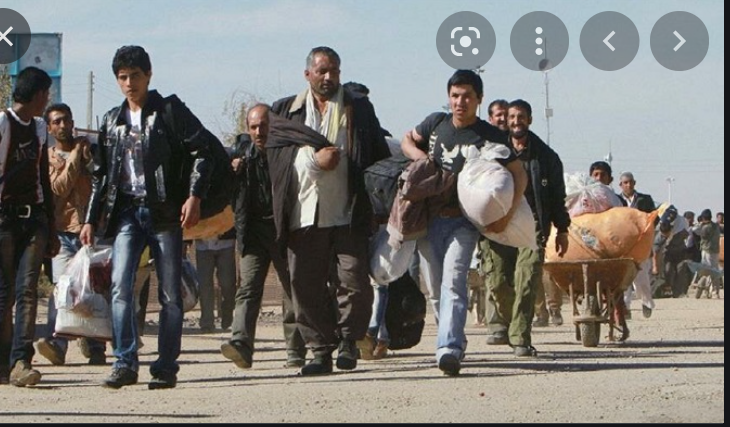
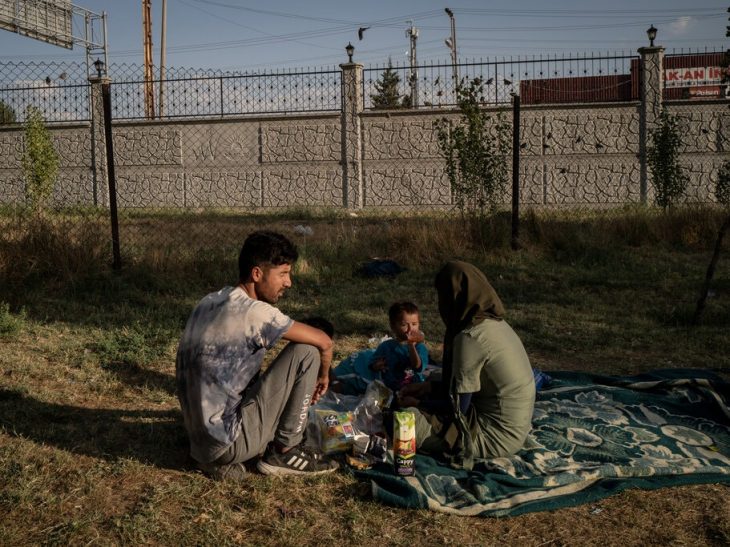
The war’s human impact remains devastating. Since 2011, hundreds of thousands have been killed, and millions more displaced. By the end of 2024, the number of registered Syrian refugees and asylum seekers exceeded six million, most of them residing in Türkiye, Lebanon, and Jordan.
In Europe, approximately 1.3 million Syrians have found refuge—concentrated mainly in Germany, Sweden, and Austria. For many, the prospect of returning home remains distant as security concerns, destroyed housing, and lack of economic opportunities persist.
The Road Ahead
Rebuilding Syria will require not only financial investment but also political stability and international cooperation—conditions that remain fragile. Analysts warn that reconstruction without inclusive governance and transparency risks deepening existing inequalities and prolonging instability.
While the World Bank’s latest assessment quantifies the cost of reconstruction, the true price of Syria’s war extends beyond economics. It lies in the fractured communities, lost generations, and the monumental task of restoring trust in a nation that has endured over a decade of relentless conflict.