Türkiye Signals Growing Diplomatic Weight as Gaza Debate Reshapes Regional Power Balance
 Erdogan Trump
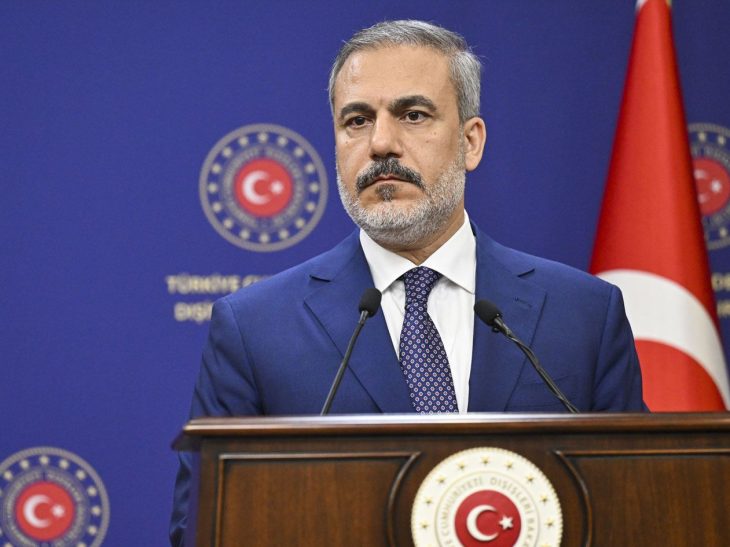
Türkiye’s diplomatic posture on Gaza drew renewed international attention at the Doha Forum held on December 6–7, where Foreign Minister Hakan Fidan delivered remarks that quickly became a focal point of global debate. His comments highlighted Ankara’s dissatisfaction with existing international approaches to the Gaza Strip. They reinforced Turkey’s ambition to play a more decisive role in resolving one of the Middle East’s most entrenched conflicts.
At the core of Fidan’s message was a critique of the International Stabilization Force (ISF) framework, which Turkey views as insufficient and misaligned with realities on the ground. Ankara has increasingly argued that without a more just, credible, and enforceable intervention model, efforts to stabilize Gaza will remain fragile and prone to collapse. This position reflects Turkey’s broader foreign policy vision of coupling regional engagement with moral and humanitarian arguments, particularly in conflict zones.
Rethinking Priorities in Gaza
Speaking to international media, including the Guardian and Reuters, Fidan stressed that the ISF must urgently reassess its priorities. According to him, the immediate and most critical step should be the physical separation of Israeli forces and Hamas, rather than rushing toward the disarmament of Palestinian factions. “Disarmament cannot be the first stage of the process,” he argued, emphasizing that premature focus on weapons risks derailing any realistic pathway to stability.
Fidan also raised concerns over Israel’s conduct, warning that repeated violations of the ceasefire undermine the implementation of the U.S.-backed Gaza ceasefire plan. If these breaches continue unchecked, he cautioned, the process would amount to a “huge failure.” Such statements resonated with many international observers who have questioned the sustainability of ceasefire arrangements without effective enforcement mechanisms.
Friction Over International Force Proposals
Disagreements over proposed international security arrangements have further exposed tensions between Türkiye and Israel. Indonesia and Azerbaijan recently signaled their willingness to contribute troops to a planned UN-backed stabilization force, formally requesting Turkey’s participation as well—the proposal aimed to allow Turkish troops to deploy in critical areas to support stability and humanitarian access.
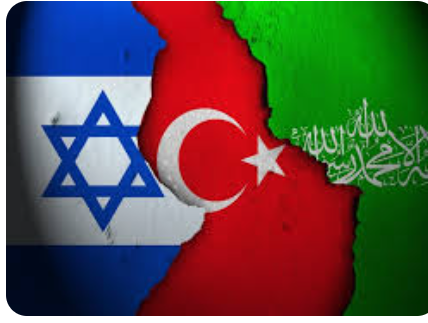
Israel, however, strongly opposed the idea and has reportedly sought to veto Turkey’s involvement. This resistance underscores Israel’s broader unease with Ankara’s expanding diplomatic and operational footprint in Gaza. From Israel’s perspective, Turkey’s growing influence—combined with its outspoken criticism of Israeli military actions—poses strategic challenges.
Türkiye’s Expanding Regional Role
Fidan’s remarks at Doha reflect a broader trend: Türkiye increasingly sees itself as a key power broker in the Middle East and North Africa (MENA). Ankara views the current regional turbulence not only as a security risk but also as an opportunity to assert influence as a stabilizing and mediating actor. Its ability to engage with diverse stakeholders—from Western capitals to regional movements—has become a defining feature of its foreign policy.
Turkey’s criticism of Israeli actions has found broad support across the MENA region, where public and political opinion has largely aligned against the humanitarian toll of the Gaza conflict. This alignment strengthens Ankara’s standing as a voice capable of channeling regional concerns into international forums, potentially positioning it as a balancing force amid escalating tensions.
Relations With Washington and the Trump Factor
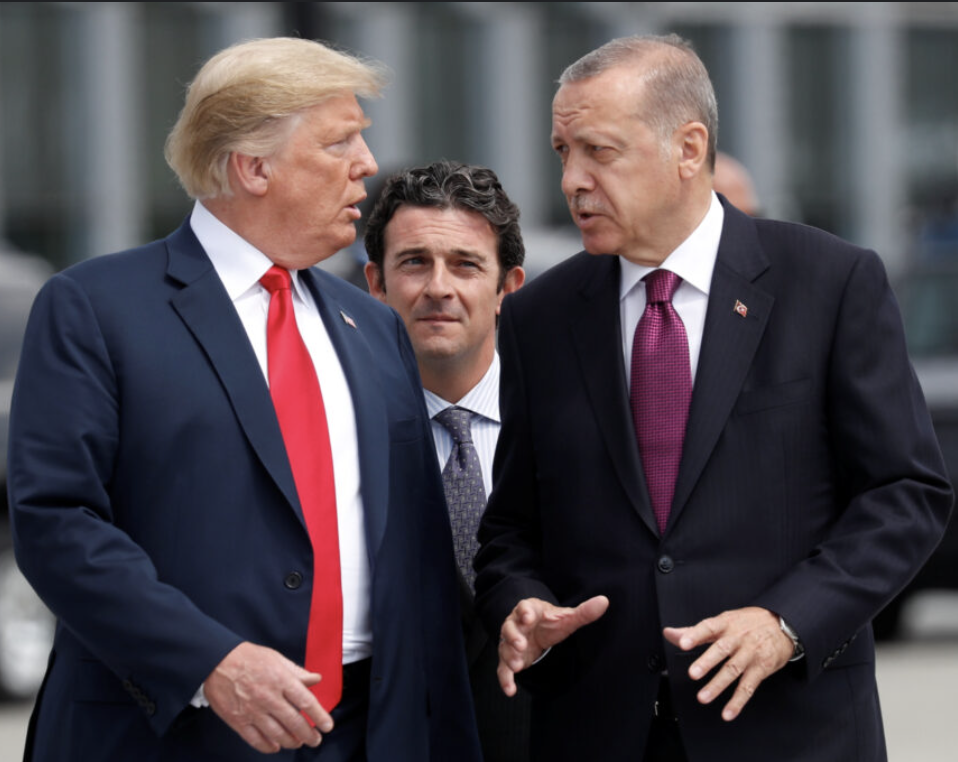
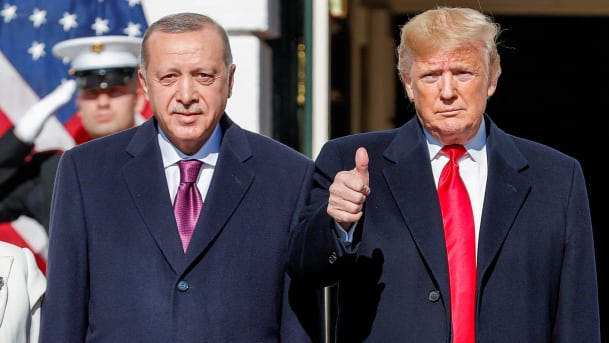
Ankara’s diplomatic leverage is further reinforced by its evolving relationship with Washington. Solid ties with U.S. President Donald Trump have highlighted Turkey’s adaptability and strategic importance as a bridge between the Middle East and Western powers. These relations have taken on added significance in light of Turkey’s involvement in the U.S.-backed ceasefire initiative between Israel and Hamas.
According to Reuters, Türkiye played an active role as a mediator and negotiator, maintaining direct communication channels with Hamas officials. While Ankara’s ties with Hamas have long been controversial, they proved instrumental in facilitating dialogue at a moment when few actors could engage both sides. This pragmatic approach did not go unnoticed in Washington.
Following the ceasefire agreement, President Trump reportedly described Turkey as “a reliable ally,” praising President Recep Tayyip Erdoğan’s role in advancing negotiations. Such recognition signals a shift in how key Western decision-makers perceive Ankara’s regional engagements.
Strategic Gains and Emerging Risks
Despite these diplomatic gains, Turkey’s rise as a regional power is not without risks. Israel remains deeply skeptical of Ankara’s intentions, particularly as U.S.-Turkish relations strengthen. From Jerusalem’s standpoint, closer coordination between Washington and Ankara could erode Israel’s strategic flexibility and influence over post-conflict arrangements in Gaza.
This growing rivalry introduces new uncertainties into an already volatile regional environment. While Turkey presents itself as a moderate interlocutor capable of shaping outcomes, misaligned expectations among regional and global actors could exacerbate tensions if not carefully managed.
A Power in Transition
Although the trajectory of these dynamics remains uncertain, Türkiye is increasingly perceived as a rising diplomatic force capable of influencing Gaza’s future and the broader regional order. Its ability to combine mediation, regional legitimacy, and strategic ties with Western powers places Ankara in a unique position within the evolving global system.
Whether this role ultimately contributes to stability or fuels further competition will depend on how effectively Turkey balances its ambitions with the sensitivities of other key players. What is clear, however, is that Ankara’s voice in the Gaza debate is no longer peripheral—it is becoming central to discussions about the region’s future.
Related articles
Turkey–Israel Rivalry Spills Into the Eastern Mediterranean
Turkish FM Claims Mossad Is Fueling Iran Protests to Push Region Toward Conflict

ANALYSIS | Turkey and Israel on Collision Course as Regional Tensions Mount