Turkish Markets Face Political ‘Armageddon’ Risk as Economist Yeşilada Warns of AI ‘Ponzi Pyramid’
 trader-frustrated
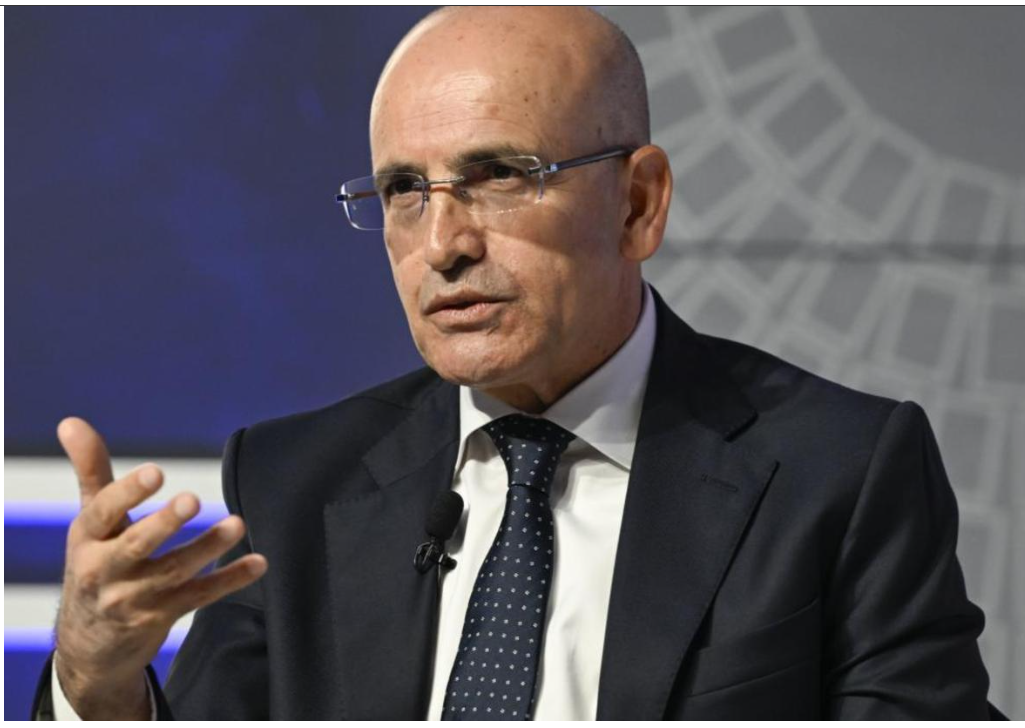
ISTANBUL – Prominent Turkish economist Atilla Yeşilada has issued a stark warning to domestic investors, suggesting that Turkish equities (BIST 100) are vulnerable to a drop to the 9,000-point level if political instability worsens or corporate operations expand. In a recent analysis, Yeşilada characterized the upcoming inflation data as a “Litmus Test” for the Central Bank’s monetary policy, strongly recommending Turkish Lira assets over gold or short-term stock trading.

The economist also shifted his focus to global markets, advising investors in U.S. tech stocks to take profits, as the current run in artificial intelligence (AI) stocks increasingly resembles a “Ponzi pyramid” that has decoupled from historical valuation metrics.
The Turkish Lira Emerges as the Unexpected Winner
Yeşilada, known for his direct market commentary, dedicated the first half of his broadcast to analyzing the critical economic developments awaiting Turkey. He stated that the release of the October inflation data would serve as a crucial indicator of the Central Bank’s immediate policy direction.
“If the October inflation comes out above 2.75%, or certainly above 3%, there remains no justification for the Central Bank to cut rates in December,” Yeşilada asserted. He challenged the Central Bank’s recent claim that domestic demand is contracting in a disinflationary manner, pointing instead to burgeoning imports (excluding gold and energy) that are growing three times faster than exports. This trade imbalance, he argued, signals robust internal demand and an overvalued Turkish Lira, making any premature monetary easing highly improbable.
Consequently, Yeşilada advised investors to prioritize the Turkish Lira. He believes that if the Central Bank holds its ground on inflation, TL interest rates will remain attractive, offering a strong, risk-free return, especially when compared to the volatility of the stock market. “I would bury myself in 6-month deposits if I could find long-term high interest against next year’s rate cut,” he noted.
For gold investors, the advice was to hold existing positions but refrain from new purchases. The economist suggested that the potential 25% appreciation in gold price (from 4,000 to 5,000 TL) is easily overshadowed by the 40% returns currently available in risk-free Turkish Lira deposits when factoring in the dollar component.
Political and Corporate Risks Cloud Stock Outlook
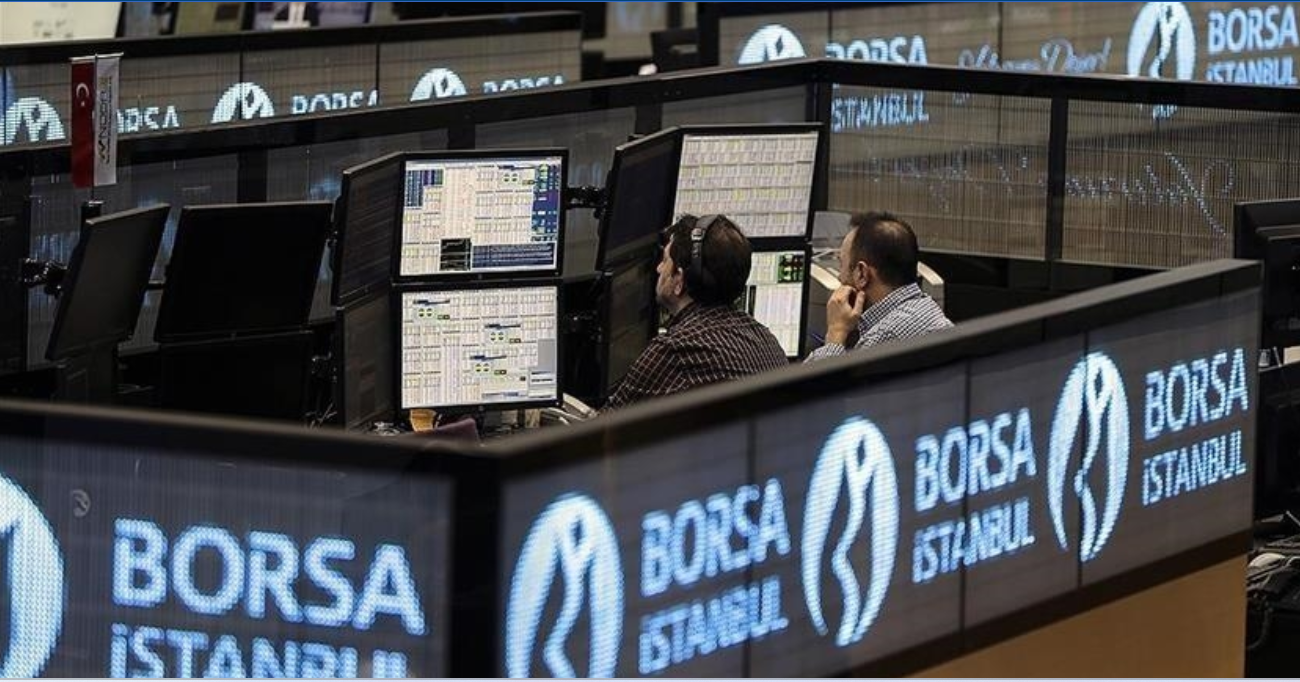
The most bearish segment of Yeşilada’s analysis was reserved for the Borsa Istanbul, which he believes has largely completed its rally for the year. He drew a sharp contrast between Turkey and other emerging markets, which have seen inflows despite weak underlying fundamentals, primarily driven by a weak dollar and the expectation of Fed rate cuts.
“Why is money not coming to us? Political risks, period,” Yeşilada stated unequivocally. He detailed three major, interconnected political risks that foreign investors cannot overlook:
- The MHP-AKP Alliance Strain: Yeşilada highlighted growing tensions within the ruling People’s Alliance, citing disagreements over the Northern Cyprus elections and recent appointments within the judiciary, military, and police forces. Crucially, he posited that a future “peace process” with the Kurdish political movement could become the ultimate breaking point for the Nationalist Movement Party (MHP). “If the MHP withdraws from the alliance or signals it, markets will fall because a general election uncertainty will be added to the mix,” he warned.
- Political Maneuvering: He referenced ongoing legal battles and political efforts aimed at eliminating opposition leaders like Ekrem İmamoğlu and Mansur Yavaş from future presidential races.
- Corporate Operations: Most immediately concerning, Yeşilada cited a series of high-profile corporate operations and investigations, such as the one concerning the Turkish Petroleum Corporation (TPAO). He expressed genuine fear that these investigations could spread to companies listed on the BIST 100, chilling investment sentiment across the board. “If the Central Bank does not cut rates, or these corporate operations somehow extend to companies within the BIST 100, I anticipate the index will drop to 9,000 points,” he concluded.
The Global Tech Bubble: Take Profits Before the Pin Pricks
Shifting focus to international markets, Yeşilada addressed the burgeoning valuations of the “Hyper Scaler” tech giants, acknowledging that a general consensus now exists regarding an AI bubble.
“These large technology companies are trading at a P/E ratio of around 40, which is even higher than during the Great Depression,” he noted. While bubbles can sustain themselves for long periods, Yeşilada stressed that they never pop on their own—they require a catalyst, or a “pin.”
He offered two potential “pins” that could trigger a global correction:
- U.S. Supreme Court Rulings: The first is the Court’s upcoming ruling on customs tariffs, which could explode the U.S. budget deficit, causing bond yields to spike and investors to flee to gold. The second, and more dramatic, is a ruling that allows a sitting President to remove Federal Reserve Governors without cause, which would instantly politicize the central bank and create extreme market volatility.
- The Fed’s Persistent Hawkishness: While the market prices in rate cuts, several Fed governors remain “hawkish,” signaling a “bloody” December meeting where a decision not to cut rates remains possible.
Yeşilada’s final advice for global investors was pragmatic: take profits. He suggested rotating funds out of the expensive tech sector into more classical, defensive stocks like retailers or utilities, which offer much lower P/E ratios and recession resilience. Despite the caution, he conceded to an “instinct” that the rally could continue for a brief period, advising current holders of S&P 500 positions to maybe ride the wave for an additional 10% gain before exiting the market.