Turkey Targets Hedge Funds Amid Manipulation Claims: Government Signals Tougher Regulation
 yatirim fonlari
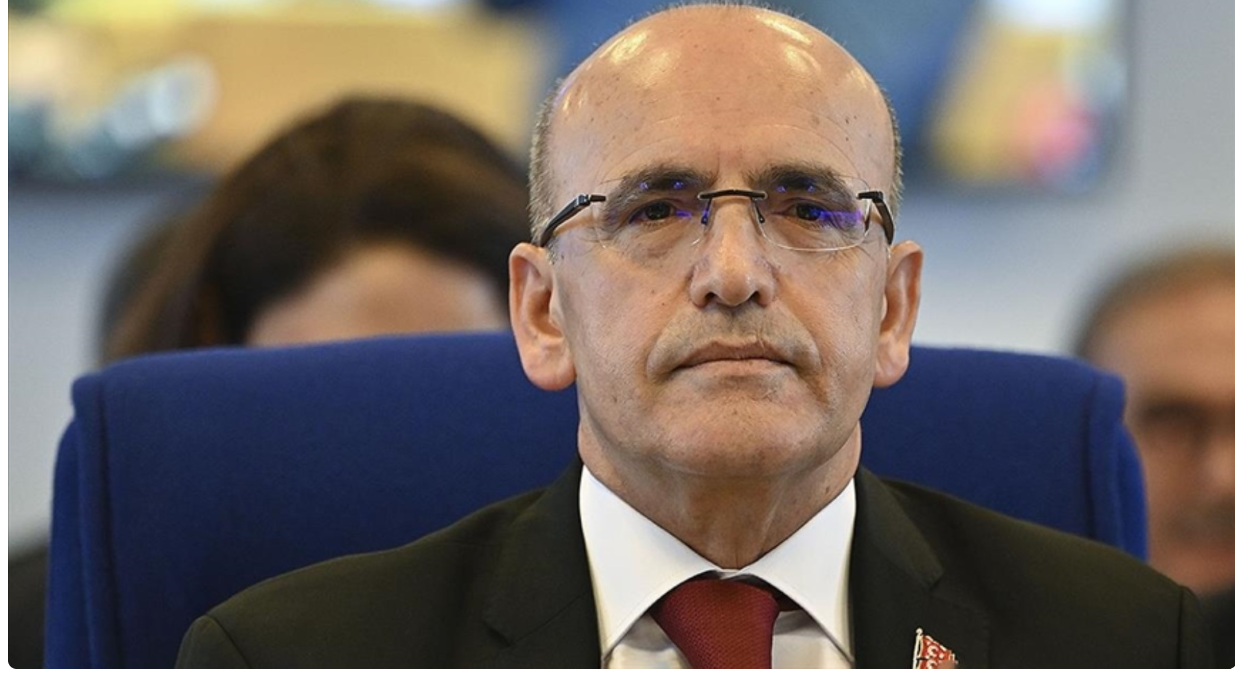
Turkey’s Ministry of Treasury and Finance is preparing strict new rules to curb alleged stock manipulation through hedge funds (known locally as serbest fonlar). Treasury and Finance Minister Mehmet Şimşek stated that penalties will be increased and regulatory loopholes closed, following weeks of unusual price movements on Borsa Istanbul. Economists warn that without structural reform, retail investors will continue to be exposed to opaque fund practices and conflicts of interest.
Hedge funds under scrutiny after suspicious market moves
Stock market volatility and aggressive price jumps linked to hedge funds triggered intervention signals from both Turkey’s Capital Markets Board (SPK) and Treasury Minister Mehmet Şimşek.
“We know some funds are being used for manipulation,” Şimşek said during his opening address at the Capital Markets Congress in Istanbul.
“Penalties will be increased. The regulatory framework will be strengthened. If we cannot fight manipulation forcefully, trust in capital markets will remain weak.”
Şimşek added that the government is prepared to go “beyond current efforts against the informal economy” in its fight against market manipulation.
Critics: Fund structure allows pump-and-dump schemes
Economist Remzi Özdemir argues that the root problem is structural: some hedge funds are created privately (closed status), artificially inflated with a small investor group, and later opened to the public — enabling a classic “pump and exit” cycle.
Ozdemir says the system must be redesigned around transparency and conflict-of-interest rules.
“Markets are fair only when rules exist. Without rules, finance becomes a playground for speculation.”
Proposed reform pillars
According to market experts, the following changes are critical to protect investors:
1. Ban on switching from “closed” to “public” status
Funds should not be allowed to inflate asset values privately, then sell at a premium once opened to retail investors.
2. Cap investments in affiliated companies
Funds should be limited to investing no more than 5% in companies owned by the fund manager or related parties.
This targets conflicts of interest and prevents fund managers from manipulating shares of their own corporations.
3. Mandatory capital adequacy for fund managers
Portfolio management firms should maintain sufficient capital to meet investor redemptions without risking collapse.
4. Stricter enforcement and immediate suspension of suspicious trades
Regulators must have authority to halt trades and liquidate funds involved in manipulative activity.
5. Redefinition of “qualified investor”
Turkey’s threshold of $20,000 is considered outdated. Experts recommend:
-
Raising the minimum to $100,000
-
Introducing non-financial criteria such as risk literacy
6. Ban on mass marketing and social media promotion
High-risk funds should not be advertised on TikTok, Instagram, or YouTube as “easy money opportunities.”
Şimşek: “If there is no trust, there is no capital market”
At the Congress, Şimşek emphasized that deepening capital markets is a core goal of the government’s “Century of Türkiye” vision.
Key points:
-
No infrastructure limitations in Turkey’s financial system
-
More work needed on regulation and product diversity
-
Digitalization and investment banking will be expanded
Industry reaction: Confidence depends on strict rules
Analysts note that Turkey wants to attract long-term institutional capital. However, retail investors have been burned by opaque and leveraged fund structures with no transparency.
Ozdemir summarizes:
“Reform must focus on transparency, conflict-of-interest prevention, capital adequacy and investor protection.”
Commentary by Economist Remzi Ozdemir
PA Turkey intends to inform Turkey watchers with diverse views and opinions. Articles may not necessarily represent our editorial board’s views or count as endorsement.
Follow our English-language YouTube channel: REAL TURKEY
Twitter: @AtillaEng | Facebook: Real Turkey Channel