Turkey Sets 2026 Economic Roadmap: Growth Target at 3.8%, Inflation Goal at 16%
 tr-economy
The 2026 Presidential Annual Program — outlining Turkey’s key economic goals and policy priorities — has been published in the Official Gazette, setting the government’s official targets for growth, inflation, employment, and foreign trade.
Prepared jointly by the Ministry of Treasury and Finance and the Presidency of Strategy and Budget, the program projects moderate economic expansion and a sharp disinflation trend for the coming year.
Growth and Inflation Targets
According to the program, Turkey’s economy is expected to grow by 3.3% in 2025 and 3.8% in 2026, signaling a gradual recovery amid tight monetary and fiscal conditions.
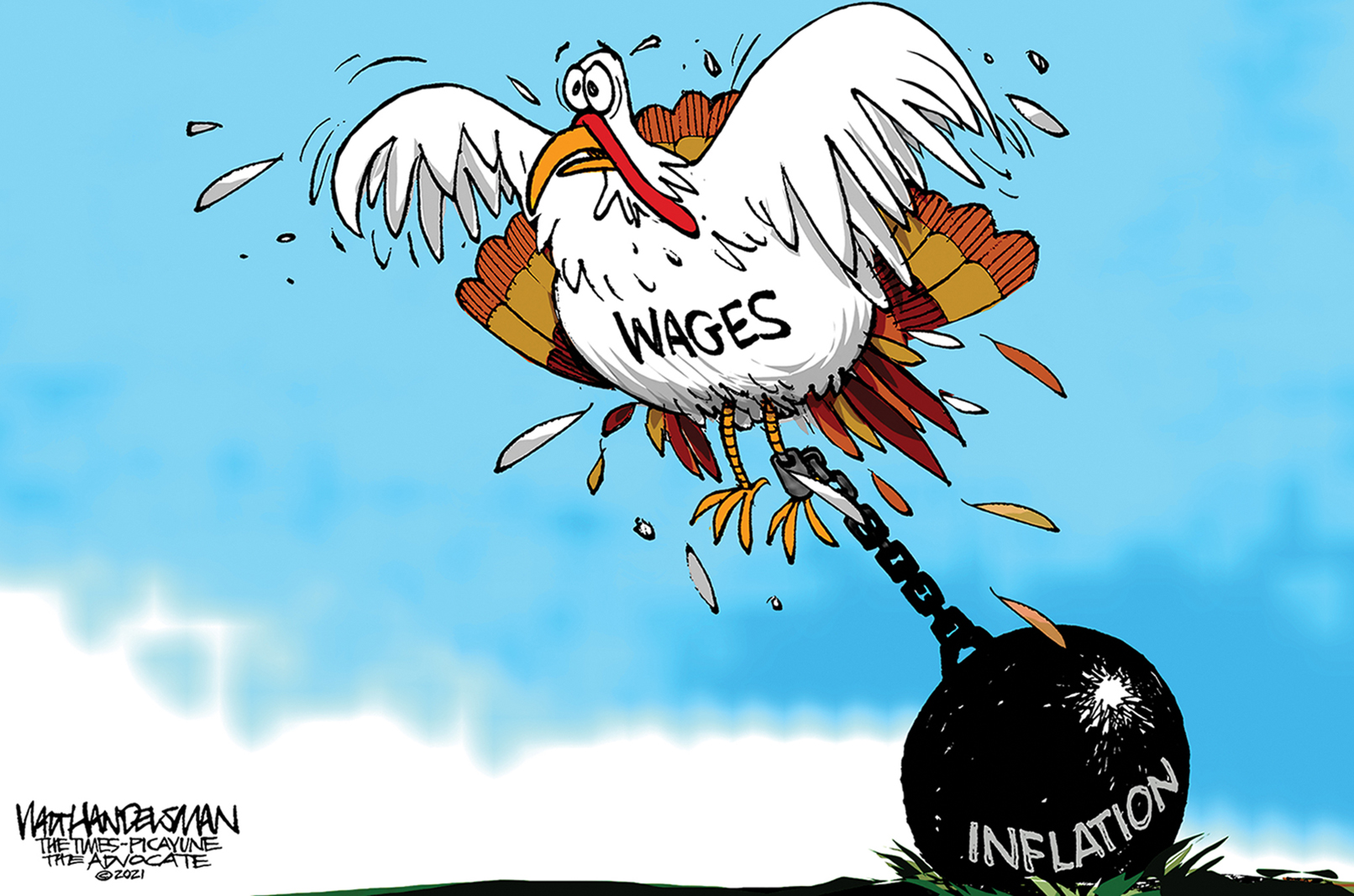
The government forecasts end-2025 inflation at 28.5%, but aims to cut it nearly in half to 16% by the end of 2026 — marking one of the most ambitious disinflation targets in recent years.
Economists say the target reflects Ankara’s intention to anchor inflation expectations while maintaining growth momentum under its medium-term economic program.
Employment and Unemployment Outlook
With the projected growth rate, the program anticipates an annual increase of 730,000 jobs in 2026.
The unemployment rate, estimated at 8.5% for 2025, is targeted to decline slightly to 8.4% in 2026.
The plan also underscores policies to boost youth employment, support vocational training, and incentivize female workforce participation, aligning with the government’s broader labor market reforms.
Foreign Trade and Current Account
Turkey’s exports are expected to rise from $273.8 billion in 2025 to $282 billion in 2026, while imports are forecast to climb from $367 billion to $378 billion in the same period.
This will leave a foreign trade deficit of approximately $96 billion in 2026 — a figure the government aims to narrow through value-added manufacturing and export diversification policies.
The current account deficit is projected at $22.3 billion, equivalent to 1.3% of GDP, signaling a return to more sustainable external balances compared to previous years.
Policy Focus: Stability and Structural Reform
The 2026 program emphasizes:
-
Price stability through coordinated monetary and fiscal discipline
-
Support for industrial and technological transformation
-
Incentives for renewable energy and green transition investments
-
Efforts to enhance export competitiveness and digitalization
Officials describe the plan as a step toward “stable, sustainable, and inclusive growth”, consolidating Turkey’s economic rebalancing efforts after a period of high inflation and external volatility.
Related articles
Turkey Posts Record $5.5 Billion Current Account Surplus in August
Economic Storm Warning: Former Central Bank Chief Economist Analyzes Türkiye’s Wartime Risks
Atilla Yesilada: Turkish economy in 2026