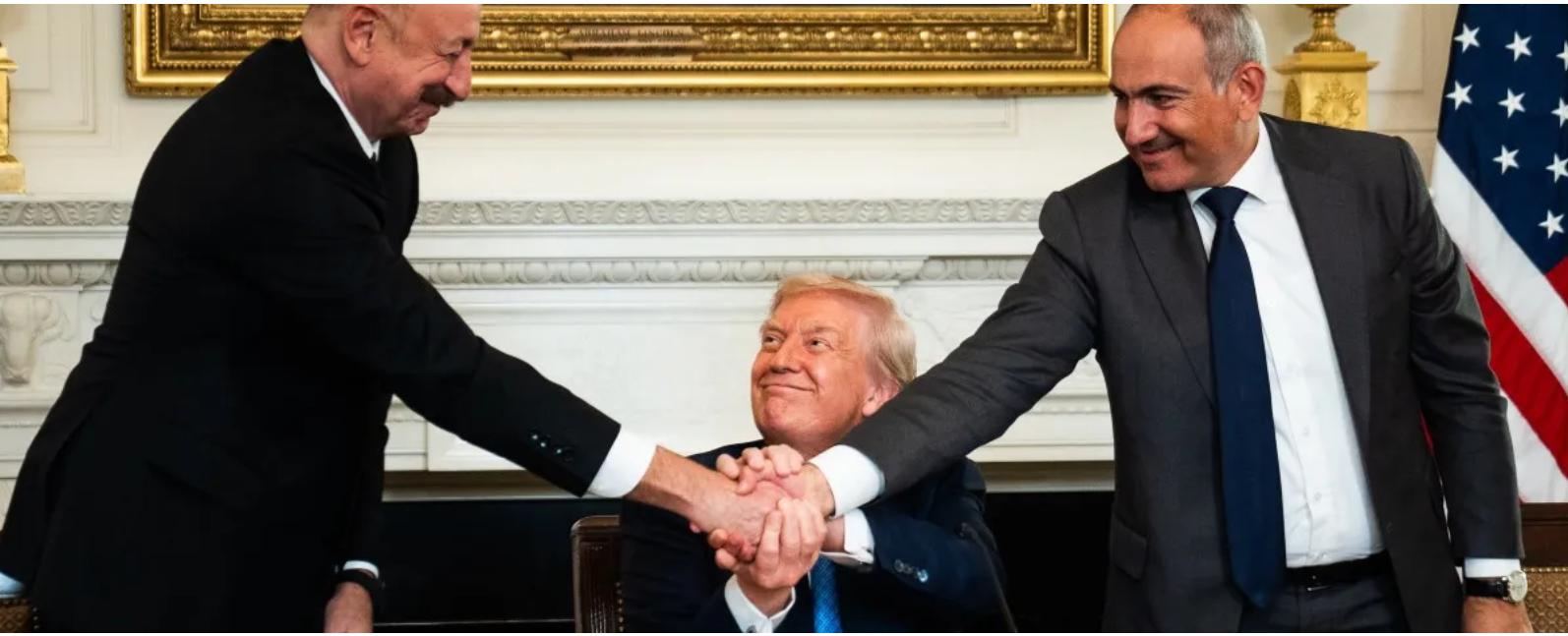
Ties with Turkey Are Progressing in the Right Direction: Pashinyan
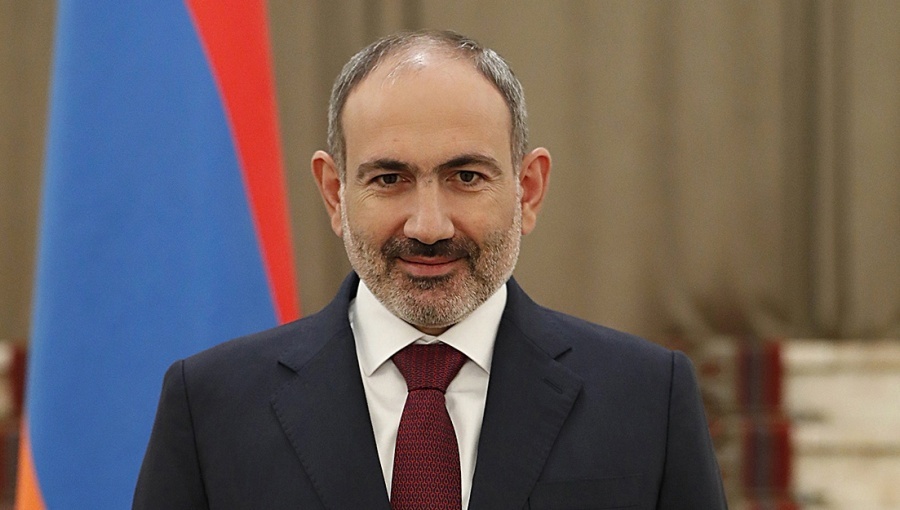 Pashiyan
At the 2025 Orbeli Forum held in Yerevan, Armenian Prime Minister Nikol Pashinyan declared that relations between Armenia and Turkey are “moving in the right direction.” Speaking at the international event, Pashinyan revealed that communication between Yerevan and Ankara has become more frequent than ever, with personal meetings between him and Turkish President Recep Tayyip Erdoğan taking place “quite often.”
The Orbeli Forum 2025, titled “Building Peace and Multilateral Cooperation,” opened yesterday in Armenia’s capital. The conference drew representatives from 17 countries, including Turkey and Azerbaijan, and aims to foster regional stability by strengthening cooperation, enhancing infrastructure, and developing new formats for international partnerships.
Pashinyan: ‘We Are Building Institutional Bridges with Our Neighbors’
During his address, Pashinyan underscored that Armenia is now establishing institutional-level relations with all its regional neighbors—a first in the country’s modern history. He reminded the audience that, in previous decades, such structured connections with Azerbaijan and Turkey were almost non-existent.
“This transformation is critical for regional cooperation,” the Prime Minister explained, noting that the Armenia-Turkey normalization process is nearing a breakthrough. “The relationship between Armenia and Turkey is moving in the right direction, and I believe normalization is now only a matter of time,” he stated confidently.
Pashinyan also disclosed that he has personally invited President Erdoğan to attend the 8th European Political Community Summit, scheduled to be hosted in Yerevan next year. “In recent years, I have visited Turkey twice, and I have extended an invitation to President Erdoğan to join us in Armenia next year. I truly hope he will accept,” he said.
Peace Process with Azerbaijan Reaches Strategic Consensus
On regional peace, Pashinyan noted that the ongoing Armenia-Azerbaijan peace negotiations have reached what he described as a “strategic agreement stage.” The Prime Minister outlined the essence of the forthcoming peace accord: “Armenia and Azerbaijan recognize each other’s territorial integrity based on the 1991 Almaty Declaration. In line with the Washington Declaration, they are working to open regional communication channels, conduct border delimitation under mutually agreed principles, and ultimately allow each other to govern their own affairs independently.”
He revealed that this shared vision has already been incorporated into a paraffed peace document, signaling tangible progress. “Peace must be nurtured daily,” Pashinyan said, emphasizing that his government and the Armenian public remain unwavering in their commitment to regional stability.
Mirzoyan: ‘Armenia-Turkey Dialogue Is Constructive and Productive’
Armenian Foreign Minister Ararat Mirzoyan, also speaking at the forum, echoed Pashinyan’s optimism regarding bilateral relations with Turkey. “We are conducting a very intensive dialogue with Turkey, and I am quite optimistic that we can achieve concrete results in this process,” he remarked.
Mirzoyan noted that Armenia’s engagement with Turkey mirrors its evolving relationship with Azerbaijan, highlighting that people-to-people exchanges have long continued despite political challenges. “For years, even with closed borders, citizens of both nations traveled and traded—though often through third countries,” he said.
The minister further discussed the growing air connectivity between the two nations, describing it as a practical indicator of diplomatic warming. “Flights already operate between Armenia and Turkey. Agreements have been reached to increase services between Yerevan, Gyumri, and Istanbul, and in the future, we may even see direct flights to Ankara,” Mirzoyan confirmed.
A New Chapter in the South Caucasus
The ongoing talks between Armenia, Turkey, and Azerbaijan mark a potential turning point in the South Caucasus—a region long burdened by historical conflict. The convergence of diplomacy, infrastructure development, and mutual recognition could reshape regional dynamics and open new paths for cooperation.
Observers note that this period represents Armenia’s most active diplomatic engagement in decades. Both Yerevan and Ankara appear motivated to transition from sporadic contact to sustained institutional cooperation—a move that could have lasting economic and political benefits for the entire region.
While challenges remain, the tone of the Orbeli Forum suggests that leaders in the region are beginning to envision a shared future based on stability, connectivity, and trust rather than isolation and confrontation.
Related articles
Turkey’s Role in the South Caucasus: A Strategic Test for the EU
Armenia–Turkey Normalization Faces Final Hurdle Before 2026 Deadline

US Envoy Barrack Says Washington–Ankara Disputes Could Be Resolved Within Months