The Truth About Turkey’s ‘Mineral Mountain’: Is the World’s Second-Largest Rare Earth Deposit Real?
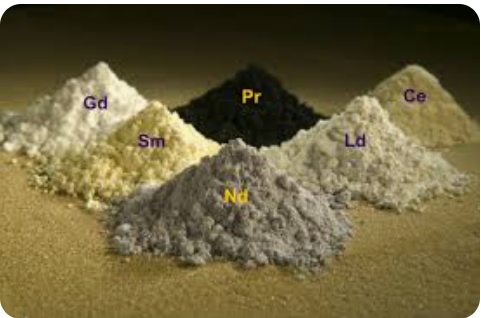 rare earth minerals
The Geopolitical Race for Critical Minerals in Anatolia
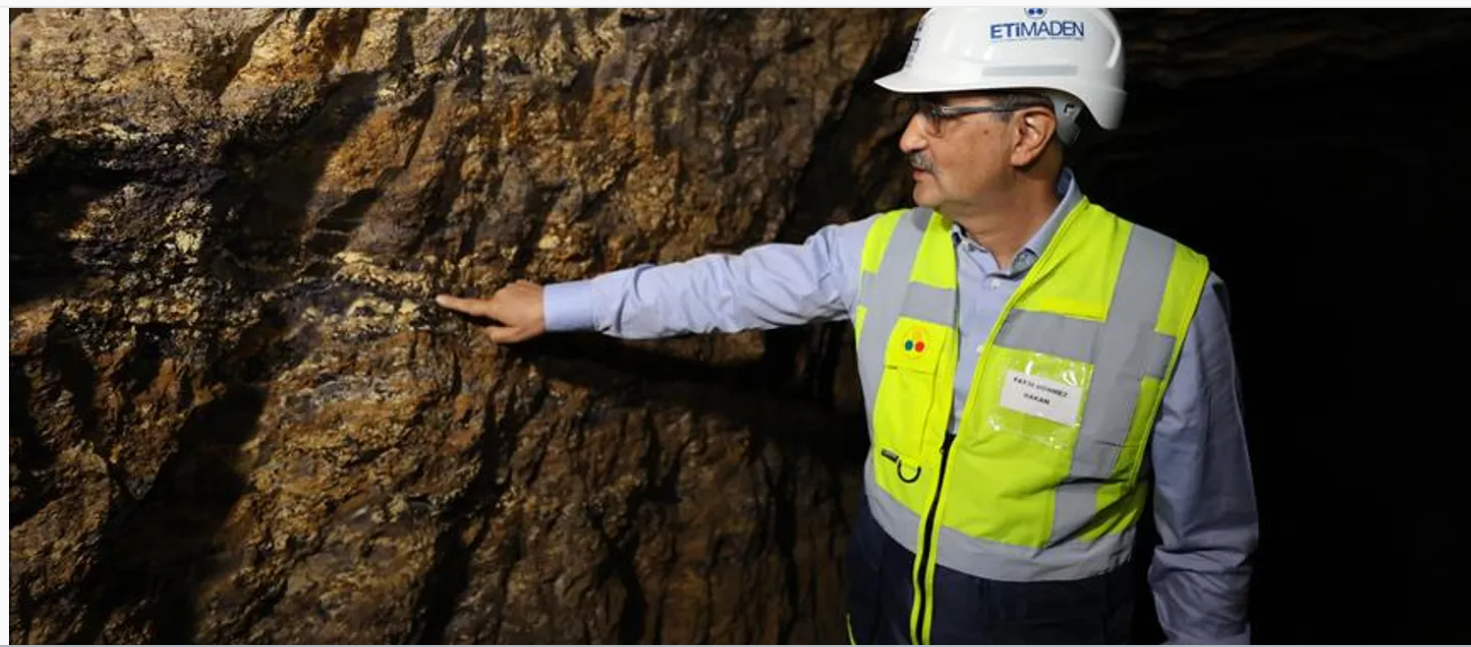
The story of Turkey’s massive rare earth element (REE) discovery has captured global attention, positioning Ankara as a potential player in a market currently dominated by China. Announced in 2022, the claim of a 694-million-ton deposit in the Beylikova district of Eskişehir has been touted as the world’s second-largest, second only to China’s Bayan Obo.
The truth, however, is complex, sitting somewhere between national pride and geological skepticism.
How Real is the “Mineral Mountain” Claim?
The existence of a significant rare earth deposit in Beylikova is undeniable. State-owned company Eti Maden has confirmed the mineralization, which includes highly sought-after elements like neodymium and praseodymium (essential for high-strength magnets in EVs and defense systems), alongside other critical minerals like thorium, fluorite, and barite.
The Reality Check (The Current Status):
- Reserve Size vs. Recoverable Ore: The 694-million-ton figure is the Turkish government’s official estimate of the total geological reserve. However, this figure is based on internal drilling reports and has not yet been independently verified under international standards. To attract major global investment, Turkey is actively pursuing JORC Code certification through the Australian Institute of Geoscientists. This rigorous process will confirm the exact size and quality of the economically recoverable ore, a necessary step that will determine the project’s ultimate global significance.
- The Processing Challenge (The Real Value): Mining is easy; refining is hard. China’s near-monopoly on the global rare earth supply chain is based on its advanced processing technology. Recognizing this, Turkey has already inaugurated a pilot processing facility in Eskişehir and aims to become one of the top five global producers. The final success will depend not on the dirt in the ground, but on its ability to scale up this complex refining capacity.
The White House Connection: Partnership, Not Exploitation
Amid the global push to diversify the supply chain away from China, Turkey’s rare earth find has immediately drawn the urgent interest of the United States and its Western allies.
- Strategic Priority: For the US, securing alternative sources of REEs—which are vital components in modern technology, from F-35 fighter jets to wind turbines—is a matter of national and economic security.
- A Shift to the West: Turkey’s earlier negotiations with China and Russia faltered after both countries refused to agree to Ankara’s core demands: technology transfer and local refining. Turkey refused to be a mere raw material exporter.
- Active US Engagement: Following recent high-level meetings (including the one between President Trump and President Erdoğan), the US and Turkey are in advanced discussions over a strategic partnership. The US is positioned to offer the one thing China and Russia would not: the technology and capital investment needed to build out the full-scale industrial refining capacity on Turkish soil.
By helping a key NATO ally become a reliable, non-Chinese supplier—and a member of the Minerals Security Partnership (MSP)—the US achieves its goal of supply chain resilience while strengthening economic and strategic ties with Ankara.
Various sources screened and filtered by Gemini and PATurkey staff
Related articles

Atilla Yesilada: 2026 Investment Outlook: Navigating Global Shocks and Turkey’s High-Growth Themes
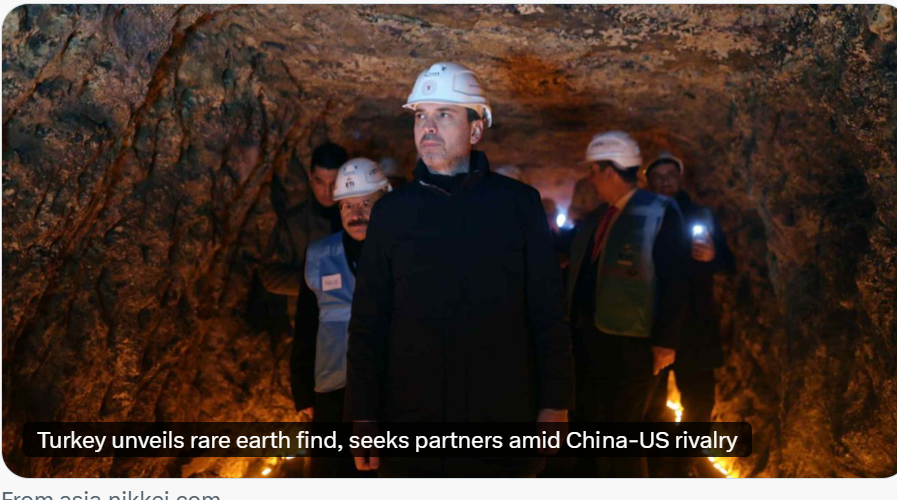
UPDATE: Turkey Unveils Major Rare-Earth Discovery, Seeks Global Partners Amid U.S.–China Rivalry
Turkey and U.S. in Talks on Rare Earth Deal as Ankara Shifts Away From China and Russia