RFİ: Turkish cypriot vote could force shift in erdogan’s approach to divided island
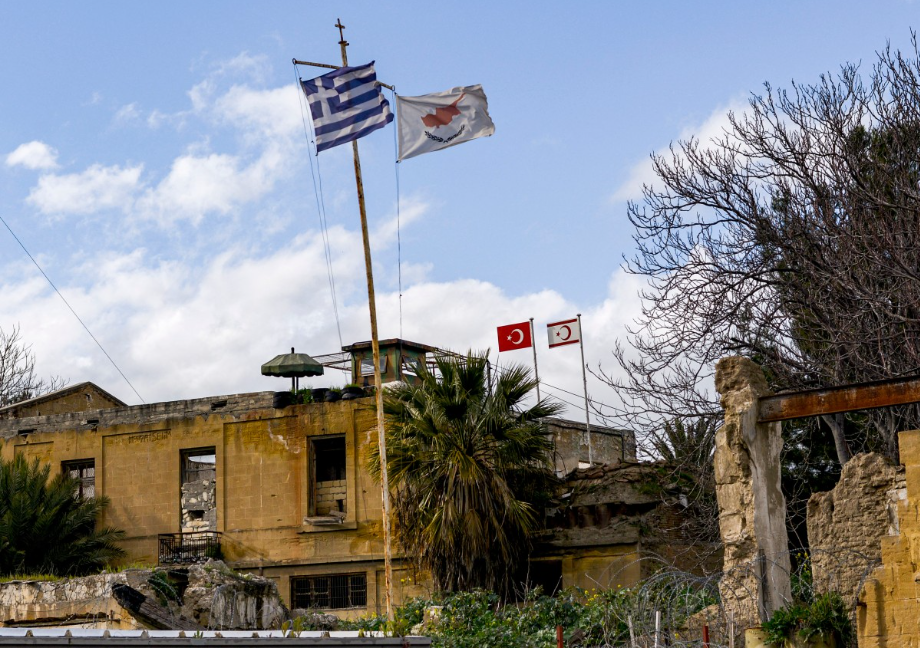 kibris
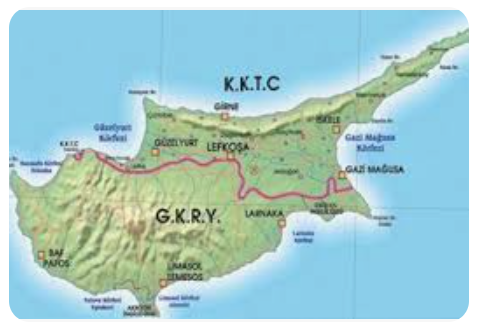
Ankara / Nicosia – Tufan Erhurman’s landslide victory, securing 63 percent of the vote in last weekend’s election in Northern Cyprus, appears to have caught Ankara by surprise. The result has placed significant pressure on President Erdoğan’s long-standing policy regarding the divided island.
Former Erdoğan advisor Ilnur Cevik commented, “The defeat was so big, 63 percent was such a landslide, Ankara was really shocked.”
Erhurman’s Republican Turkish Party (CTP) campaigns on a platform supporting a united island. In contrast, Erdoğan had backed the incumbent, Ersin Tatar of the National Unity Party (UBP), who advocates for two separate states.
Cevik added that despite Ankara amassing its political clout—sending the Vice President five times and numerous delegations—it failed to win Turkish Cypriots over because “the essence of it was Turkey’s interference, which created huge resentment among the Turkish Cypriots.”
🕊️ Shift away from partition: two-state idea is officially dead
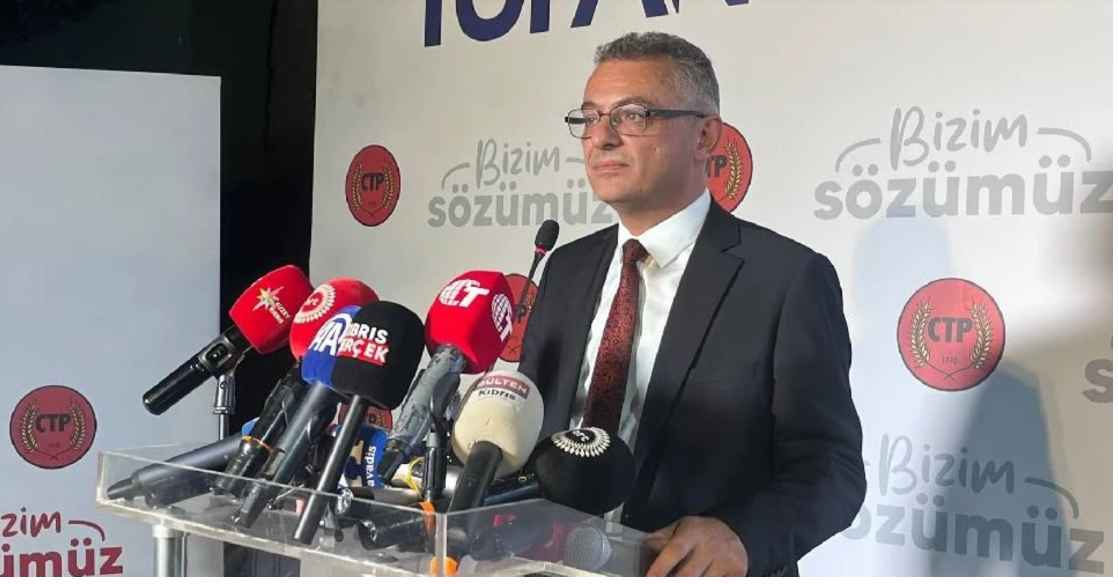
Analysts suggest Erhurman’s win has dealt a decisive blow to Erdoğan’s two-state strategy for Cyprus.
Soli Ozel, from Kadir Has University’s International Relations Department, stated, “The two independent states idea was dead on arrival, and now it’s officially dead.”
Ozel points to Erdoğan’s measured reaction to the election as a sign of an impending policy change.
“President Erdoğan’s message of congratulations to [Erhurman] suggests at least for the moment he’s ready to turn the page on that.”
This stance is notably different from that of his coalition partner, Devlet Bahceli, who controversially called for the election result to be overturned and for the north of the island to be fully integrated with Turkey.
🇪🇺 eu ties on the line: a rare opening for turkey
Former Turkish ambassador Selim Kuneralp said the election offers Erdoğan a valuable opportunity to abandon a policy that has become a major obstacle to improving crucial EU defence relations.
The Cyprus problem has historically blocked Turkey’s aspirations for deeper cooperation and access to the €150 billion SAFE arms programme.
“So far, everything has been blocked by the Cyprus problem,” Kuneralp noted, suggesting the election result provides a rare opening. “Now you’ve got these election results that open a small window. So that’s why the present situation might not be so bad for Erdoğan.”
European governments view Turkey as a critical partner in defending against Russia. Analyst Soli Ozel suggests that a shift back toward unification talks would suit both sides, especially given the geopolitical climate.
Ozel also commented on the evolution of the EU-Turkey relationship: “The European Union is no longer the European Union of our grandmothers; the issues of human rights and rule of law no longer count for anything. That’s a relation that is cleared of its thorns.”
While deepening defence ties are set to top the agenda for the upcoming visit by German Chancellor Frederick Mertz, the extent of Erdoğan’s support for unification could ultimately dictate his next steps with the EU.