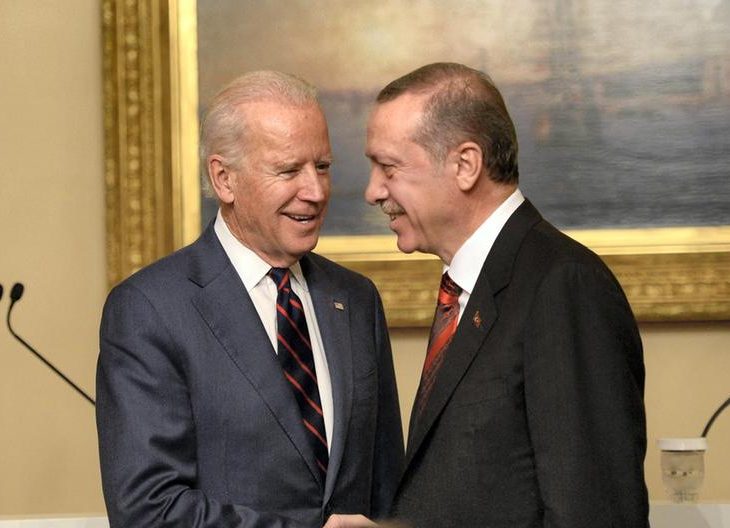
Reuters: Erdoğan Heads to Washington Seeking F-35 Breakthrough in Talks with Trump
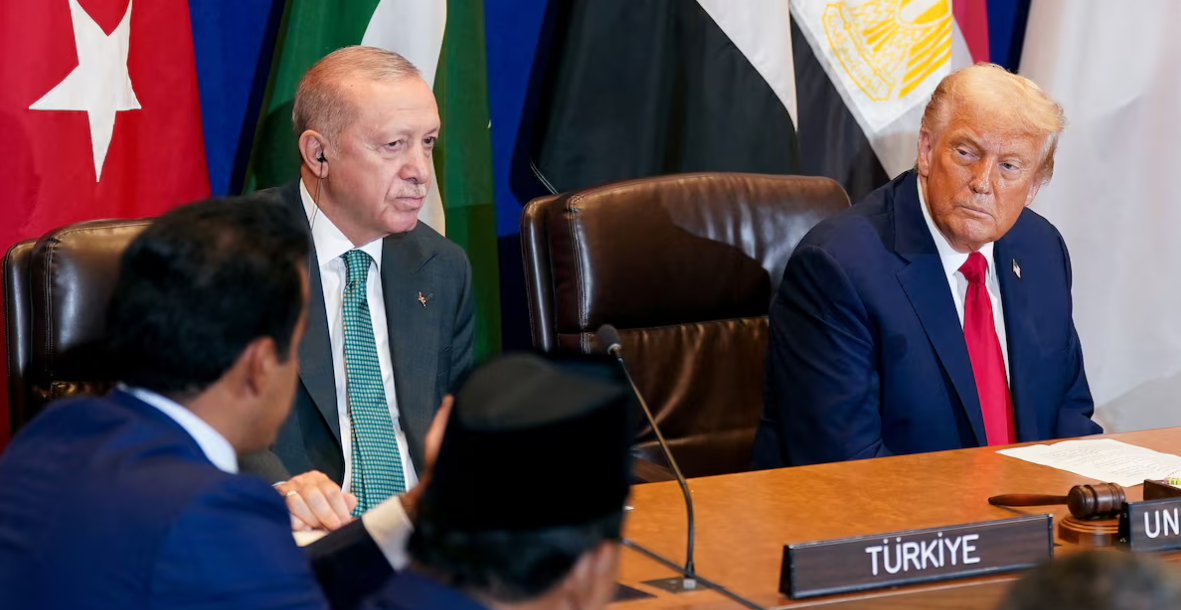 rte-trump2
Turkish President hopes renewed U.S. ties under Trump will unlock F-35 sales and lift key defense sanctions, with broader deals on F-16s, trade, and Boeing jets also on the table.
Turkish President Recep Tayyip Erdoğan is set to visit the White House on Thursday in a high-stakes meeting with U.S. President Donald Trump, aiming to secure the reversal of longstanding sanctions that have blocked Turkey from purchasing F-35 fighter jets.
This marks Erdoğan’s first visit to Washington in nearly six years, and comes amid the warmest bilateral climate in over a decade — largely thanks to Trump’s more personal rapport with Erdoğan and a shared interest in brokering defense and trade deals.
From Sanctions to Sales: Ankara’s F-35 Ambitions Resurface
At the core of Erdoğan’s agenda is the hope that Trump will ease the U.S. sanctions imposed in 2020 over Turkey’s acquisition of Russian-made S-400 air defense systems. The sanctions forced Ankara out of the F-35 program, despite Turkey being both a partner and parts manufacturer in the stealth jet’s production.
Now, Turkish officials are banking on Trump’s transactional style and shared priorities — especially on Syria — to pave the way for a deal.
“Despite expected resistance from U.S. Congress, a green light for Turkish acquisition of F-35s is not inconceivable,” said Timur Soylemez, a former Turkish ambassador. “Provided the political will is there on both sides and diplomats are allowed to hammer out a framework that addresses all the known issues.”
Trump himself struck an optimistic tone, stating that he expects F-35 discussions “to conclude positively.”
F-16 Package Still Alive, but Legal Hurdles Remain
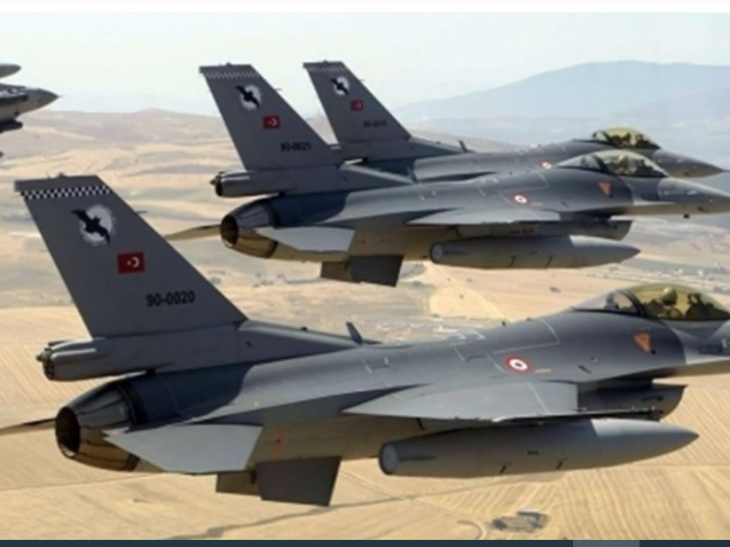
While the F-35s remain a sensitive issue due to legal barriers tied to the S-400s, the Biden-era F-16 deal — which includes upgrades to Turkey’s aging fleet — remains in active negotiation.
According to U.S. officials, the Pentagon recently drafted a “statement of intent” covering the F-16 sale, suggesting forward momentum. However, the advanced specifications requested by Turkey have reportedly pushed costs above that of a standard F-35.
Turkish officials have not publicly commented on the pricing, but Erdoğan has made it clear that bolstering Turkey’s air force is a strategic priority, particularly in light of escalating threats in the Middle East, Eastern Mediterranean, and Black Sea regions.
S-400 Standoff Still the Dealbreaker
While both leaders share a personal affinity, the legal deadlock over Turkey’s S-400 systems remains a fundamental obstacle. Under current U.S. law, no F-35 sales can proceed while Turkey retains the Russian-made missiles — a stance unlikely to shift without some form of compromise or removal.
Nonetheless, the Erdoğan-Trump dialogue could lay the groundwork for a phased solution, especially as Washington views Turkey’s NATO role as increasingly vital amid rising regional instability.
Gaza, Israel, and Geopolitical Flashpoints
Despite the improving mood in U.S.-Turkey relations, sharp disagreements remain — especially over Israel’s war in Gaza. Ankara has accused Israel of genocide, while Erdoğan recently told the UN General Assembly that silence on Gaza atrocities implies complicity.
Though the Gaza issue could introduce friction into the Oval Office talks, both sides are expected to prioritize strategic cooperation over confrontation, focusing on defense, energy, and trade.
$10 Billion Boeing Deal Also in the Works
In addition to fighter jets, Trump is expected to highlight Turkey’s pending agreement to purchase more than 200 Boeing aircraft. Turkish Airlines is currently negotiating a major order of 737 and 787 models, alongside roughly $10 billion in GE aircraft engines, according to U.S. officials.
The commercial aviation package offers Trump a high-profile win in the industrial sector, while providing Erdoğan a significant boost to Turkey’s civil aviation infrastructure.
Eurofighter Typhoon Bid Ruffles Feathers
Turkey is also seeking to purchase 40 Eurofighter Typhoons, a move that has sparked unease in Greece and Israel, two of Washington’s key regional allies. Ankara views the Typhoon as a necessary addition to its air force modernization efforts, particularly as F-35 access remains restricted.
A Calculated Gamble in Washington
Erdoğan’s visit underscores a broader shift in Turkish foreign policy — one that seeks to exploit the transactional nature of Trump’s presidency to reset relations with the West, secure long-sought military hardware, and unlock high-value trade agreements.
For Trump, the meeting offers a chance to demonstrate foreign policy success, reassert U.S. leadership in NATO’s southern flank, and advance domestic industrial goals through defense and aviation deals.
Whether Erdoğan walks away with the F-35s or only partial gains on F-16s and Boeings, Thursday’s meeting will be a defining moment in the recalibration of U.S.-Turkey relations under Trump’s second term.
Related articles
Trump Weighs F-35 Deal to Incentivize Turkey’s Support for Israel-Syria Normalization
U.S. Ambassador Tom Barrack: “Turkish-American Relations Are on the Mend”
Turkey renames İncirlik Base, plans F-16 Deployment