Record Surge in Bankruptcies as Turkey’s Tight Monetary Policy Strains SMEs
 Closed Businesses
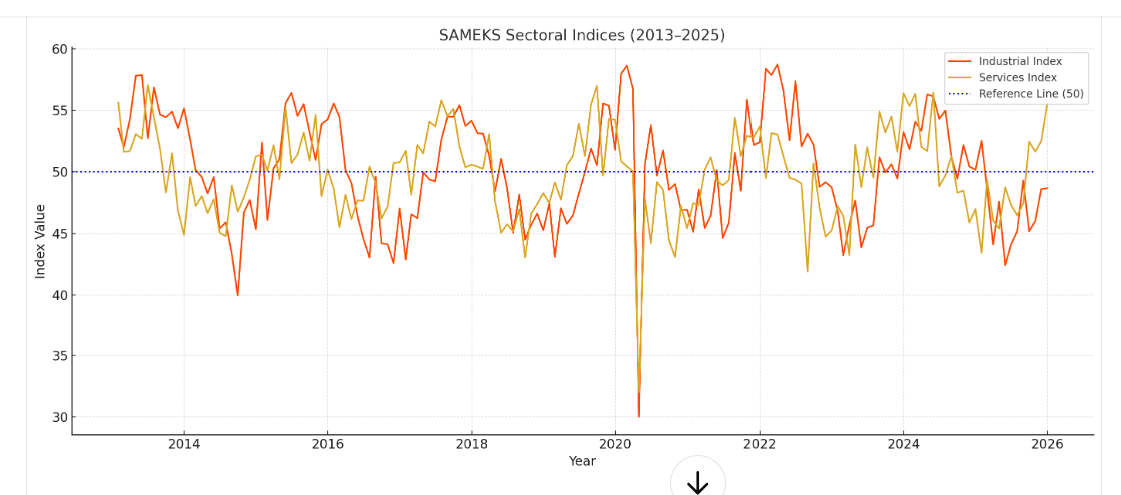
Turkey’s small and medium-sized enterprises (SMEs) in the textile, construction, and furniture sectors are facing an escalating crisis, as high interest rates and limited credit access—resulting from the government’s tight monetary policies—have triggered a historic rise in corporate bankruptcies and concordatum filings.
More Than Double the Concordatum Filings in First Half of 2025
According to CNBC-e, the number of businesses applying for concordatum protection in the first six months of 2025 surged by over 100% compared to the previous year:
-
Firms granted temporary concordatum status: +108%, reaching 1,259
-
Firms granted final concordatum status: +236%, reaching 822
-
Rejected applications: +95%, totaling 333
-
Court-ordered bankruptcies: +101%, reaching 553
The most affected industries include textile, construction, and furniture manufacturing, with sector leaders warning of a potential “domino effect” of bankruptcies.
Sector Leaders Sound Alarm Over ‘Domino Bankruptcies’
Ahmet Öksüz, Chairman of the Istanbul Textile and Raw Materials Exporters’ Association (İTHİB), highlighted that soaring operational costs and limited access to financing are crippling the sector. He especially noted the vulnerability of small subcontractors with weak equity structures.
Öksüz also emphasized the impact of minimum wage hikes on employers, which has added further pressure on already strained firms. He warned that one company’s financial collapse under concordatum could disrupt the entire supply chain—from suppliers to logistics firms.
He called for targeted financial models for exporters, support for balancing energy costs, and legal safeguards for creditors to help prevent a widespread wave of corporate failures.
Furniture Industry Also Feels the Squeeze
Erkan Özkan, President of the Istanbul Furniture, Paper, and Forestry Products Exporters’ Association, echoed similar concerns. He explained that SMEs are downsizing production due to financial constraints, and that insufficient capital and limited flexibility are eroding their competitiveness.
Özkan suggested that now is the time to focus on corporate training, digital transformation, and mentorship programs to help SMEs navigate the storm.