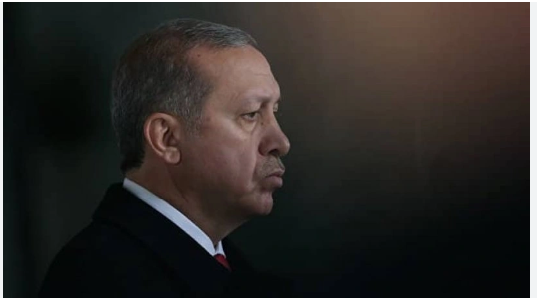
Prominent Turkish Journalist Fatih Altaylı Detained Over Alleged Threat to President Erdoğan
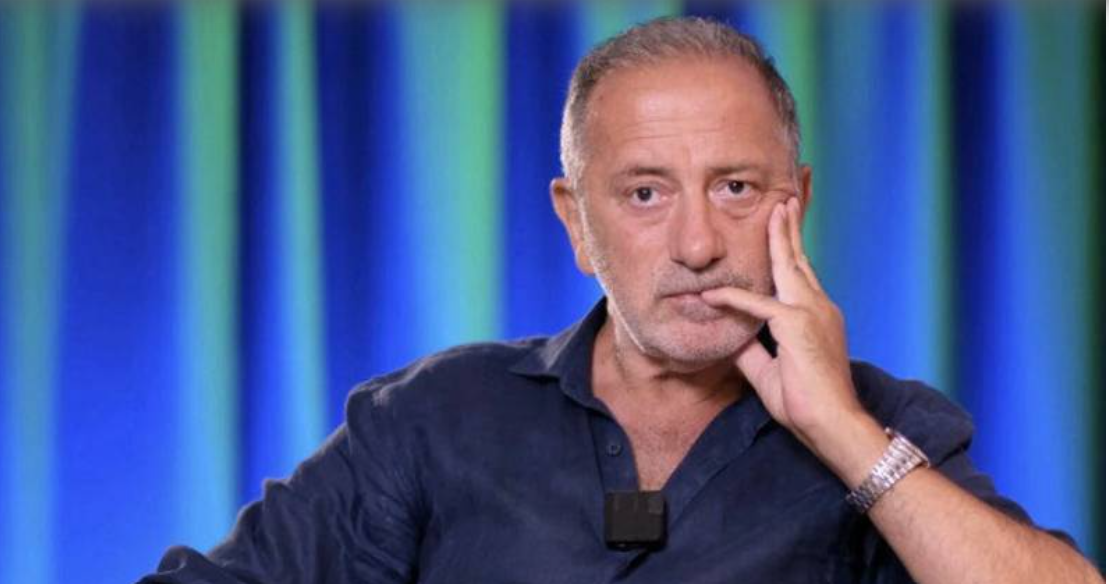 fatih altayli
Summary:
Fatih Altaylı, one of Turkey’s most outspoken and widely known journalists, was detained on Sunday over alleged threats against President Recep Tayyip Erdoğan in a recent YouTube broadcast. His arrest has sparked concerns over the state of press freedom and the criminalization of journalistic commentary in Turkey.
A Voice of Independent Journalism Under Fire
Fatih Altaylı has long been a prominent fixture in Turkish media, known for his sharp commentary, journalistic independence, and decades of experience as a columnist, TV host, and former editor-in-chief of leading outlets such as Habertürk. Altaylı’s arrest on June 23 raises serious questions about the future of free expression in Turkey, where criminal charges are increasingly deployed against dissenting voices.
The journalist was taken into custody on Sunday and brought to the Istanbul Police Department’s Security Branch following remarks made during a political commentary on his YouTube channel. Authorities cited alleged “threats and insults against the President,” invoking Article 310/2 of the Turkish Penal Code, which relates to incitement of violence or attempted assault against the head of state.
According to initial reports, Altaylı is being investigated not only for “insulting the President” but also for allegedly implying physical harm—a much more serious charge under Turkish law. He may be referred to a criminal court for possible arrest following his deposition.
Altaylı: “I know the President personally—any threat is unthinkable”
In his statement to police, Altaylı confirmed that the words spoken during his broadcast were indeed his, but insisted they were misrepresented:
“There was absolutely no intent to threaten or insult the President. My remarks were made in the context of Turkish political history and culture. To suggest otherwise is a distortion.”
Referring to a recent public opinion poll that asked citizens whether they would support constitutional changes allowing President Erdoğan to remain in office indefinitely, Altaylı said he was analyzing Turkish voters’ historic preference for democratic oversight. He argued that, ever since the Tanzimat era of the Ottoman Empire, Turkish people have favored participatory governance.
“Even under the sultanate, people criticized the rulers during Friday processions. I’ve expressed this historical reality many times, alongside historians like Erhan Afyoncu and Murat Bardakçı. It never occurred to me that anyone would extract a threat from such examples.”
Altaylı added that the escalation of this incident into a legal matter was rooted in a “deliberate distortion,” saying:
“I am not responsible for the manipulation of my words to make it seem like I threatened the President. I’ve never threatened anyone—let alone the head of state—at any point in my 45-year career.”
A Chilling Message to Journalists?
The controversy intensified earlier in the day, when Erdoğan’s Chief Advisor Oktay Saral posted a cryptic message on social platform X, saying: “Altaylıııı! The water is starting to boil.” The post, viewed by many as an open warning, came roughly ten hours before Altaylı’s detention.
Altaylı pointed out the timing of Saral’s statement in his defense, arguing that it suggests the case against him is politically motivated and lacking in legal foundation.
Legal and Political Backlash Expected
In his testimony, Altaylı rejected the applicability of Article 310/2, noting:
“This provision requires an actual, direct threat, which is entirely absent. Even if one were to misinterpret my words, there’s no legal ground for this prosecution. The speech in question began with the phrase, ‘The Turkish people love the ballot box,’ clearly showing my intent to promote democracy.”
Altaylı has requested that prosecutors drop the case on the grounds of no criminal intent or legal basis.
International Implications
The arrest has drawn the attention of press freedom advocates both domestically and abroad. Critics argue that the charges reflect a broader trend in Turkey where journalists, academics, and opposition figures face escalating pressure for public commentary, particularly when it involves President Erdoğan.
The case is expected to set an important precedent as to how far historical analogies and political analysis can go before crossing into criminal territory under Turkish law.
IMPORTANT DISCLOSURE: PA Turkey intends to inform Turkey watchers with diverse views and opinions. Articles on our website may not necessarily represent the view of our editorial board or count as endorsement.
Follow our English-language YouTube videos @ REAL TURKEY: https://www.youtube.com/channel/UCKpFJB4GFiNkhmpVZQ_d9Rg
And content on Twitter: @AtillaEng
Facebook: Real Turkey Channel: https://www.facebook.com/realturkeychannel/
Related articles
Pro-AKP journalist: “If allegations are true, a trustee will be appointed to Istanbul Municipality”
Arrest Warrant Issued for Opposition Broadcaster Cafer Mahiroğlu Amid Widening Crackdown on Critical Media
Turkish Pop Star Hande Yener Under Investigation for “Targeting Constitutional Order”