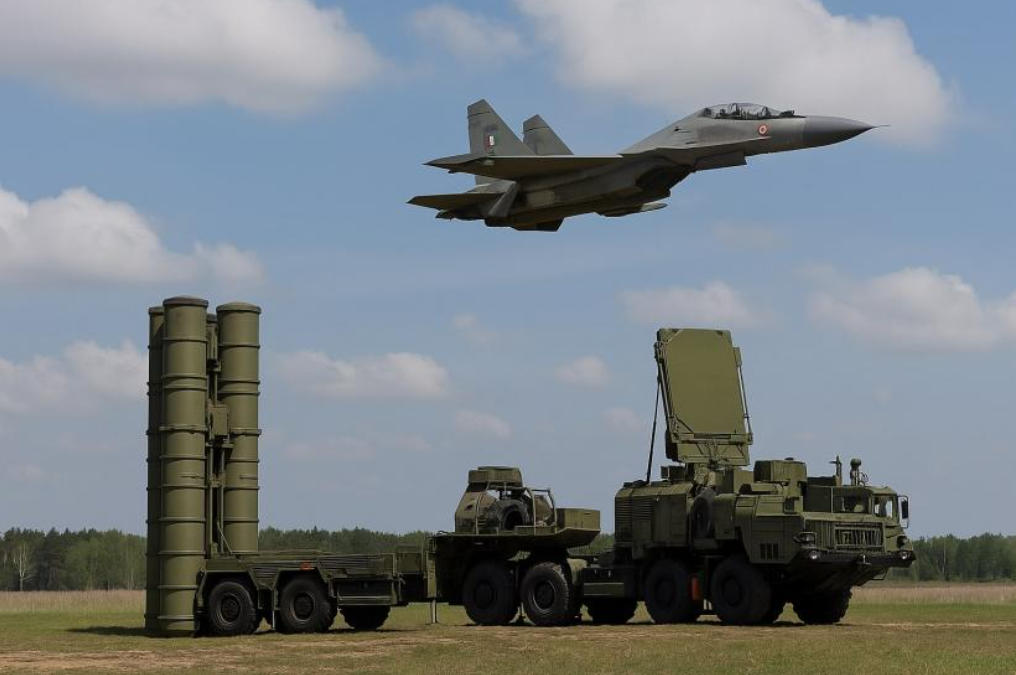
Pompeo Criticizes Turkey’s NATO Role and Defense Strategy
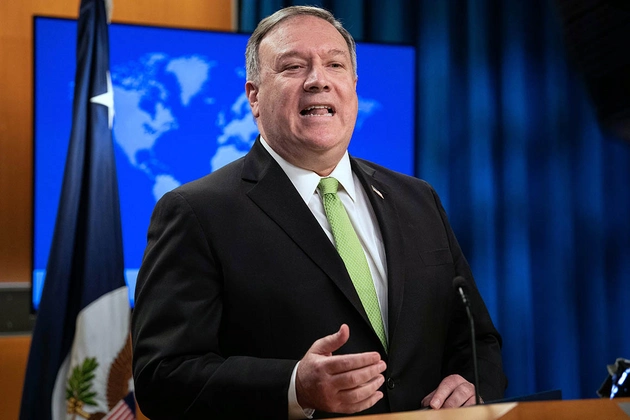 Mike-Pompeo
At a recent economic forum in Cyprus, former U.S. Secretary of State Mike Pompeo delivered a pointed critique of Turkey’s foreign policy and defense posture, arguing that Ankara’s geopolitical approach has become increasingly incompatible with its NATO commitments.
Speaking before an audience of diplomats, economists, and regional policymakers, Pompeo described Turkey’s evolving stance as a “conflict of loyalty,” suggesting that its dual alignment with both the West and Russia poses significant challenges to alliance cohesion and Western security interests.
Pompeo: “Turkey Faces a Conflict of Loyalty”
Pompeo, who served as Secretary of State under former President Donald Trump, said Turkey’s ongoing effort to maintain parallel relationships with NATO and Russia undermines the collective trust within the Western alliance. “You cannot simultaneously sustain close military and diplomatic ties with adversaries of the West and still expect to meet NATO’s strategic expectations,” he said.
His comments centered on Turkey’s purchase of the Russian S-400 air defense system, a move that has long been a source of friction between Ankara and Washington. Pompeo stated that Western leaders have repeatedly failed to convince Turkey that owning Russian-made weapons systems while being part of NATO represents a “fundamental incompatibility” that jeopardizes shared defense security.
S-400 Fallout and the F-35 Program
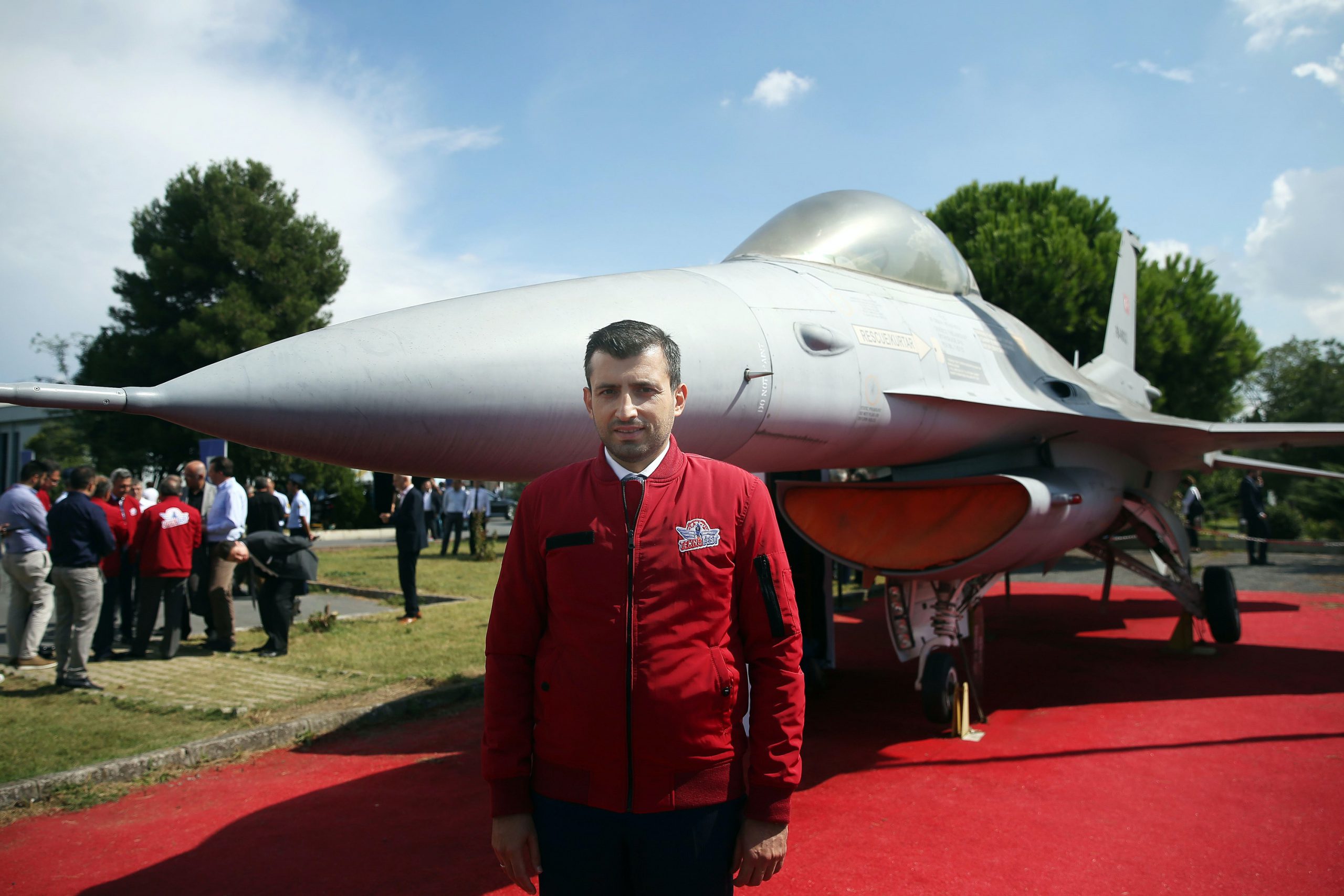
Pompeo reminded attendees that Turkey’s acquisition of the S-400 directly resulted in its removal from the U.S.-led F-35 fighter jet program, effectively excluding Ankara from one of the world’s most advanced defense technology projects.
“The issue is not just about one weapons system,” he explained. “It’s about the trust and technological integrity that hold NATO together. When a member state purchases advanced military hardware from Moscow, it raises legitimate questions about where its long-term loyalties lie.”
Pompeo’s remarks echoed a broader debate in Washington and Brussels over Turkey’s strategic orientation, with many Western policymakers urging Ankara to clarify its position amid shifting global power dynamics.
Strained Relations and Strategic Ambiguity
Tensions between Turkey and the United States have persisted for years, fueled by disagreements over Syria, defense procurement, and regional security alliances. While Ankara insists that it maintains an independent foreign policy serving national interests, Western officials often interpret this stance as strategic ambiguity.
Turkey’s decision to deepen cooperation with Russia in areas such as energy, defense, and trade has only intensified skepticism among NATO members. Pompeo’s critique at the Cyprus forum underscored a growing unease that Turkey’s balancing act may no longer be sustainable in an increasingly polarized geopolitical environment.
Pompeo on Cyprus: “Peace Requires Political Will”
Beyond defense issues, Pompeo also addressed the Cyprus dispute, one of the Mediterranean’s most enduring geopolitical challenges. He argued that while Turkish Cypriots have shown a willingness to engage in peace efforts, the same cannot be said for Ankara’s leadership.
He claimed that “Turkish Cypriots desire a comprehensive settlement and peace with the Greek Cypriot community,” but suggested that Turkey’s political leadership lacks equivalent commitment, effectively hindering progress toward reunification.
Pompeo called for “genuine political will” from all sides, emphasizing that a sustainable peace on the island requires constructive dialogue rather than political maneuvering. His remarks were widely interpreted as an implicit endorsement of Greece and the Republic of Cyprus’s positions within ongoing negotiations.
A Broader Message on Western Unity
Pompeo’s appearance in Cyprus carried a broader strategic message about the future of Western alliances. As the global balance of power continues to shift, he argued that unity among NATO members depends on consistency of values and defense commitments.
Without explicitly calling for sanctions or policy action, Pompeo’s comments nonetheless signaled that Ankara’s approach remains under close scrutiny in Western capitals. His speech reflected enduring concerns that Turkey’s pursuit of autonomy in foreign affairs—while legitimate in principle—could erode the very alliances that have underpinned its security for decades.
The former Secretary of State’s critique may also foreshadow renewed debate in the United States about how to engage with Turkey as both a NATO ally and an increasingly independent regional power.
Related articles
Northern Cyprus Election: Between Shadows and the People’s Voice
Anil Can Ozgun: Turkey’s Syria Strategy Is About Realpolitik, Not Neo-Ottomanism
Turkey’s defense industry is taking tremendous strides.. Why?