PKK Lays Down Arms After Decades: Öcalan’s Call Sparks Historic Turn
 PKK
PKK
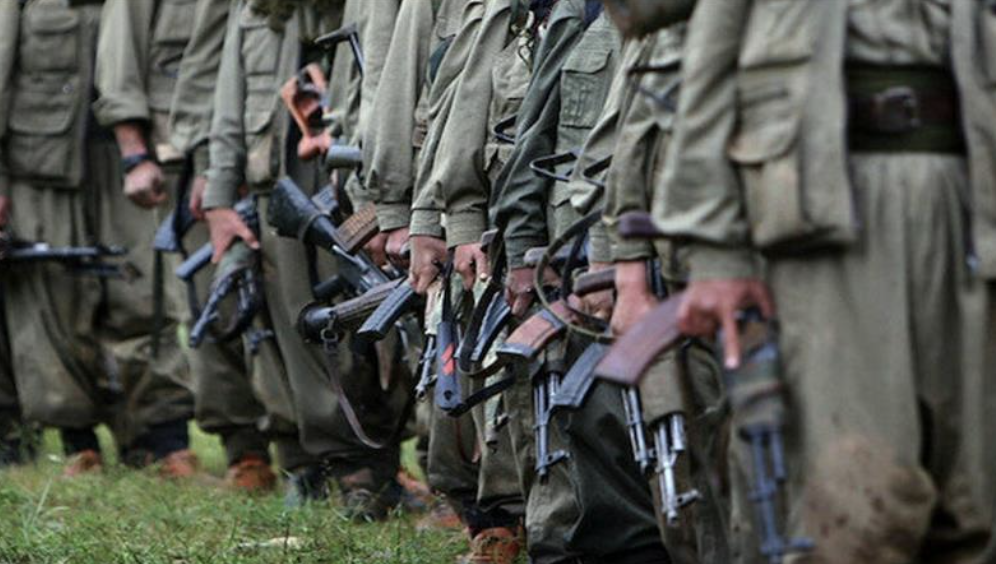
A symbolic turning point in Türkiye’s decades-long conflict with the PKK is underway, as a group of militants is set to lay down arms in a ceremony held in Sulaymaniyah, in the Kurdistan Region of Iraq, following the group’s official dissolution decision earlier this year.
This action stems from a disarmament call made by imprisoned PKK leader Abdullah Öcalan on February 27, which led to a formal decision to disband the organization during the May 5–7 congress. Today, July 11, marks the first major public step in that process.
Despite wide media interest—including coverage attempts by international outlets—the ceremony is being held behind closed doors. The KCK, an umbrella group linked to the PKK, cited security concerns as the reason for barring journalists and prohibiting live broadcasting. Instead, updates will be relayed through pre-recorded video statements and a public viewing screen outside a local hotel in Sulaymaniyah’s Dukan district.
The DEM Party confirmed the event and stated that the disarmament declaration by the “Peace and Democratic Society” group would be aired between 11:45 AM and 2:00 PM local time.
This development follows a video message from Öcalan—his first in years—urging the PKK to embrace politics over violence. “I believe in the power of politics,” Öcalan declared, in what experts view as a pivotal appeal for long-term de-escalation.
In the lead-up to the event, a delegation crossed from Silopi’s Habur Border Gate into the Zakho region of Iraq. There, the group was formally welcomed by KRG officials, including spokesman Dilshad Shahab, Duhok Governor Dr. Ali Teter, and representatives of the Kurdistan Democratic Party (KDP) before heading to Erbil, and later to Dukan for the ceremony.
While analysts see this as a symbolic end to armed conflict in the region, they also highlight lingering ambiguities about the group’s global presence. No clear timeline has been shared regarding the PKK’s full withdrawal from other regions, leaving questions about the future of the peace process.
Related articles
Peace Commission Report: Virtue Signaling or Roadmap for Democratization?
PKK Disarmament Process Begins Amid Regional Diplomacy and Ankara Optimism
Tim Ash Türkiye Trip Notes: Politics, Markets, and Geopolitics Through a Risk Lens