PKK Disbands: Türkiye Enters New Era of Peace, Economic Growth and Regional Revival
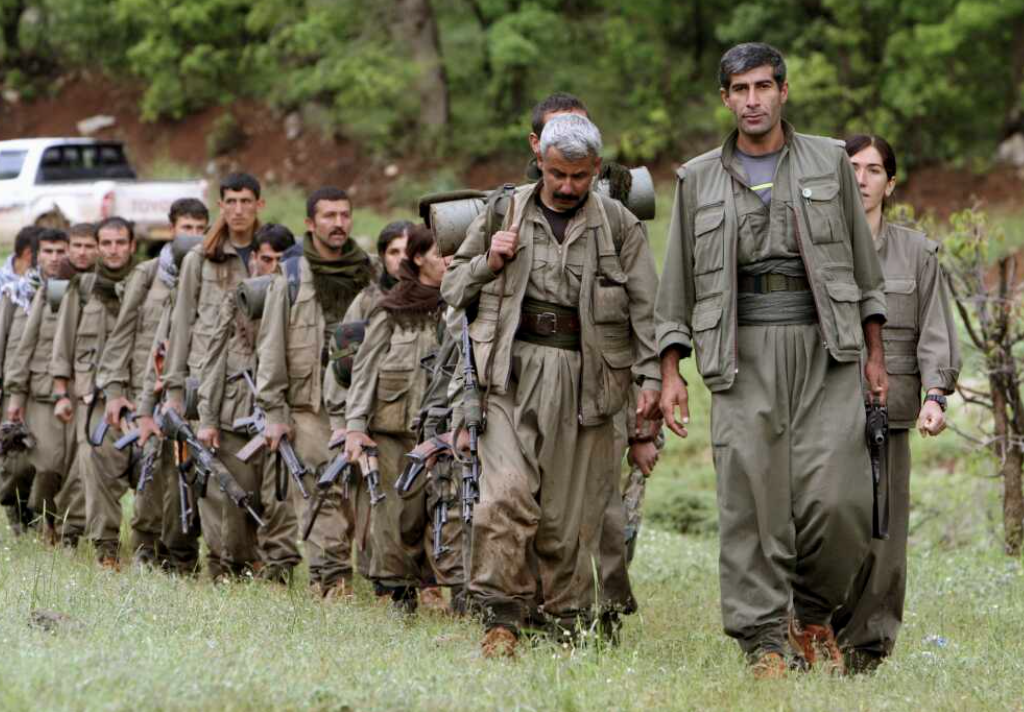 PKK
PKK
The disbanding of the PKK terrorist organization has been welcomed by Turkish officials and business leaders as a “historic breakthrough” that paves the way for lasting peace, economic revival, and enhanced investor confidence across Türkiye.
The group’s decision to lay down arms and dissolve marks a potential end to over four decades of conflict that claimed thousands of lives and imposed billions in counterterrorism costs. The move is seen as a turning point that could redefine Türkiye’s economic trajectory, especially in eastern and southeastern provinces long affected by violence and instability.
A Boost for Investment and Stability
Treasury and Finance Minister Mehmet Şimşek hailed the moment as pivotal for national progress.
“Now is the time for peace, stability, and prosperity,” he said.
“Security and stability will be reinforced in Türkiye and our region, and the investment climate will improve even further.”
Writing on X, Şimşek emphasized that through the Terror-Free Türkiye process, the country will now be able to channel its energy and resources toward productive sectors such as innovation, development, and education, unlocking new avenues for sustainable growth.
Economic Renaissance in the East
Ankara Chamber of Commerce Chair Gürsel Baran called the development a “historic turning point” that could unleash Türkiye’s full economic potential.
“Terror has not only cost lives but also hampered national prosperity and development,” he said.
Baran underlined that public funds previously directed toward defense and security can now be reinvested in infrastructure, employment, and entrepreneurship, especially in underdeveloped regions. He noted that secure conditions are essential for fostering tourism, exports, and long-term investment.
Risk Perception Plummets, Investor Confidence Rises
Istanbul Chamber of Commerce (ITO) Chair Şekib Avdagiç expressed strong optimism, stating that the decision eliminates a major barrier to economic expansion.
“Risk perceptions will drop to a minimum,” he said, “and in the long run, this will serve as a foundation for becoming one of the world’s top 10 economies.”
He noted that local and foreign investor confidence is expected to surge, especially with reduced security concerns and a stabilized regional outlook. The improved atmosphere could also stimulate mutual investments with neighboring countries, particularly Iraq, Syria, and Iran.
Avdagiç emphasized that while national security will remain a priority, the reallocation of defense spending toward development projects in health, education, and transportation will trigger a broad-based economic transformation.
“Türkiye is entering a new era,” he said, “especially in the east and southeast, where we expect growth across sectors including trade, infrastructure, tourism, and innovation.”
The consensus among economic leaders is clear: ending terrorism clears the path for Türkiye to redirect its future toward stability, prosperity, and global economic leadership.
Related articles
OPINION: Why Turkish Society Remains Unconvinced by the Peace Process
Parliament’s Commission for a Terror-Free Türkiye Nears Completion
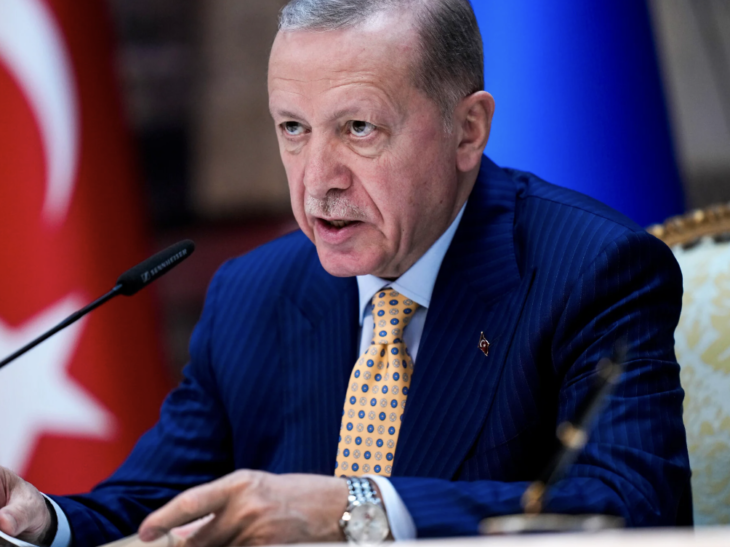
Erdoğan: “PKK to Lay Down Arms, A New Era Begins for Türkiye”