Peace Process Commission Deliberations Nears End, Kurds Want Legislation
 surec komisyonu
Summary:
Turkey’s parliamentary commission on the Imrali Process — the initiative following the PKK’s disarmament — is reaching its final stage. Parliamentary Speaker Numan Kurtulmuş announced that the hearings and consultations with civil society and experts are nearly complete, with a comprehensive report soon to be presented to the General Assembly. Meanwhile, the pro-Kurdish DEM Party is urging faster legal steps, and new signs of dialogue between Turkey and Syrian Kurdish authorities — including a preliminary deal to reopen the Nusaybin border crossing — add further weight to the political process.
Commission reaches conclusion in Ankara
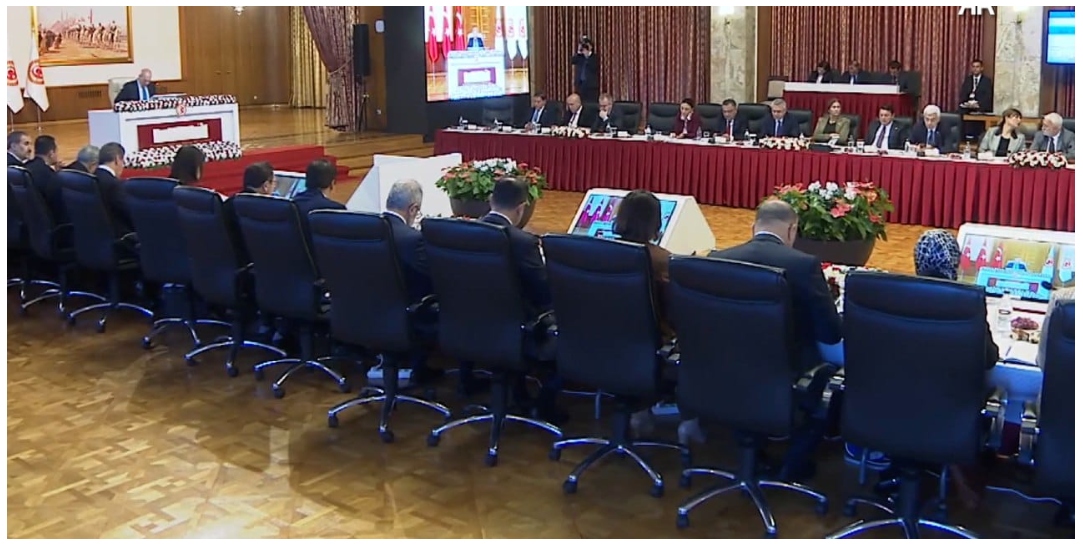
The Turkish Grand National Assembly (TBMM) Speaker Numan Kurtulmuş announced on Wednesday that the National Unity, Solidarity and Democracy Commission — established to oversee the peace process that followed the outlawed PKK’s historic disarmament — is nearing the end of its work.
The commission, meeting for the 13th time, convened for the first time while the General Assembly was in session. Opening the session, Kurtulmuş praised the commission’s pluralistic and inclusive style, saying it could serve as a model for Turkey’s broader democratic culture.
“We are now coming to the end of the listening phase,” Kurtulmuş said, thanking civil society representatives, academics, and experts who have shared their views. He added that a comprehensive framework report would soon be finalized and presented to parliament, including recommendations for the next steps in implementing the process.
DEM Party calls for urgent legal action
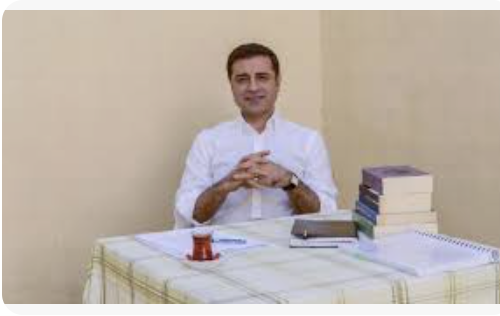
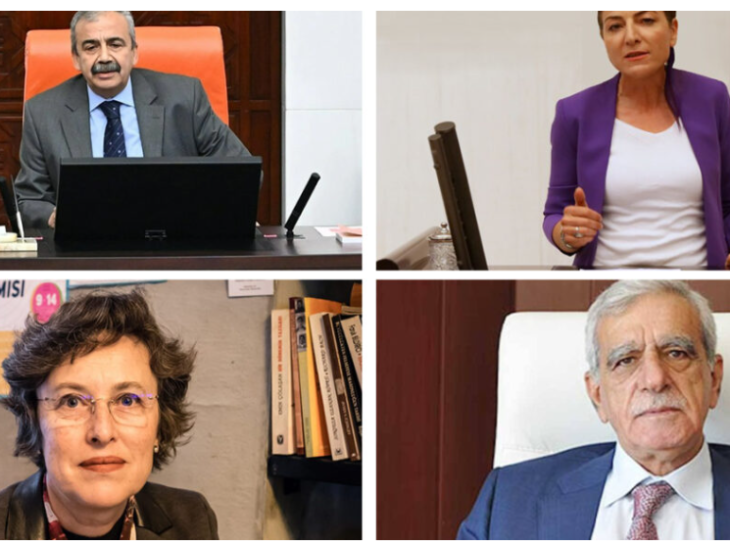
The pro-Kurdish DEM Party, which has been critical of government policy during the process, reiterated its call for faster legal reforms. On Tuesday, at the reopening of parliament, DEM leaders condemned the government’s ongoing use of trustees in municipalities and the continued imprisonment of former HDP leader Selahattin Demirtaş and Istanbul Mayor Ekrem İmamoğlu.
The party warned that the peace process is moving too slowly and demanded immediate legislative changes to anchor the disarmament into law.
Regional implications: Nusaybin crossing deal
Beyond Ankara, developments in northern Syria are adding momentum to the political context. Ilham Ahmed, a senior official of the Kurdish-led administration in northeast Syria, told London-based Al Majalla magazine that a preliminary agreement had been reached with Turkey to reopen the Nusaybin border crossing between Mardin province and Qamishli.
Closed since 2012, the crossing’s reopening would boost cross-border trade and bring economic relief to both Kurdish and Arab-majority regions. Ahmed said the breakthrough was linked to recent progress in the Turkey-PKK peace process, citing Abdullah Öcalan’s February call for the PKK to disband and the militants’ subsequent public disarmament in July.
“Recent steps have opened limited communication channels with Ankara,” Ahmed explained, while stressing that Turkey should act as a neutral mediator in ongoing talks between the Syrian Democratic Forces (SDF) and Damascus.
The broader peace framework
The Imrali Process, named after the island where Öcalan is imprisoned, was launched in late 2024 when the PKK announced it would lay down arms after four decades of insurgency. The group formally declared in May 2025 that its “historic mission” was over and staged a symbolic weapons-burning ceremony in northern Iraq.
Turkey’s key demand remains unchanged: the removal of PKK influence from the Syrian Kurdish administration. However, Ankara has gradually opened quiet channels with the SDF, once unthinkable due to years of hostility, through ceasefires and backchannel talks.
Negotiations between the SDF and the transitional government in Damascus — formed after Bashar al-Assad’s removal in December 2024 — are ongoing. Talks cover integrating SDF fighters into the Syrian state, decentralization models, and the transfer of border crossings and civil institutions.
What comes next in Ankara
Speaker Kurtulmuş emphasized that the commission will soon deliver a “roadmap report” to parliament, providing the legal and institutional framework for embedding the peace process. Civil society, academics, and political parties are expected to continue shaping the debate, but concrete legal reforms remain the critical next step.
The coming weeks are likely to determine whether Turkey’s political leadership can transform the PKK’s historic disarmament into a lasting settlement that integrates Kurdish demands, satisfies state security concerns, and contributes to regional stability.
IMPORTANT DISCLOSURE: PA Turkey intends to inform Turkey watchers with diverse views and opinions. Articles on our website may not necessarily represent the view of our editorial board or count as endorsement.
Follow our English language YouTube videos @ REAL TURKEY: https://www.youtube.com/channel/UCKpFJB4GFiNkhmpVZQ_d9Rg
And content at Twitter: @AtillaEng
Facebook: Real Turkey Channel: https://www.facebook.com/realturkeychannel/