MÜSİAD Chief: 2026 Minimum Wage Should Reflect Inflation
 Wages in Turkey
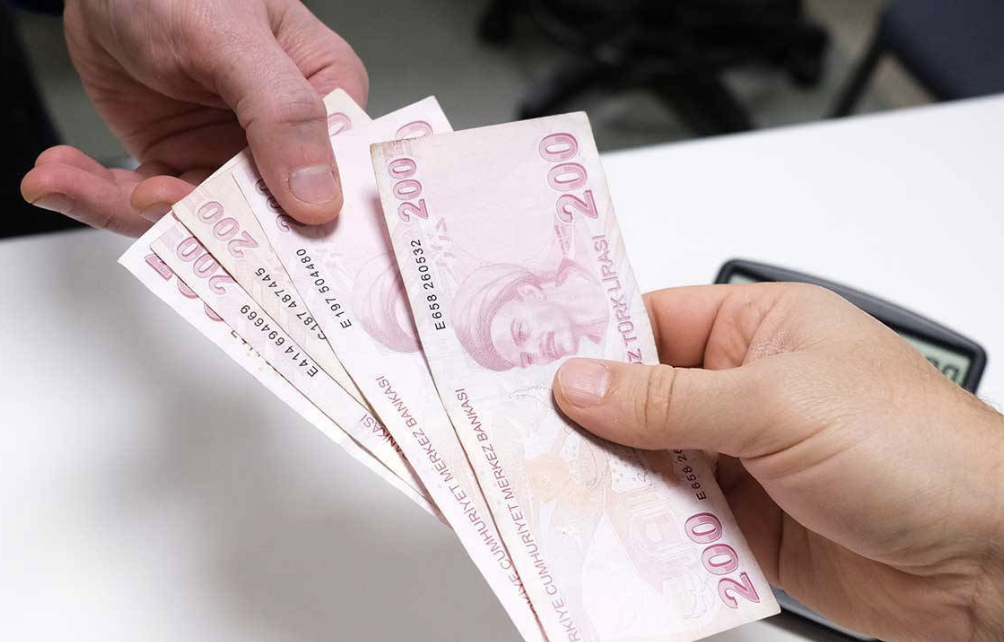
Burhan Özdemir, President of the Independent Industrialists and Businessmen’s Association (MÜSİAD), has outlined his view on how Turkey’s 2026 minimum wage should be determined. Speaking on a televised program, Özdemir said the new wage should be based primarily on realized inflation and then adjusted upward by the country’s growth rate — a formula he believes would better balance the interests of both employers and employees.
“The minimum wage should be set by taking into account realized inflation, not projections,” Özdemir said. “On top of that, a fair share from national income should be added based on the growth rate. It’s important that the announced figure lifts public morale and does not lag behind inflation.”
His remarks come amid heightened public debate over next year’s wage policy as inflationary pressures persist, even as business groups call for measures to protect competitiveness and financial stability.
Inflation Rise Not Yet Causing Panic in Business Circles
Özdemir emphasized that the recent uptick in inflation — despite being one of the highest in the past decade — has not triggered panic in the business community.
“The business world has learned to act based on data,” he noted. “While there have been some distortions in pricing behavior since June, this doesn’t signal an emergency. What we need now is to rebuild confidence that inflation and interest rates are entering a downward trend.”
His comments reflect cautious optimism among industrialists who expect inflation to moderate in the coming months but remain wary of fluctuating borrowing costs and tight liquidity conditions.
Expecting a 100–150 Basis Point Rate Cut
On monetary policy, Özdemir said MÜSİAD expects the Central Bank to cut interest rates by 100–150 basis points in its upcoming meeting. However, he criticized commercial banks for not reflecting the reductions in lending costs.
“We see that while the policy rate is falling, credit interest rates are not declining proportionally. Access to financing remains difficult,” he said. “A monetary policy focused solely on lowering inflation could destabilize market balance if not aligned with real-sector needs.”
Özdemir’s remarks highlight ongoing tension between monetary tightening and business financing, as companies struggle with high loan rates despite central bank easing expectations.
Proposal: Reintroduce Regional Minimum Wage Model
The MÜSİAD president also called for reconsideration of the regional minimum wage model, which Turkey implemented until 1985, arguing that regional disparities in cost of living should once again be taken into account.
“This model could be beneficial if re-evaluated,” Özdemir said. “It can be launched as a pilot program in Istanbul, allowing regional differences to be reflected more accurately.”
Supporters of this model argue it would help ease cost pressures on smaller provinces while providing higher wages in major urban centers where living costs are significantly higher.
Balancing Growth and Fair Pay
Özdemir concluded by underlining that Turkey’s economic outlook — marked by moderate growth, inflationary persistence, and cautious optimism — requires a measured but fair approach to wage-setting.
“The goal should be to maintain production momentum while safeguarding household purchasing power,” he said.
Business associations like MÜSİAD believe that tying wage adjustments to both inflation and GDP growth would create a more sustainable equilibrium, supporting both economic expansion and social stability as the country enters 2026.
Related articles
CBRT governor Karahan: Tight monetary stance to continue until disinflation achieved

Turkey’s $40 Billion Bet: Şimşek Vows to Crush Inflation by 2027 — No Matter the Cost

Turkey’s Real Sector Confidence Rises in October