Inflation Expectations Ease Across Households, Businesses, and Markets in Turkey
 inflation
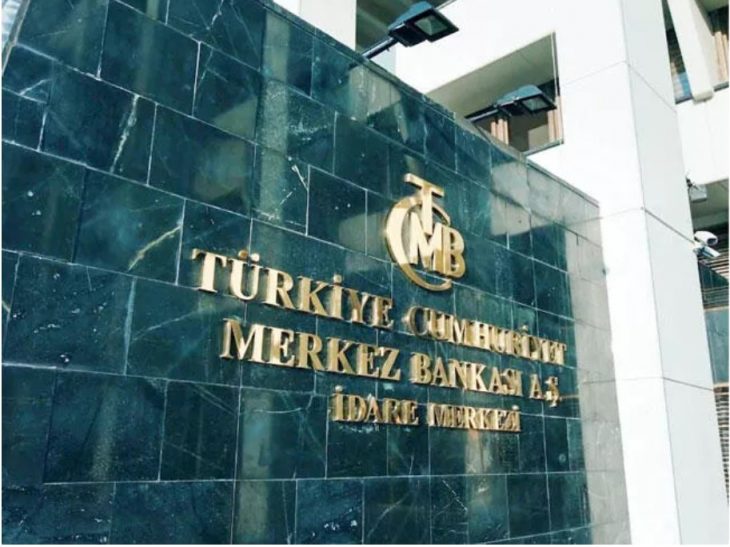
The Central Bank of the Republic of Turkey (CBRT) has reported a continued decline in inflation expectations across households, the real sector, and market participants, suggesting growing optimism for the country’s disinflation outlook.
According to the CBRT, the latest survey results show that households’ 12-month inflation forecast dropped slightly by 0.4 points, bringing it to 54.1%. This improvement, while modest, adds to the broader trend of easing expectations observed over the past year.
Surveys Tracking Inflation Sentiment
The findings were derived from a comprehensive set of surveys carried out in cooperation with the Market Participants Survey, the Economic Tendency Survey, and the Consumer Tendency Survey, conducted in partnership with the Turkish Statistical Institute (TurkStat).
Through these surveys, expectations for 12-month consumer inflation were gathered from financial sector experts, real sector professionals, manufacturing industry firms, and households. Together, these results form the Sectoral Inflation Expectations indicator, a key measure of public and professional sentiment toward future price levels.
Key Findings for August 2025
The data for August 2025 point to a noticeable improvement in inflation forecasts compared to the previous month:
-
Market participants: Their 12-month inflation expectation declined by 0.6 points, settling at 22.8%.
-
Real sector: Forecasts dropped more sharply, by 1.3 points, reaching 37.7%.
-
Households: Expectations eased by 0.4 points, now at 54.1%.
These declines across different groups reflect a gradual but consistent shift toward optimism regarding Turkey’s inflation trajectory.
Growing Optimism Among Households
Beyond the numerical forecasts, the survey highlighted another encouraging development: a rising share of households now believe inflation will fall over the next year.
The percentage of households expecting a decline in inflation increased by 1.0 point compared to the previous month, reaching 27.6%.
Although still a minority, this rising share suggests that confidence in the government’s disinflation program is slowly building momentum among everyday citizens — a crucial factor for strengthening economic stability.
Why These Expectations Matter
Economists often stress that inflation expectations are self-reinforcing. If consumers and businesses anticipate high inflation, they adjust their spending, pricing, and wage negotiations accordingly, which can prolong inflationary cycles. Conversely, if expectations shift downward, they reduce pressure on prices and support disinflation policies.
In this sense, the decline across households, businesses, and market participants signals not just statistical improvement but also an important psychological shift. Confidence in future stability often becomes a critical driver of real-world outcomes.
The Broader Economic Context
Turkey has struggled with elevated inflation in recent years, creating significant challenges for households whose purchasing power has been eroded. The government and the CBRT have been working to tighten policy and restore credibility, aiming to achieve durable price stability.
The latest survey results suggest that these measures are beginning to filter into the expectations of key economic actors. While household forecasts remain high at 54.1%, the decline compared to previous periods indicates progress. More strikingly, the much lower expectations of 22.8% among market participants and 37.7% in the real sector reflect a level of confidence that could encourage greater investment and stability in the months ahead.
Outlook for the Coming Year
The gradual decline in inflation expectations provides cautious optimism for the Turkish economy heading into 2026. If expectations continue to fall, it could reinforce consumer trust, stabilize financial markets, and create conditions for sustainable growth.
However, maintaining this momentum will require consistent policy discipline, particularly in monetary and fiscal management. Global energy prices, exchange rate pressures, and external financial conditions will also remain key risks that could influence expectations in the coming months.
Still, the broad-based decline across households, the real sector, and market participants demonstrates that Turkey is beginning to move in the right direction.