Global Apparel Demand Rebounds, But Turkey Misses Out
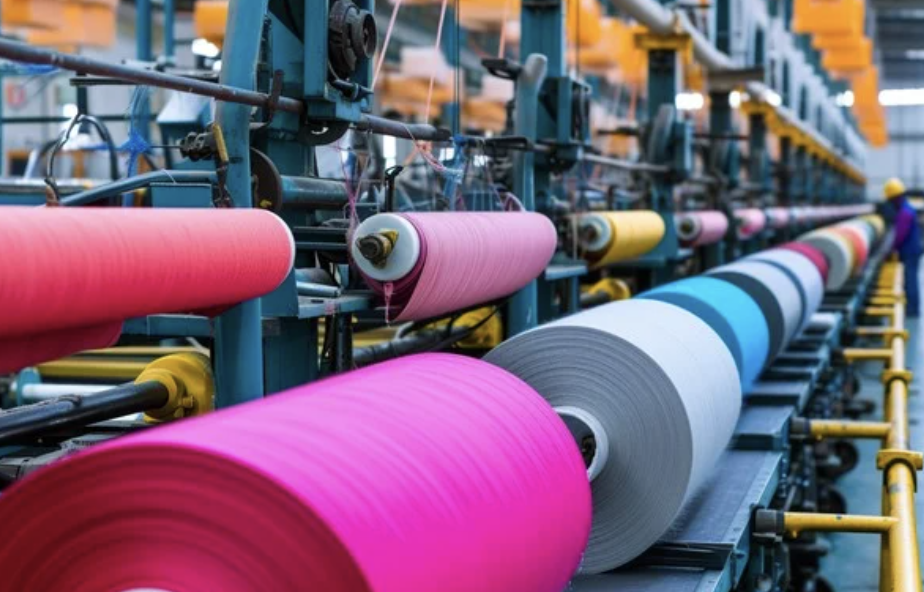 Textile Industry in Turkey
Despite strong recovery in EU and US imports, Turkish garment exports falter amid rising labor and production costs.
A sharp rebound in global apparel imports is underway, led by the European Union and the United States—together the world’s two largest clothing markets. Yet Turkey, traditionally a top supplier, has failed to benefit from this recovery. Increasing labor costs and declining price competitiveness have pushed Turkish exporters to the sidelines as countries like China, Vietnam, and Bangladesh seize market share.
While both EU and US apparel imports surged by over 10% in early 2025, Turkish exports to these key markets either stagnated or declined.
Europe’s Appetite for Apparel Grows — But Not From Turkey
In the first quarter of 2025, the EU’s total apparel and garment imports grew 11.6% in value to €49.1 billion and 11.8% in volume to 2 million tons. Of this, 47.8% came from non-EU countries, with China dominating the field.
China accounted for 27.1% of all apparel imports into the EU during this period, with its exports jumping 29.2% year-on-year to €6.3 billion. Meanwhile, Turkey retained its position as the EU’s third-largest supplier with a 9.6% market share—but suffered a year-on-year decline. Turkish exports to the EU dropped by 0.9% in value to €2.2 billion and by 4.4% in volume to 82,000 tons.
Analysts cite rapidly rising wages and production costs in Turkey as key factors behind the country’s faltering competitiveness.
In the US, Demand Soars but Southeast Asia Takes the Lead
The US apparel market also showed strong momentum. In Q1 2025, total imports rose by 9.4% to $26.9 billion, with $20 billion attributed to finished garments and $6.9 billion to textile inputs.
However, Turkey again lost ground. Despite robust overall demand, US imports from Turkey slipped 0.6%, falling from $203.8 million to $202 million. Southeast Asian producers like Vietnam, Bangladesh, India, and Cambodia saw significant gains instead.
Although Turkish exports to the US grew slightly—by 1.2% in the first half of 2025 to $394.7 million—the increase lagged far behind that of regional competitors. This limited performance underscores the structural challenges Turkey faces in maintaining price competitiveness in a cost-sensitive sector.
Tariff Wars Fail to Deliver a Strategic Edge
The shifting dynamics of global trade, including ongoing tariff disputes between the US and China, have not translated into meaningful advantages for Turkish apparel exporters. While some supply chains have shifted out of China, the beneficiaries have largely been lower-cost producers in Southeast Asia, not Turkey.
Despite being geographically closer to Europe and enjoying customs union advantages, Turkey’s production costs have outpaced many of its rivals, eroding its ability to undercut competitors on price. Without a pivot toward higher value-added or niche production, Turkish exporters risk further marginalization in the global textile trade.