Foreign Policy Matters to Turkish Voters—But They Don’t Think It’s Working
 tr-diplomasi
Ahmet Erdi Öztürk analyzes public opinion on Ankara’s international role and growing legitimacy gap
Synopsis:
Turkey has become a critical actor in global diplomacy, from mediating the Israel–Iran crisis to shaping Black Sea security. Yet public trust in the government’s foreign policy remains low. A new survey reveals that while voters see foreign policy as an important factor influencing their choices at the ballot box, they view the government’s performance in this area as mediocre—revealing deep polarization and a troubling perception of diminished national sovereignty.
Ankara’s Global Reach: Influence Without Consensus?
From Libya to the Caucasus, from Gaza to Africa, Turkey is no longer just a regional actor but a multi-layered geopolitical hub. It plays a strategic role in grain diplomacy amid the Russia-Ukraine war, and has become a “mandatory strategic partner” for the West. Meanwhile, President Erdoğan speaks to U.S. President Donald Trump on back-to-back days to help de-escalate the growing Israel–Iran conflict.
But amid this surge in diplomatic activity, there’s a missing piece: domestic consensus. How do Turkish citizens perceive these foreign policy efforts? Do they feel empowered by them—or sidelined?
Survey Reveals Foreign Policy’s Surprising Political Weight
According to a June 2025 report by Research Istanbul, foreign policy now ranks among the top influences on voter behavior, alongside security and the economy.
The survey, conducted between May 30 and June 4 with over 2,000 participants, asked voters: “Which issues most influence your vote?” Foreign policy scored 6 out of 10, placing it high among voter concerns.
However, when asked to rate the government’s performance in foreign policy, the average score dropped to just 5.1. In other words, voters see foreign policy as crucial—but don’t think the government is handling it well.
Deep Polarization Among Voter Blocs
The data also reveals a sharp ideological divide. Supporters of the ruling coalition—the AKP and MHP—gave foreign policy high marks: 7.7 and 7.9, respectively.
By contrast, opposition voters rated it between 2.5 and 2.9. This is the most polarized policy domain, even more than the economy or social issues. Foreign policy, it seems, has become a partisan battlefield, not a unifying national strategy.
Perceptions of Sovereignty: A Widening Legitimacy Gap
One of the report’s most striking findings relates to the perceived lack of independence in foreign policy decisions.
More than 50% of respondents said they believe Turkey cannot make independent foreign policy choices, suggesting widespread public skepticism about external influence on Ankara’s decisions.
This sentiment is especially pronounced among university-educated voters—54% believe Turkey lacks foreign policy autonomy, compared to 47% of those with only primary education. Among age groups, the 35–44 demographic was most confident in Turkish independence (38%), while only 27% of young adults (18–24) shared that view.
Even within the ruling alliance, perceptions diverge: MHP voters were 10 points more likely than AKP voters to believe Turkey acts independently abroad—highlighting that even pro-government camps are not ideologically aligned on this issue.
Foreign Policy: A Tool for Hegemony—or a Liability?
Turkey’s self-image as a “game-changing actor” may resonate in diplomatic circles, but domestically it faces a crisis of legitimacy. Foreign policy has evolved beyond diplomacy—it now shapes domestic consent, identity politics, and even the economy.
This transformation has not gone unnoticed by the Erdoğan administration, which increasingly leverages foreign policy as a tool for internal political legitimacy.
Where is the Opposition?
Strikingly, the opposition remains absent from this evolving foreign policy landscape.
It has failed to present a comprehensive vision, alternative narrative, or even a competent team to handle international affairs. According to Öztürk, this is not just a tactical oversight—it’s a strategic blindness.
Polls show voters care deeply about foreign policy, yet the opposition offers no engagement. This silence is no longer a neutral position; it is a serious vulnerability. Without a clear foreign policy strategy, no opposition bloc can credibly claim to be an alternative to Erdoğan’s government.
Conclusion: Foreign Policy as a New Electoral Battleground
In a shifting global order, foreign policy is no longer confined to embassies and backchannel negotiations—it now plays a decisive role in shaping domestic legitimacy.
As the ruling coalition consolidates its narrative of Turkey as an indispensable global player, the opposition must step up or risk irrelevance. Without a coherent foreign policy platform, it cannot hope to build public trust—or win elections.
Source: Yetkin Report
IMPORTANT DISCLOSURE: PA Turkey intends to inform Turkey watchers with diverse views and opinions. Articles in our website may not necessarily represent the view of our editorial board or count as endorsement.
Follow our English language YouTube videos @ REAL TURKEY: https://www.youtube.com/channel/UCKpFJB4GFiNkhmpVZQ_d9Rg
And content at Twitter: @AtillaEng
Facebook: Real Turkey Channel: https://www.facebook.com/realturkeychannel/
Related articles
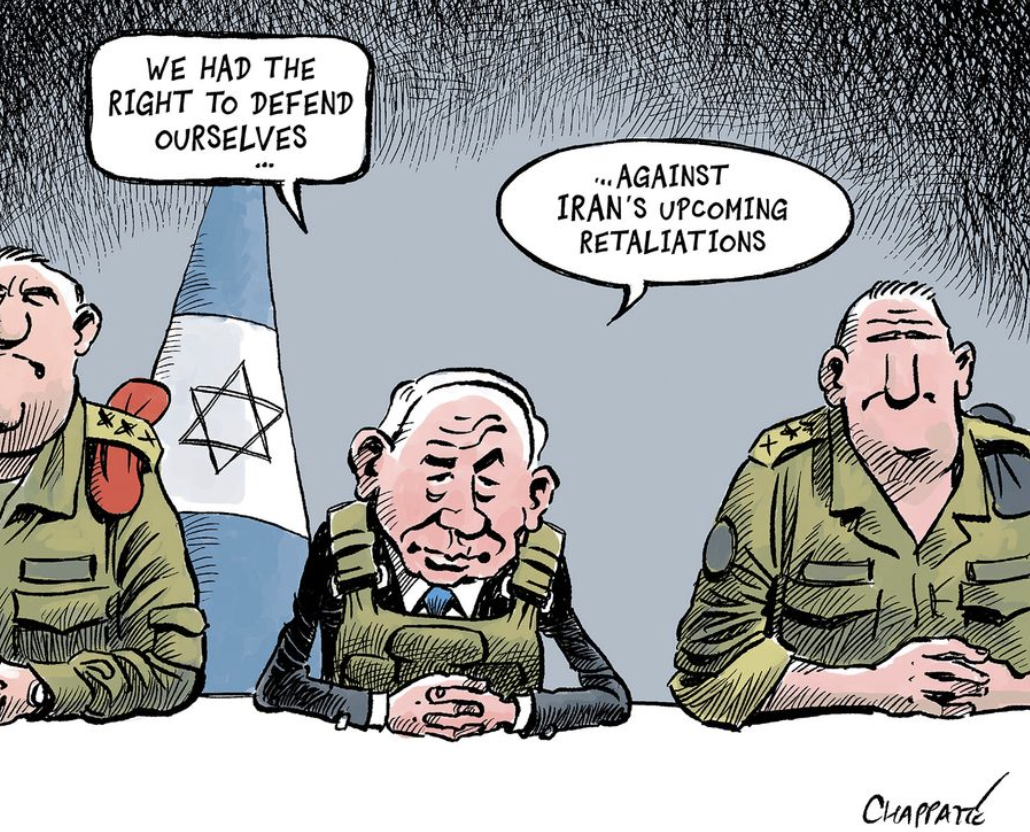
Erdoğan Launches Peace Diplomacy Amid Escalating Iran-Israel Conflict
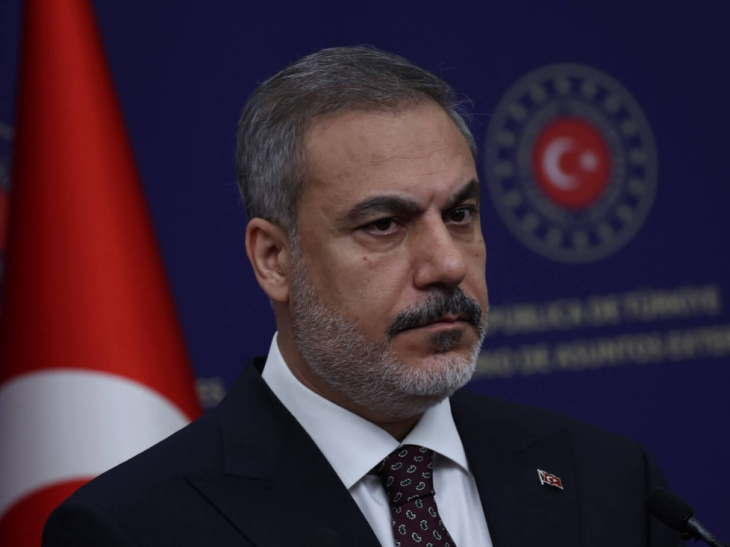
Turkish FM Hakan Fidan Meets Putin in Moscow to Advance Russia-Ukraine Peace Talks
Russia Warns Against Regime Change in Iran, Citing Global Security Risks