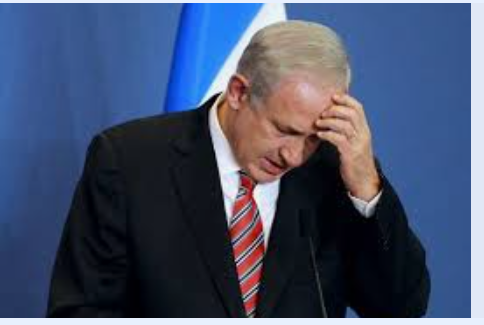
EU Commission Vice President Teresa Ribera Labels Israel’s Gaza Operations as “Genocide”
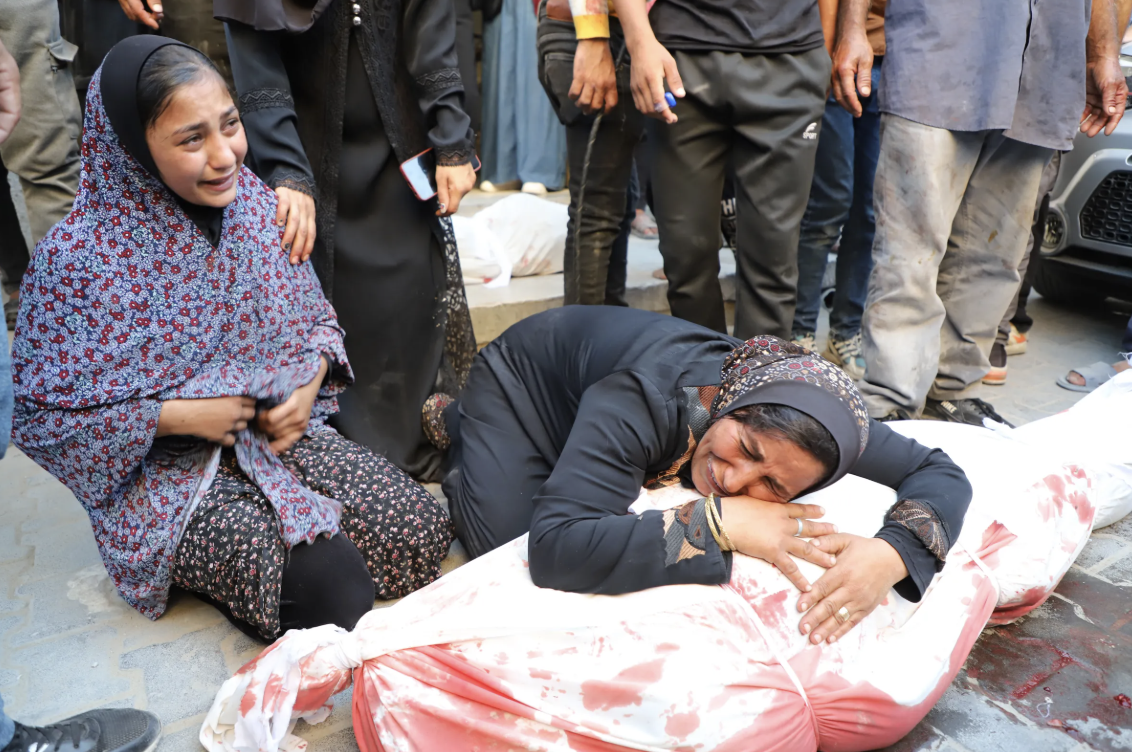 Gaza Massacre
For the first time since the start of the Gaza war, an official from the European Commission has openly accused Israel of committing genocide. Teresa Ribera, Spain’s Deputy Prime Minister and European Commission Vice President, used the term during a speech at the Paris Institute of Political Studies (Sciences Po), marking a turning point in the language used by EU leadership regarding the conflict.
Ribera declared:
“The genocide in Gaza, despite protests spreading across European cities and despite the demand of 14 United Nations Security Council members for an immediate ceasefire, exposes the bankruptcy of a Europe that cannot speak with one voice or act decisively.”
Her remarks represent the first time that a sitting European Commission member has described Israel’s actions in Gaza as genocide. Until now, most EU officials and representatives of member states have avoided using the term, opting instead for more cautious language such as “humanitarian crisis” or “war crimes.” Israel, for its part, has consistently rejected accusations of genocide.
Growing Criticism Within Europe
Ribera, who has long criticized Israel’s military operations in Gaza, had previously used strong language against the war. Yet her decision to now employ the word “genocide” underscores a hardening of rhetoric and reflects growing frustration within European political circles.
Analysts suggest this could deepen divisions inside the European Union, where member states already struggle to form a unified position on the conflict. Ribera’s statement will likely intensify pressure on other EU officials to clarify their stances as civilian casualties continue to rise.
Israel’s Ground Offensive in Gaza
Meanwhile, the war itself continues to escalate. According to Reuters correspondents in the region, Israeli forces have pushed closer to the center of Gaza City, pressing ahead with ground operations. Despite repeated evacuation calls by the Israeli military, thousands of Palestinians remain in their homes, often sheltering among the ruins of destroyed buildings.
One Gaza resident told Reuters:
“What difference does it make if we leave or stay? Tens of thousands who fled their homes were killed by Israel anyway. Why should we go through the struggle of leaving?”
Local health authorities reported that as of Thursday afternoon, 28 more Palestinians were killed in Israeli strikes, most of them in Gaza City.
A Spiraling Humanitarian Catastrophe
The humanitarian crisis in Gaza continues to deteriorate at alarming speed. Health officials stated that 370 people—including 131 children—have died of starvation since the beginning of the conflict. The figures highlight the collapse of food security in the besieged territory, where blockades and ongoing military operations have severely disrupted aid deliveries.
The situation has sparked widespread protests across Europe and beyond, as humanitarian organizations warn that conditions are approaching famine-like levels.
Israel’s Response
The Israeli government denies allegations of genocide and insists that it is taking steps to improve humanitarian conditions in Gaza. Officials argue that aid shipments have been facilitated and that efforts are being made to ensure that supplies reach civilians.
However, critics point out that ongoing military operations and blockades continue to obstruct the flow of aid, leaving hundreds of thousands at risk of starvation and disease.
A Turning Point for Europe?
Ribera’s remarks have ignited debate not only about Israel’s actions but also about Europe’s role and credibility. By accusing the EU of “bankruptcy” for failing to act collectively, she challenged the bloc’s ability to uphold its values on human rights and international law.
Observers say her statement could mark the beginning of a broader shift in European rhetoric, as public pressure mounts for stronger action. The scale of protests across European cities underscores how deeply the Gaza war resonates with citizens, especially as images of destruction and starvation dominate global media coverage.
Conclusion: A New Phase in Political Language
The Gaza conflict has already strained international diplomacy, but Teresa Ribera’s use of the word “genocide” signals a new phase in European discourse. While the EU remains divided, her statement is likely to embolden activists and challenge policymakers to take clearer positions.
On the ground, however, the reality remains stark: Israeli forces are advancing into Gaza City, civilians are trapped between bombardments and blockades, and the humanitarian crisis is deepening. With 370 deaths from hunger already recorded, the urgency for a ceasefire and effective humanitarian intervention grows by the day.
Whether Ribera’s words will lead to policy change in Brussels remains uncertain—but they have undoubtedly shifted the tone of the debate, adding new weight to accusations against Israel and exposing Europe’s fractured response.
Related articles
Turkish Activist Released After Gaza-Bound Aid Ship Intercepted by Israel
Israel Approves “Full Occupation” Plan for Gaza Despite Military Concerns
Gaza Genocide Continues: 20,000 Children and 12,500 Women Killed