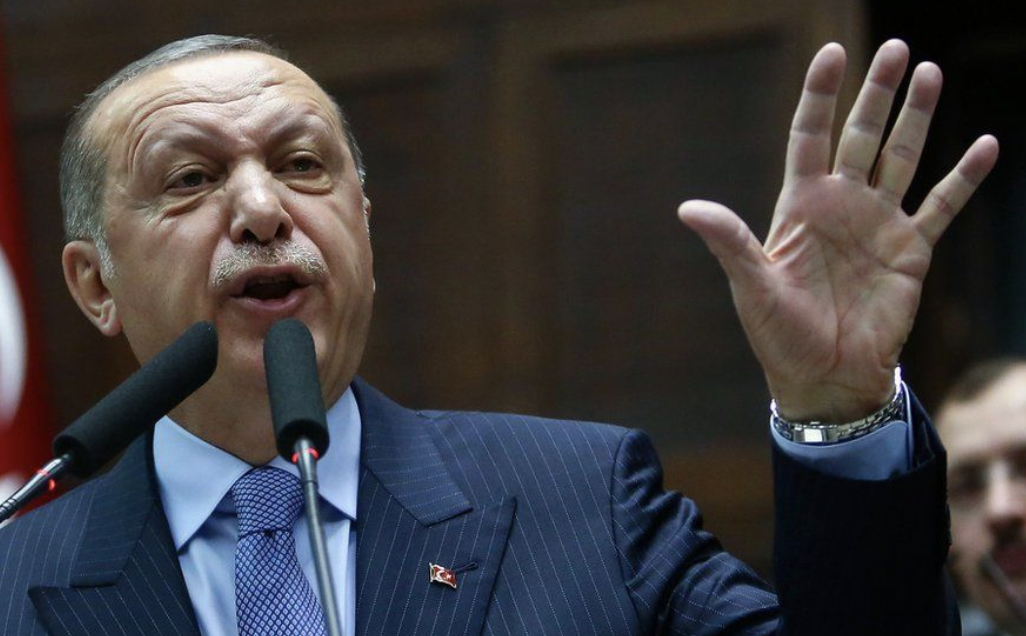
Ekrem İmamoğlu Denounces “Escobar Order” After Bayrampaşa Mayor’s Arrest
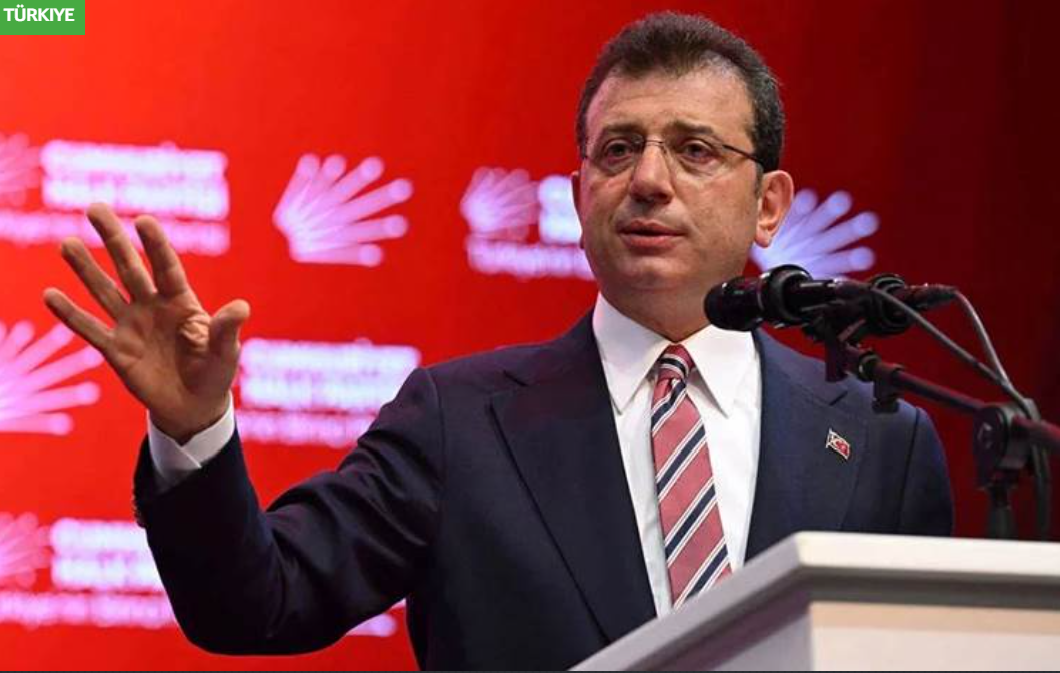 Ekrem İmamoğlu
Istanbul Metropolitan Municipality (İBB) Mayor Ekrem İmamoğlu, currently held at Marmara Prison in Silivri since March 23, has issued a sharp rebuke following the arrest of Bayrampaşa Mayor Hasan Mutlu and several municipal council members. In a strongly worded statement, İmamoğlu accused authorities of establishing what he called an “Escobar düzeni” (Escobar order)—a system of intimidation and unlawful takeovers targeting opposition municipalities.
Arrests in Bayrampaşa Spark Political Shockwaves
The controversy stems from a corruption probe launched against Bayrampaşa Municipality. As part of the operation, Mayor Hasan Mutlu, eight municipal council members from the Republican People’s Party (CHP), and 10 others were taken into custody.
Following the arrests, four additional council members resigned. These developments caused the CHP to lose its majority in the municipal council, raising speculation that if Mutlu is formally suspended, the municipality could shift from CHP to AKP control through a by-election.
The arrests mark one of the most significant blows to CHP’s local government dominance since the March local elections and have heightened political tensions in Istanbul.
İmamoğlu’s Escobar Comparison
Reacting to the arrests from prison, İmamoğlu used stark imagery to describe what he sees as a systematic effort to undermine opposition municipalities:
“Escobar düzenini kimin kurduğu belli oldu.
Turbun büyüğünün kimin heybesinde olduğu ortaya çıktı.
Ahtapot gibi kolları her yeri saran hukuksuzluk ağını kimin kurduğu da netleşti.”
By invoking the term “Escobar düzeni,” İmamoğlu likened the system to a mafia-style network, accusing it of threatening and blackmailing elected officials into submission.
He continued:
“Belediye başkanlarını, meclis üyelerini hapisle, ölümle, iftirayla, kumpasla tehdit et, belediyelere çök düzeni tam bir Escobar düzeni işte. Bayrampaşa Belediye Başkanımız Hasan Mutlu ve çalışma arkadaşlarını da aynı düzen hapse attı. Bayrampaşalılar bu kötülüğü asla unutmaz.”
“An Octopus of Illegality”
İmamoğlu framed the arrests as part of a broader network of politically motivated legal actions:
-
He described the judiciary as an “octopus of unlawfulness” extending its influence across the country.
-
He accused authorities of threatening opposition mayors with prison, defamation, and conspiracies.
-
He claimed the ultimate aim of such tactics was to intimidate CHP-run municipalities into collapse, making way for government-backed takeovers.
His statement also contained a pointed metaphor aimed at government figures:
“Kuzuyu kurtla avlayıp, çobanla yiyip, sahibiyle ağlayan sizsiniz.”
Escalating Struggles Between Government and Opposition
The Bayrampaşa arrests come amid ongoing debates about the role of the judiciary in Turkish politics. CHP officials have consistently argued that prosecutions targeting their mayors are politically driven, designed to weaken their influence at the local level.
Observers note that such cases not only alter municipal power balances but also feed into national-level disputes between President Recep Tayyip Erdoğan’s government and the opposition. For İmamoğlu, who has long been considered a potential future presidential candidate, the stakes are especially high.
Warning of Political Backlash
In his closing remarks, İmamoğlu warned that such tactics would not be forgotten by voters:
“Bu tehdit, şantaj ve kumpas düzeninin sonu yaklaşıyor.”
He stressed that residents of Bayrampaşa would hold those responsible to account:
“Bayrampaşalılar bu kötülüğü asla unutmaz.”
His words echoed earlier remarks made during his detention, where he framed his imprisonment as part of a larger struggle over democracy and public will in Turkey.
Wider Implications
The fallout from Bayrampaşa highlights the fragility of municipal governance in Turkey, where shifts in council composition and judicial decisions can rapidly alter local power dynamics.
Analysts suggest that CHP faces a dual challenge: defending its elected mayors against what it views as politically motivated cases, while also maintaining public trust amid ongoing corruption allegations.
For İmamoğlu, the episode provides another platform to cast himself as a defender of local democracy and opposition integrity, even while behind bars. His choice of words—likening the current system to a criminal cartel—underscores the depth of polarization in Turkish politics.
Related articles
Fresh Wave of Arrests Target Istanbul-Affiliated Municipalities in Widening Political Probe
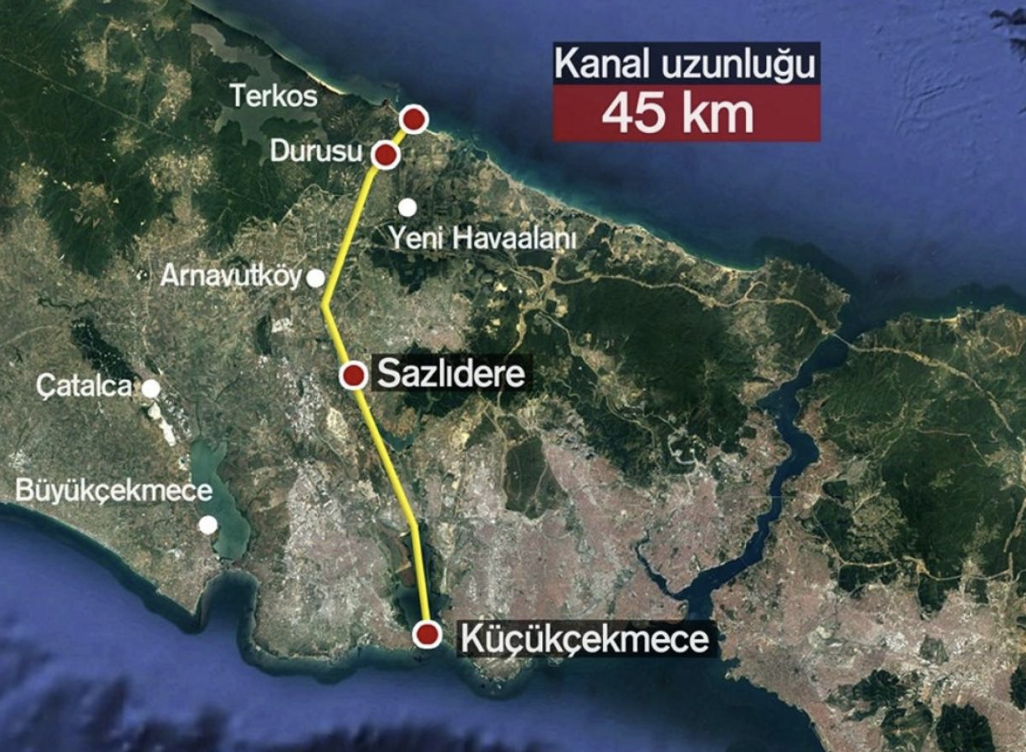
Istanbul in Limbo: Arrests Stall Earthquake Prep as Kanal Istanbul Moves Forward
Rasim Ozan Kütahyalı Detained Over Allegations of Spreading False Information on CHP