EIU Middle East Outlook 2026: Trump’s Gaza Peace Plan Enters First Phase, Gulf Economies Power Ahead
 orta dogu
The Economist Intelligence Unit (EIU) says President Donald Trump’s peace roadmap between Israel and Hamas has officially entered its first stage following the Cairo Agreement. While politically sensitive issues are postponed, the step-by-step structure allows both sides to remain engaged. Meanwhile, Gulf economies are projected to stay insulated from regional turmoil, continue diversification programs, expand oil production gradually, and strengthen their economic pivot toward Asia.
Trump’s Gaza peace plan begins: ceasefire, hostage exchange, humanitarian aid
According to the Economist Intelligence Unit’s 2026 Middle East outlook, U.S. President Donald Trump’s peace initiative — designed to end more than two years of conflict between Israel and Hamas — has moved into implementation.
The Cairo Agreement, signed on October 8–9, operationalizes the first phase of Trump’s 20-point plan:
-
Immediate ceasefire
-
Exchange of hostages and prisoners
-
Resumption of humanitarian aid deliveries into Gaza
EIU notes that the deal deliberately postpones the most politically explosive provisions:
-
Hamas’s complete disarmament and withdrawal from Gaza
-
Israel’s deeper troop pullback and governance concessions
By deferring these items, negotiators created a template that both sides can accept in the short term, avoiding early collapse of talks.
“The phased structure allows the parties to maintain engagement without forcing decisions that neither side is yet ready to take.” — EIU assessment
Gulf economies insulated from regional instability
EIU forecasts that the economies of the Gulf Cooperation Council (GCC) — Saudi Arabia, United Arab Emirates, Qatar, Kuwait, Bahrain, Oman — will remain largely shielded from regional geopolitical volatility.
Key drivers:
-
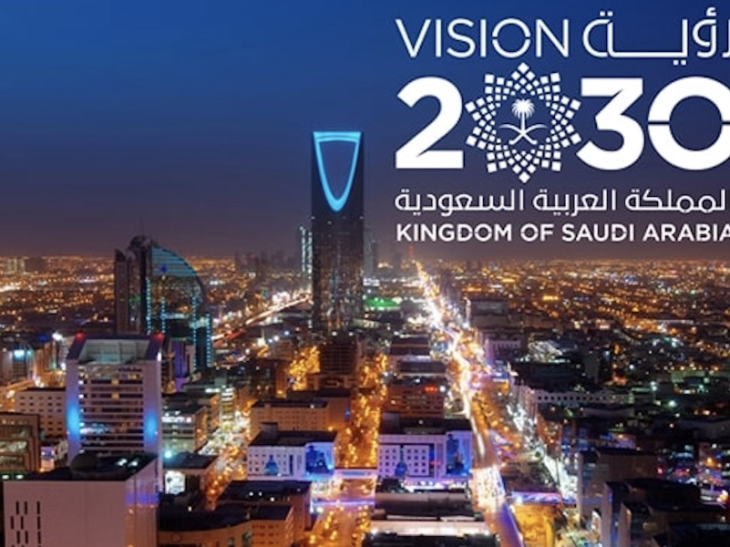
Economic diversification programs (Vision 2030 in Saudi Arabia, UAE’s industrial and logistics expansion).
-
Strong sovereign wealth funds, providing financial buffers.
-
High foreign direct investment inflows, especially in technology, logistics, renewable energy, and tourism.
“The Gulf’s economic transformation will continue regardless of regional conflict dynamics.” — EIU
These economies now operate independently of oil price shocks and regional conflicts, a significant departure from past cycles.
Oil output to rise gradually — low prices but stable revenues
EIU expects Gulf oil producers to increase output slowly over the forecast period, allowing them to:
-
Meet steady global demand
-
Avoid flooding the market
-
Prevent another oil price spike that could hurt consuming economies
A gradual supply increase will likely keep oil prices soft, but EIU stresses that Gulf states have diversified enough that:
-
Fiscal stability no longer depends solely on oil,
-
Non-oil sectors continue driving GDP.
In other words, cheap oil no longer equals economic crisis for the Gulf.
Regional GDP growth strengthens from 2026 to 2030
The report forecasts a steady acceleration of real GDP growth across the Middle East from 2026 onward, with several dynamics working simultaneously:
-
Countries pegged to the U.S. dollar benefit from Federal Reserve rate cuts — stimulating private consumption and investment.
-
Tourism surges in both oil and non-oil economies not directly affected by nearby conflicts.
-
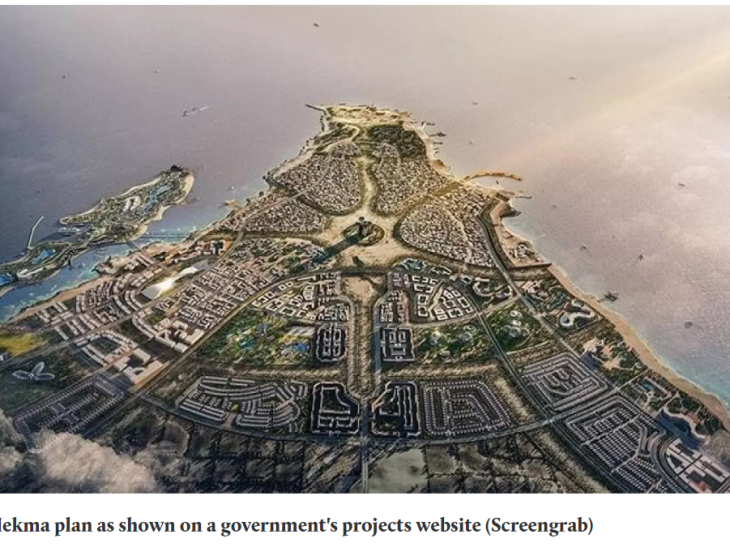
Mega-investment projects (Expo, new cities, logistics hubs) attract long-term capital.
Among the winners:
-
Saudi Arabia & UAE — tourism and large-scale investment
-
Qatar — post–World Cup infrastructure leverage
-
Oman & Bahrain — manufacturing and logistics corridors
This marks the first period in decades where non-oil growth outpaces oil-driven growth.
Strategic pivot to Asia accelerates
A core long-term trend highlighted by EIU:
Middle Eastern states — excluding Israel — are deepening economic and political ties with Asia, not Europe.
Examples:
-
Saudi Arabia – China → technology & green energy investments
-
UAE – India → finance, trade corridors, industrial zones
-
Iran – China → sanctions-resistant trade and energy cooperation
The Gulf is aligning itself with Asia’s economic gravity, building new logistics routes, financial partnerships, and technology exchanges.
For Europe and the U.S., this shift represents a strategic loss of influence in a region traditionally under Western security umbrellas.
EIU puts it bluntly:
“The Middle East’s economic future will be built through deeper ties with Asia.”
Bottom line
EIU’s 2026 Middle East outlook delivers two strong messages:
-
Trump’s phased Gaza peace plan is underway, balancing political risk with incremental progress.
-
Gulf economies are entering a period of accelerated growth, driven not by oil, but by diversification, tourism, and Asian partnerships.
Despite regional instability, the Gulf remains one of the most attractive destinations for global capital in the next decade.
PA Turkey intends to inform Turkey watchers with diverse views and opinions. Articles on our website may not represent the view of our editorial board or imply endorsement.
Follow our English-language YouTube channel @ REAL TURKEY and Twitter @AtillaEng. Facebook: Real Turkey Channel.