Columnist Deniz Zeyrek: What is next in the Peace Process (with Kurds)?
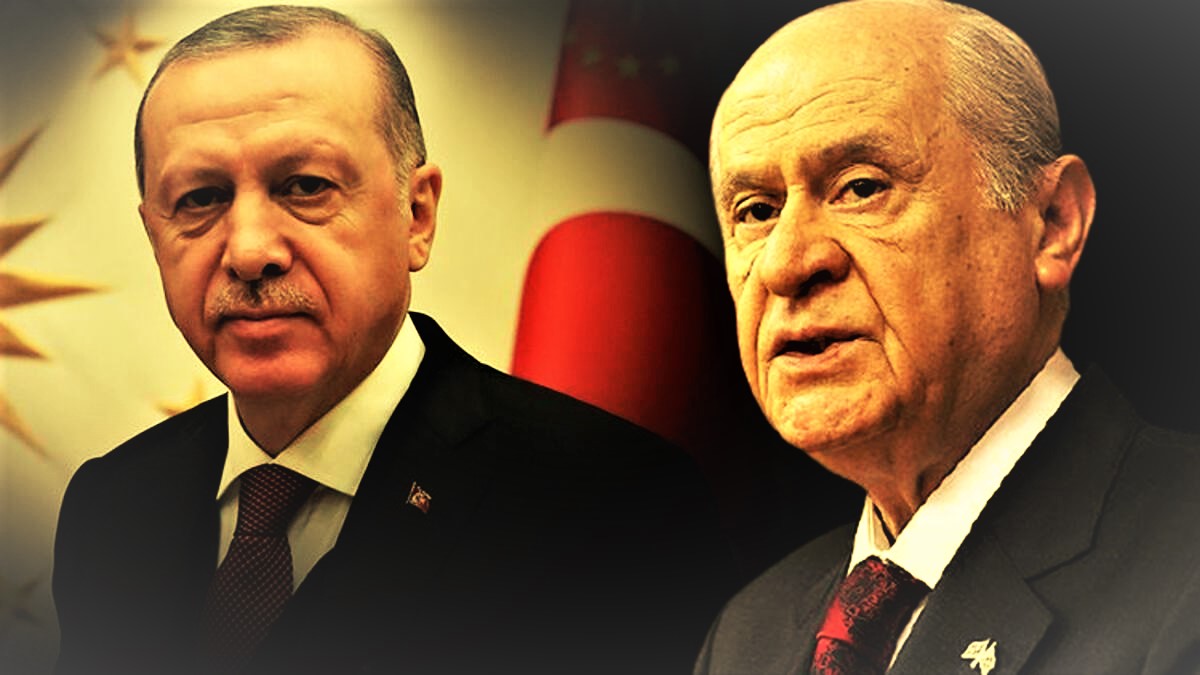 Bahçeli_Erdogan
While some observers saw Öcalan’s previous message as an admission of defeat, the PKK’s congress statement paints a different picture. It frames the decision as the completion of a “historic mission,” asserting that the PKK’s existence helped highlight the Kurdish identity and initiated the democratic path to a solution. The statement references the Treaty of Lausanne and the 1924 Constitution, arguing that these frameworks marginalized Kurds.
The two most significant excerpts from the PKK’s declaration are:
-
The Delegation of Authority to Öcalan: The congress disbanded the organization and ended armed struggle, transferring full execution authority to Öcalan. He will now manage the implementation of this transition.
-
Call for Legal Assurance from Parliament: The statement emphasizes the need for Öcalan’s leadership in the process and calls on the Turkish Grand National Assembly (TBMM) to ensure legal safeguards for the transition to democratic politics.
What Happens Next?
Based on these critical details, the post-disbandment process is likely to unfold as follows:
1. Direct Dialogue with Öcalan Begins
All negotiations related to the PKK’s dissolution will now take place directly with Abdullah Öcalan. The DEM Party is expected to push for improved conditions for Öcalan in İmralı and the resumption of his communication with the outside world. During the 2015 resolution process, a private cell with a garden was planned for Öcalan—this may return to the agenda.
Moreover, certain PKK members currently in prison may be transferred to İmralı to act as his secretariat. Öcalan is expected to supervise the details of the disarmament process, including the locations of weapon surrender, safe exit of militants, and potential third-country relocations for commanders.
2. Legislative Action in Parliament
A series of legal reforms are expected in Parliament, beginning with changes to Öcalan’s imprisonment conditions. The TBMM will also be tasked with:
-
Legal proceedings for surrendering militants
-
Amnesty or sentence reductions for jailed PKK members
-
A revision of the Anti-Terror Law
-
Release of political prisoners
-
Restoration of DEM Party municipalities from state-appointed trustees
A Reversal of the Old Approach
Unlike the 2012–2015 peace process, where legal guarantees were sought first and disarmament later, this time the PKK has disbanded upfront, and legal and political solutions are expected to follow. That’s why this marks the beginning of the real work.
Government officials like Foreign Minister Hakan Fidan, AKP Deputy Chairman Efkan Ala, and Communications Director Fahrettin Altun have so far refrained from celebratory rhetoric. The government appears cautious, aware that many sensitive steps—acceptable to both Turkish public opinion and Öcalan—must now be carefully navigated.
In conclusion, while May 12 may prove historic in Turkey’s fight against terrorism, turning this moment into lasting peace will be far more complex than the declaration itself. The road ahead is filled with political, legal, and societal challenges. We may hope for peace, but it won’t come easily.
IMPORTANT DISCLOSURE: PA Turkey intends to inform Turkey watchers with diverse views and opinions. Articles in our website may not necessarily represent the view of our editorial board or count as endorsement.
Follow our English language YouTube videos @ REAL TURKEY: https://www.youtube.com/channel/UCKpFJB4GFiNkhmpVZQ_d9Rg
And content at Twitter: @AtillaEng
Facebook: Real Turkey Channel: https://www.facebook.com/realturkeychannel/
Related articles

New polls show CHP widening lead, as Erdogan falls farther back

COMMENTARY: Turkey at a Historic Crossroads: Democracy or Authoritarianism?
🚨 Shockwaves in the AKP-MHP Alliance: Bahçeli Endorses Demirtaş Release and Imrali Talks